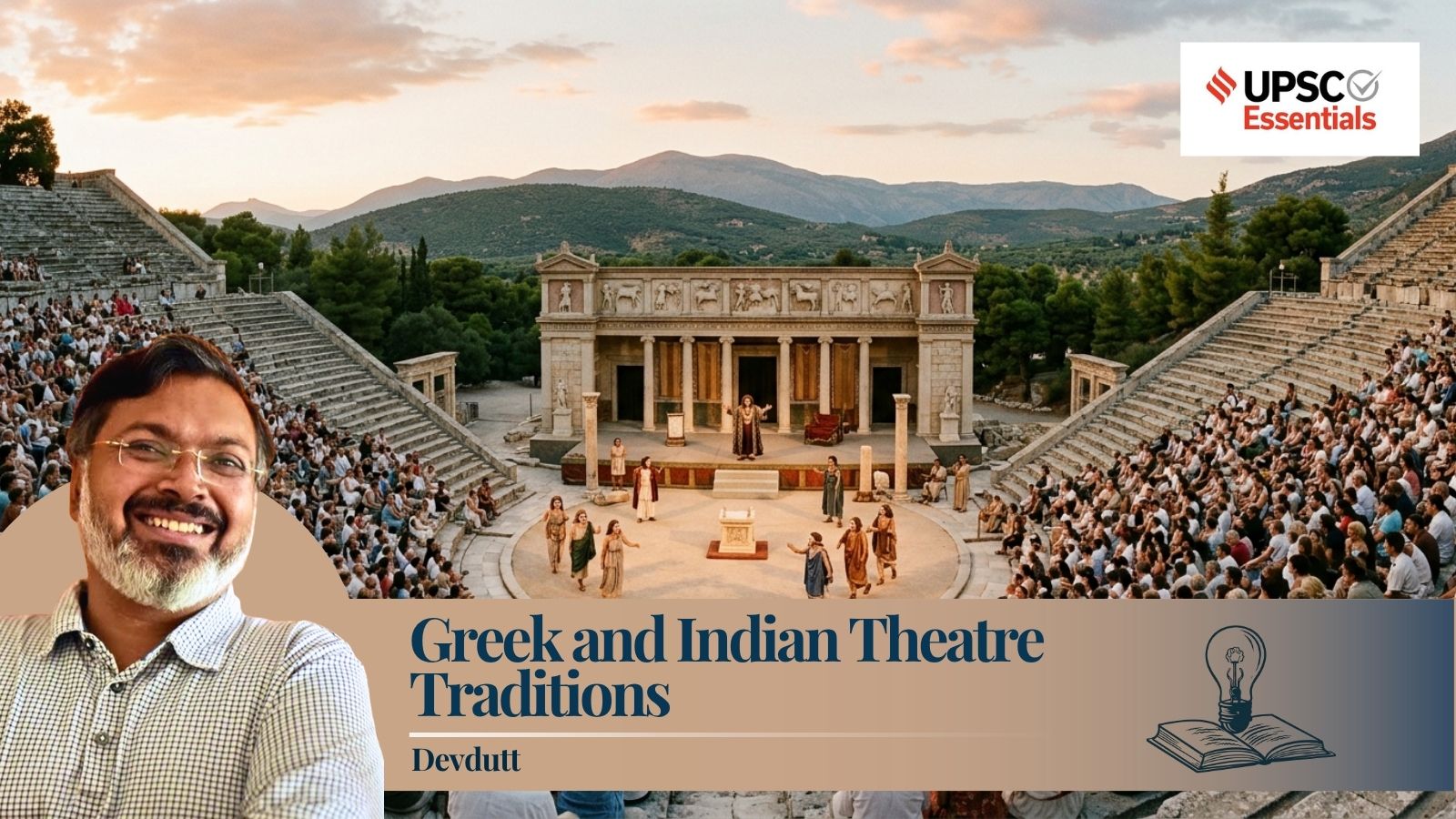
Greek Theatre Meets Indian Rasa: Yavanika Bridges Ancient Worlds
The history of theatre is often told through the traditions of ancient Greece and India, which developed sophisticated storytelling techniques. After Alexander the Great's campaigns in the fourth century BCE, Greeks arrived in northwestern India, leading to cultural exchanges. Key examples include the stage curtain, known as Yavanika in Sanskrit theatre, derived from "Yavana," an Indian term for Greeks. Gandharan art also shows Greek and Indian fusion styles. Despite contacts, their goals differed: Greek theatre aimed for catharsis through tragedy, while Indian theatre sought rasa or aesthetic delight.
To respect publishing rights, SatyaDheesh does not host full copyrighted news copy. You can read the complete article on the publisher's platform: