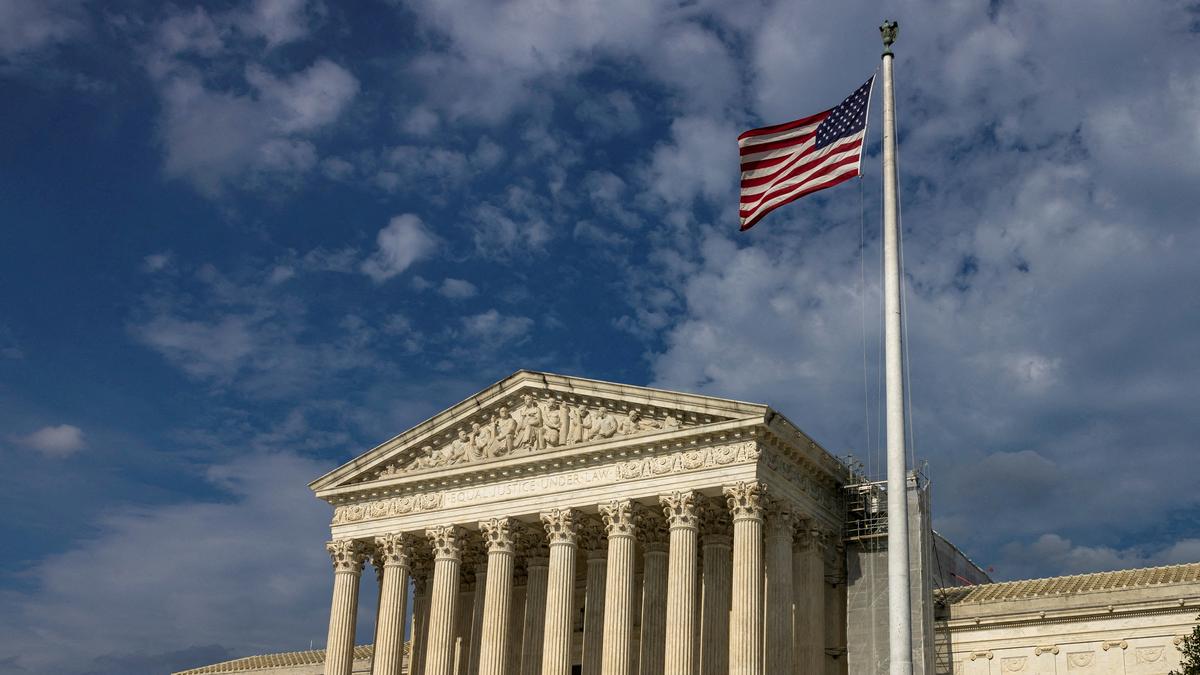
Comparing separation of powers jurisprudence between India and U.S. based on recent SCOTUS ruling
The Supreme Court of the United States ruled that President Donald Trump overstepped his authority by unilaterally imposing tariffs using the International Emergency Economic Powers Act (IEEPA) during peacetime. The court, citing Article I, Section 8 of the Constitution, determined that Congress holds exclusive power to levy taxes and duties, including tariffs. The ruling rejected the government's interpretation of IEEPA as authorizing unlimited tariff imposition and emphasized the importance of specific delegation of powers within statutes. Justices Kagan, Sotomayor, and Jackson joined in this decision, highlighting the court's adherence to ordinary statutory interpretation.
27 FEB 2026
— The Guardian
Despite President Trump's claims, inflation remains a significant concern for consumers, with tariffs implemented by his administration contributing to increased costs for goods and services.
— South China Morning Post
Analysts debate the impact of Trump's tariff setback on Chinese imports, with some predicting a surge and others suggesting stockpiling.
2 MAR 2026
— South China Morning Post
The USTR presented Donald Trump's 2026 Trade Policy Agenda to Congress, outlining a new approach to US-China trade relations focused on "managed" interactions.
To respect publishing rights, SatyaDheesh does not host full copyrighted news copy. You can read the complete article on the publisher's platform: