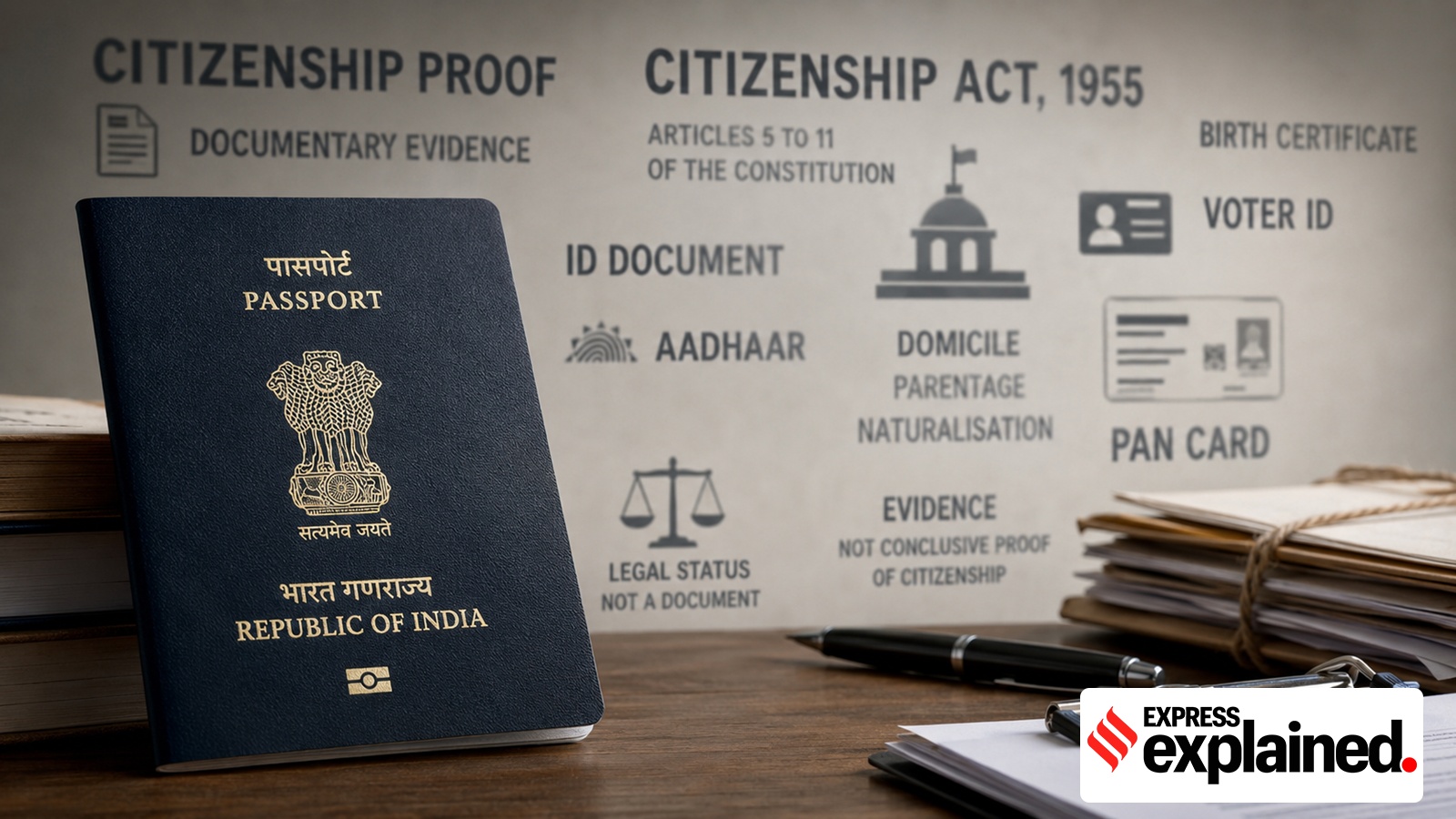
Passport Not Proof of Citizenship? What Proves Indian Citizenship, MEA Clarification, Constitution, Citizenship Act Explained
The controversy surrounding the use of passports as proof of citizenship in India stems from a legal distinction between passport issuance and citizenship status. MEA clarified that while a passport is issued only to Indian citizens, it does not serve as conclusive proof of citizenship, which is determined by factors like birth, parentage, domicile, or naturalization, as outlined in the Citizenship Act, 1955. The courts have acknowledged this distinction, stating that passports are evidence but not definitive proof of citizenship. The debate highlights India's lack of a universal citizenship document, unlike many other democracies, which rely on certificates for confirmation. Former foreign secretary Nirupama Menon Rao argues that the current system needs stronger civil registration and archival records to ensure citizenship is not dependent on inconsistent paperwork.
25 JUN 2026
— NDTV
The Election Commission clarified that Indian passports remain a valid supporting document for voter registration during the ongoing special intensive revision process.
26 JUN 2026
— NDTV
Shashi Tharoor, a Congress MP, challenged the Ministry of External Affairs' statement that an Indian passport is not conclusive proof of citizenship.
27 JUN 2026
— NDTV
A Ministry of External Affairs official's clarification regarding the purpose of an Indian passport has sparked controversy and debate about its role as proof of citizenship.
To respect publishing rights, SatyaDheesh does not host full copyrighted news copy. You can read the complete article on the publisher's platform: