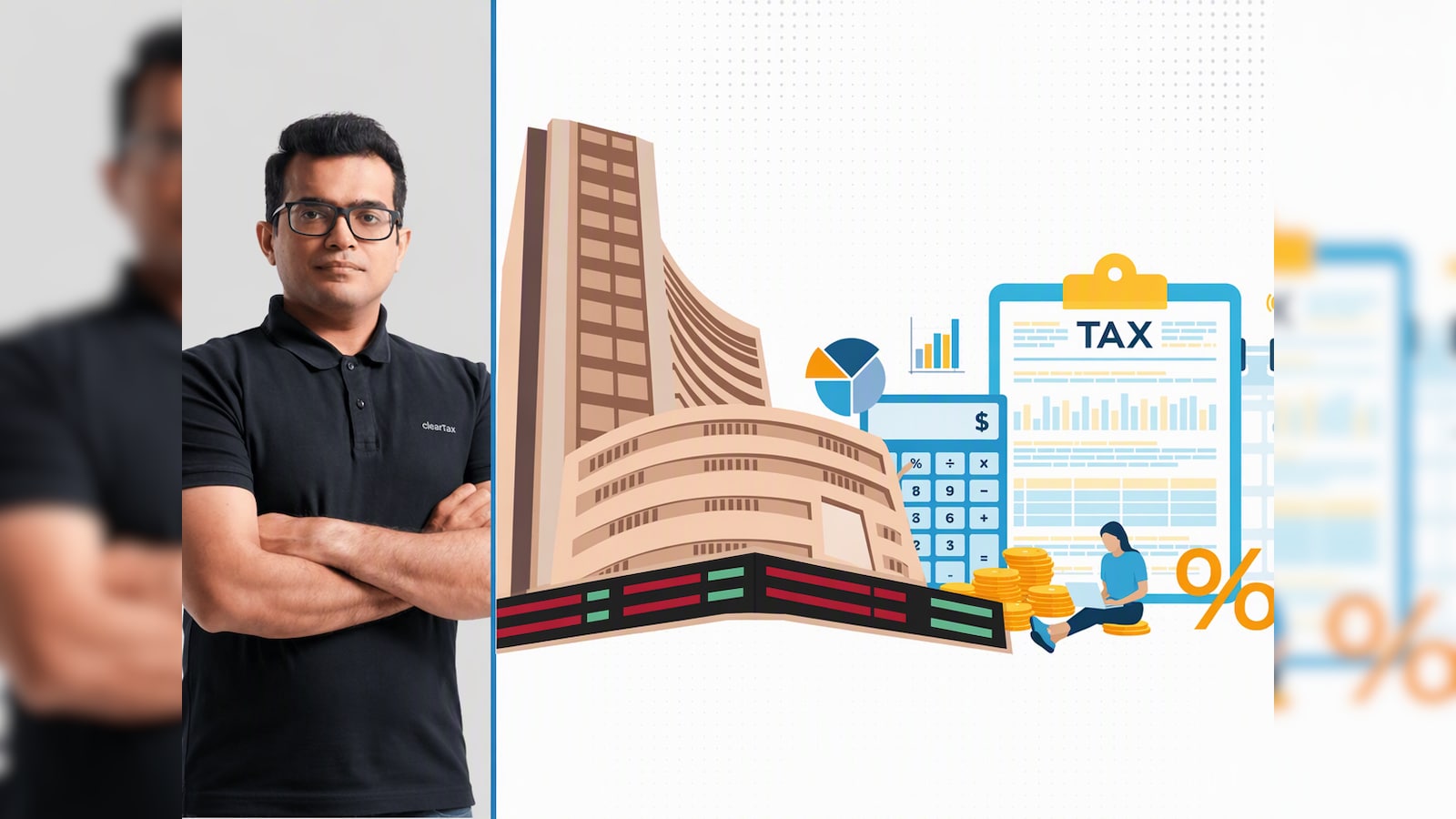
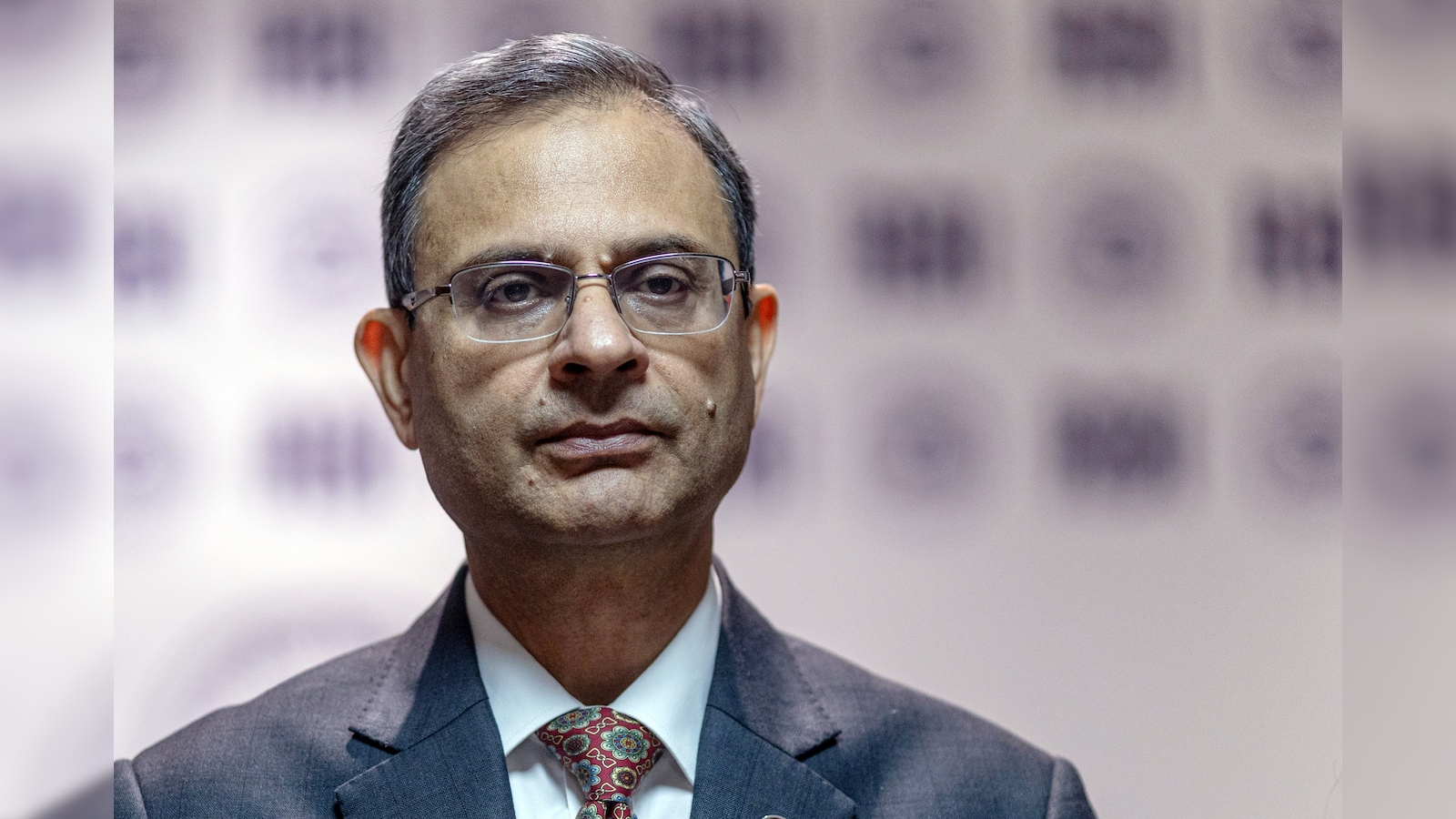
Justice Sandeep Jain, a sitting judge of the Allahabad High Court, challenged the denial of statutory allowances exemption under the new tax regime, claiming Rs 9.85 lakh was not permitted on his ITR-2 for 2025-26. A two-judge bench fixed July 28 as the next hearing date after asking the state government to apprise the court. The CBDT and Finance Minister cited existing tax benefits under the new regime as reason for denial, stating it would amount to double benefit.

On Saturday, the Andhra Pradesh Congress Committee (APCC) accused Nirmala Sitharaman, Union Finance Minister, of repeating false claims made earlier in Parliament during a public meeting at Narsaraopet. At Andhra Ratna Bhavan, APCC leaders questioned her claims about bank loans and criticized the BJP-led government for failing to address unemployment and corruption issues, demanding transparency on loan disbursements and recovery of economic offenders' funds.
Nirmala Sitharaman, Union Finance Minister, and Chief Minister N. Chandrababu Naidu distributed ₹3,216 crore in loans to 1,03,246 beneficiaries in Palnadu district on Friday as part of a Mega Credit Outreach Program aimed at expanding institutional credit access for small businesses without collateral requirements. The program aims to reduce reliance on private money lenders and microfinance institutions by making bank loans more accessible. Similar programs will be conducted in six additional districts soon.

Bank of Baroda raised $273 million, followed by Canara Bank and Punjab National Bank (PNB) with $80 million each in foreign-currency resources until last Friday. Finance Minister Nirmala Sitharaman asked PSU banks to engage more with the Indian diaspora. Total mobilization was below $3 billion, but inflows have since accelerated after some lenders launched leveraged schemes. SBI raised about $1.9 billion through bond issuances and FCNR(B) deposits swapped with the RBI. Private-sector lenders HDFC Bank and Axis Bank raised $750 million and $800 million respectively via bond issuances.
Nuclear Power Corporation of India Limited (NPCIL) clarified on July 16, 2026, that a data breach at the Kudankulam Nuclear Power Plant did not affect nuclear safety or security systems; it involved only conventional Balance of Plant facilities. Meanwhile, the Union Cabinet approved Rs 1.27 lakh crore for ISM 2.0, focusing on subsidizing semiconductor supply chains to attract companies producing gases and chemicals used in chip manufacturing.

The Union Cabinet on Wednesday approved India’s second iteration of the Semiconductor Mission (ISM 2.0) with an outlay of Rs 1.27 lakh crore, focusing on subsidizing chip manufacturing supply chains and offering research subsidies over six years. ISM 2.0 aims to deepen domestic value addition in electronics by enabling India to design and manufacture chips for nearly 70-75% of domestic applications by 2029 and become a top semiconductor nation globally by 2035.
India, importing nearly 85% of its crude oil from West Asia and facing energy security risks due to regional instability, has pushed initiatives like Sustainable Alternative Towards Affordable Transportation (SATAT) and GOBARdhan to promote compressed biogas (CBG). Despite ambitious targets, progress remains limited due to infrastructure gaps and high costs. The government aims to blend CBG into gas supplies but faces challenges similar to those in maize cultivation, which could affect crop diversity and food security.
Nirmala Sitharaman, Union Finance Minister, urged enterprises to focus on maximizing innovation and competitiveness in the next decade, moving beyond simply hosting Global Capability Centres (GCCs). She emphasized that ecosystems, not just incentives, determine long-term competitiveness. Sitharaman called for industry leaders to deepen partnerships with universities, start-ups, and research institutions to ensure seamless innovation from labs to markets. She also encouraged expansion into Tier-2 and Tier-3 cities, recognizing their growing talent and infrastructure potential. Confederation of Indian Industry (CII) organized the GCC summit where Sitharaman highlighted the need for a geographically diverse GCC growth strategy.

Narasaraopet MP Lavu Sri Krishna Devarayalu announced a mega credit outreach program in Narasaraopet on July 17th, attended by Union Finance Minister Nirmala Sitharaman and Chief Minister N. Chandrababu Naidu. The event aims to facilitate the disbursement of nearly ₹2,000 crore under 20 Central government schemes for economically weaker sections, farmers, small traders, and aspiring entrepreneurs. The program is expected to benefit around 3,000 beneficiaries from Palnadu district and will promote cluster-based women’s groups and expand the PM Surya Ghar program through village clusters. Additionally, eligible tribal landholders in Andhra Pradesh can now access bank loans against their agricultural lands for the first time.

The Environment Ministry and Rajasthan Forest Department marked the 18th anniversary of tiger reintroductions at the Sariska Tiger Reserve. India's tiger population has increased steadily, but there are challenges in managing their dispersal due to habitat loss and prey scarcity. The government is focusing on consolidating "source populations" and prioritizing interventions in 25 tiger reserves where tigers are scarce. The ban on 16 fixed-dose combination drugs highlights the need for evidence-based medicine and the risks of irrational drug combinations. Europe is experiencing more frequent and intense heatwaves, linked to climate change, with potential consequences for agriculture, public health, infrastructure, and productivity.

Ajay Seth, chief of the Insurance Regulatory and Development Authority of India (IRDAI), reported a surge in foreign interest in the Indian insurance sector since the government raised the FDI cap to 100%. The regulator has already approved two applications for significant stakes in general insurance companies and received an application for a life insurance entity. Seth also highlighted that the growth of the general insurance sector has outpaced that of the life insurance sector, with potential for similar growth if demand is met. He anticipates the initial products under the Bima Sugam initiative to be launched by September.

Canara Bank handed over a dividend cheque of ₹2,397 crore to Union Finance Minister Nirmala Sitharaman for the 2025-2026 financial year. The bank declared a dividend of ₹4.2 per share and reported a record net profit of ₹19,187 crore in 2025-26, marking a 12.69% increase from the previous year. Canara Bank's newly appointed MD and CEO, Brajesh Kumar Singh, presented the cheque to Sitharaman.

The Finance Minister Nirmala Sitharaman announced the government's plan to restructure PFC and REC, merging them into a single entity. The merger scheme requires approvals from shareholders, stock exchanges, market regulator Sebi, the National Company Law Tribunal (NCLT), and other statutory authorities. The share swap ratio is 88 PFC shares for every 100 REC shares held, meaning that REC shareholders will receive PFC shares based on this ratio after the merger takes effect. The merged entity aims to strengthen the balance sheet, improve borrowing capacity, and serve as the primary vehicle for implementing government schemes in the power sector.
Pankaj Chaudhary, the UP BJP chief and MoS Finance, visited the family of socialist ideologue late Ram Manohar Lohia in Lucknow as part of the BJP's drive to meet intellectuals and prominent citizens marking 12 years of the Narendra Modi government. The visit was described by a senior BJP leader as a courtesy meeting, but the party briefed the family on key welfare programs. Meanwhile, Nirmala Sitharaman, the Finance Minister, has reportedly developed a more cordial relationship with Tamil Nadu's Chief Minister Vijay after past disagreements.

Finance Minister Nirmala Sitharaman announced the Delhi-Varanasi bullet train project in the Union Budget 2026-27, aiming to significantly reduce travel time between Jewar and Lucknow. Railway Minister Ashwini Vaishnaw stated that the journey from Delhi to Lucknow will take only 2 hours and 10 minutes once operational. The project is expected to be a game-changer for Uttar Pradesh's transport and development map. The National High-Speed Rail Corporation Limited (NHSRCL) has been tasked with revising Detailed Project Reports (DPRs) for seven high-speed rail corridors, including the Delhi-Varanasi project.

Nirmala Sitharaman, India's Finance Minister, urged state governments to prioritize long-term capital expenditure over revenue expenditure when borrowing funds. She emphasized that borrowed money should be used to create assets and improve education, industries, or employment opportunities. Sitharaman also highlighted the historical significance of Kancheepuram as a center for education and praised the efforts of the Conjeevaram Hindu Educational Society and SSKV Group in promoting women's education.
Upasana Konidela, wife of actor Ram Charan, recently used social media to advocate for financial literacy, drawing a parallel between the Hindu goddess Lakshmi and Nirmala Sitharaman, India's Finance Minister. Konidela urged followers to view themselves as "Chief Financial Officers" of their own lives, highlighting the importance of personal financial management. This message aligns with Konidela's public advocacy for wellness, self-sufficiency, and women empowerment.

The Indian government is preparing to finalize and notify the demarcation of Ecologically Sensitive Areas (ESAs) in the Western Ghats, covering over 56,000 square kilometers. The decision follows years of negotiations with states like Kerala and Karnataka, which have been holding out on agreeing to the boundaries. The ESAs are intended to protect the region's fragile ecosystem from developmental activities such as mining, tourism, and infrastructure projects. The Archaeological Survey of India (ASI) is conducting DNA tests and facial reconstructions on skeletal remains found at Rakhigarhi, a Harappan civilization site in Haryana. The findings could provide insights into the lives and culture of people who lived there 5,000 years ago. The Anthropological Survey of India (AnSI) is also involved in research to understand the cultural practices and social structures of the ancient civilization.

The Archaeological Survey of India (ASI) has sent nearly 5,000-year-old skeletons unearthed at Haryana's Rakhigarhi site for scientific examination and facial reconstruction. Four skeletons were sent to the Anthropological Survey of India (AnSI) in Kolkata, while DNA samples from one skeleton have been forwarded to the Birbal Sahni Institute of Palaeosciences (BSIP), Lucknow. The research aims to determine the cause of death, ancestry, height, physical features, and social status of the individuals. The excavation also yielded an unprecedented number of burial offerings, indicating the importance of the deceased in their community.

Nirmala Sitharaman, Union Finance Minister, inaugurated the largest organic spice-processing facility in Meghalaya's Ri-Bhoi district, emphasizing the Northeast's potential for growth through quality-driven agriculture. She stressed that consumers worldwide are seeking cleaner and premium agricultural products, creating opportunities for regions like Meghalaya to thrive. Conrad K Sangma, Meghalaya Chief Minister, highlighted the state's success in exporting high-quality organic products such as Lakadong turmeric, ginger, and black pepper. The facility is expected to improve processing capabilities, market access, and rural livelihoods.

Indian equity benchmarks opened higher on Monday, boosted by a US-Iran peace deal that eased geopolitical tensions and lowered oil prices. The rupee strengthened against the US dollar, while the Nifty and Sensex rose significantly. Crypto markets also saw a relief rally as risk sentiment improved.

Nirmala Sitharaman, India's Union Finance Minister, visited the ongoing construction of the Bengaluru–Chennai Expressway in Devanahalli as part of her 'Pragati Path Yatre Darshan' program. She reviewed progress on road construction, traffic management, and infrastructure development for the project, which aims to provide high-speed connectivity between Bengaluru and Chennai. The expressway is being developed under the Bharatmala Pariyojana Phase-I scheme and is expected to improve access to industrial and logistics hubs.

Nirmala Sitharaman, India's Finance Minister, attributed fluctuations in the rupee to a combination of global and domestic factors, including geopolitical uncertainties, foreign capital movements, and India's reliance on imports. She emphasized that the Reserve Bank of India intervenes only to curb excessive volatility, not maintain a fixed exchange rate. Ms. Sitharaman also criticized Rahul Gandhi, accusing him of consistently undermining India's achievements while criticizing Prime Minister Modi and the government.

Nirmala Sitharaman, India's Finance Minister, criticized Rahul Gandhi, the Congress leader, for his claims of impending crises in India. She refuted these assertions, stating that India is experiencing strong economic growth and has successfully navigated challenges like the West Asia conflict. Sitharaman emphasized that India's achievements are recognized by both the government and international organizations such as the IMF.

The Narendra Modi government has undertaken a significant effort to dismantle symbols and practices associated with British colonial rule over the past twelve years. This includes renaming landmarks like Rajpath to Kartavya Path, incorporating Indian motifs in new buildings like the Parliament building, and replacing outdated laws with new ones. The government has also renamed three islands in the Andaman and Nicobar chain and changed several other aspects of public life, including street names, office titles, and even the budget presentation date. These changes reflect a broader effort to reclaim India's identity and culture.

China and North Korea have a close strategic partnership, with China providing economic and diplomatic support to North Korea despite international sanctions. The relationship is rooted in geopolitical circumstances following World War II, when the two nations emerged as superpowers seeking control of the region. Tensions between Israel and Iran escalated recently with airstrikes targeting military sites in both countries. This renewed conflict highlights changing deterrence dynamics in West Asia and raises questions about US commitments to Israel.

C. Joseph Vijay, Tamil Nadu's Chief Minister, will attend the 11th Governing Council meeting of NITI Aayog in New Delhi on Thursday. He is scheduled to meet with political leaders in New Delhi before participating in the council meeting alongside other state and UT chief ministers and lieutenant governors. This marks his second visit to the national capital since becoming Chief Minister.
IT Minister Nara Lokesh and Union Minister for Steel H. D. Kumaraswamy visited the Visakhapatnam Steel Plant (VSP) following a recent blast, where they announced immediate financial compensation of ₹25 lakh to families of the victims. The government is committed to securing the future of the affected families, including providing education and welfare support for their children. Mr. Lokesh also highlighted the NDA government's swift response to the incident, emphasizing continuous monitoring by senior ministers and the announcement of permanent employment for one member from each affected family. Workers expressed concern about the plant's future, particularly regarding potential privatization, while Mr. Lokesh assured them that the government is committed to safeguarding VSP.

India and Nepal have agreed to enforce a mutual legal assistance pact to tackle cross-border crimes. The visit of the Nepalese Foreign Minister to India focused on strengthening bilateral ties, including cooperation in health, technology, and remittances. The government's evaluation of the Deendayal Antyodaya Yojana-National Rural Livelihoods Mission found that many self-help groups did not use funds for income-generating activities but instead spent them on household expenses. The Indian government is considering extending Project Glasswing to more countries, including India, as part of its efforts to enhance cybersecurity capabilities.

Anthropic, an artificial intelligence company, is expanding its cybersecurity initiative, Project Glasswing, to India. The program will grant access to advanced AI model Mythos to select government agencies and research institutions, including the Indian Cyber Crime Coordination Centre (I4C), CERT-In, NCIIPC, and the Department of Telecommunications’ Digital Intelligence Platform (DIP). The move comes as part of Anthropic's plan to extend Project Glasswing beyond its initial participants in the US and UK to more than 15 countries. The Indian government is concerned about the potential impact of Mythos on India's critical infrastructure, particularly banking and power sectors.

GDP growth surprised on the upside for Q4, expanding 8% in the December quarter, exceeding expectations of 7.3%. The Reserve Bank of India revised its FY27 growth forecast downward to 6.6%, citing the impact of the ongoing war and a weaker monsoon. Finance minister Nirmala Sitharaman stated that the government is committed to maintaining economic momentum despite global challenges. ICRA chief economist Aditi Nayar noted that the economy did not experience significant impact from the conflict, while HDFC Bank principal economist Sakshi Gupta attributed the growth primarily to private investments and consumption.
The Union Cabinet, led by Prime Minister Narendra Modi, approved an ordinance amending the Income Tax Act to eliminate capital gains tax on investments made by foreign portfolio investors (FPIs) in Indian government securities. This move aims to attract more foreign capital inflows and mitigate the adverse effects of the Iran war on the economy. The decision comes after calls for tax cuts to prevent further outflows from the Indian stock markets, which have seen significant withdrawals from FPIs this year. The ordinance will be implemented after Presidential approval.

Chintan Research Foundation (CRF) and Finovista, in partnership with Manthan, an initiative of the Office of the Principal Scientific Adviser to the Government of India, hosted a Policy Dialogue on "Small Modular Reactors (SMRs) for Defence Manufacturing & Data Centre Operation" in New Delhi. The dialogue brought together policymakers, industry leaders, and experts to discuss the role of SMRs in supporting India's energy transition and strengthening critical sectors like defence manufacturing and data centres. Dr Debajit Palit, Centre Head, Centre for Climate Change and Energy Transition at Chintan Research Foundation, highlighted that SMRs can provide a low-carbon clean energy source for India while also meeting the power needs of defense manufacturing and data centers.

A malicious attack on the payment system of the Central Board of Secondary Education (CBSE)'s revaluation portal, using the HDFC payment gateway, caused erratic fee displays for approximately 50 students. The breach occurred after a period of non-functionality and authorities are investigating the issue with experts from IIT Madras and IIT Kanpur, alongside the Digital Infrastructure Corporation of India. To address the vulnerability, four public sector banks have been added as alternate payment gateways. Officials also noted infrastructure changes to improve capacity by shifting the portal to Amazon Web Services.

The Central Board of Secondary Education (CBSE) extended the deadline for students to request scanned copies of their evaluated answer books for Class 12 board exams until May 25 midnight. The extension follows complaints from students about difficulties accessing the portal. Union Education Minister Dharmendra Pradhan sought support from the Union Finance Ministry to overhaul the CBSE payment gateway system and has directed IIT-Madras and IIT-Kanpur teams to assist in resolving technical issues.
Nirmala Sitharaman, the Union Finance Minister, announced plans to restructure Power Finance Corporation (PFC) and Rural Electrification Corporation (REC) for streamlined operations. The Cabinet Committee on Economic Affairs approved a proposal where PFC acquired 52.63% of the government's holding in REC, consolidating them into a single balance sheet. Analysts suggest investors consider staggered exposure to PFC and REC as the merger process is subject to regulatory approvals and structural adjustments. While PFC offers better visibility due to its parent status, REC presents a merger-arbitrage opportunity with higher event risk depending on the swap ratio.
Sebi's chief, Pandey, emphasized the need for collaboration between regulators and market stakeholders to foster innovation and economic growth. He highlighted Sebi's evolution from an open outcry system to a technology-driven, transparent market through reforms like dematerialization and screen-based trading. Pandey stressed that Indian markets have demonstrated resilience despite global uncertainties, but also acknowledged the need for balancing innovation with investor protection and sustainable development. He emphasized recent reforms aimed at easing business, strengthening investor safeguards, and improving efficiency.
Nirmala Sitharaman, Union Finance Minister, stated that domestic consumption is driving India's economic growth and predictable policy support is crucial to maintain this momentum. She also emphasized the importance of supporting domestic manufacturing, agriculture, tourism, IT, and related services sectors for sustained growth. Sitharaman highlighted the need for banks to focus on customer interaction as they expand globally and digitally while acknowledging the impact of the West Asia crisis on asset quality. The Finance Minister urged banks to collaborate on addressing the challenges posed by AI advancements like Anthropic's Mythos model, and addressed concerns about LPG supply.

With less than seven days until the first phase of voting in West Bengal, Trinamool Congress and Bharatiya Janata Party are vying for women's votes with their respective welfare schemes. The Trinamool Congress’s Lakshmir Bhandar program has been a successful model for the party, offering ₹1,500 per month to eligible women. The BJP countered with its Matri Shakti Vandan Yojana promising ₹3,000 per month, leading to clashes between supporters of both parties. Chief Minister Mamata Banerjee criticized the BJP's tactics and accused them of collecting voter information for undue advantage. The BJP defended their actions, stating that they were simply offering a better scheme than the Trinamool’s previous program.

Nitish Kumar, the Chief Minister of Bihar, was sworn in as a member of the Rajya Sabha on Friday. The ceremony was presided over by C.P. Radhakrishnan, the Rajya Sabha chairman, and witnessed by prominent figures including J.P. Nadda, Nirmala Sitharaman, and Arjun Ram Meghwal. Kumar's appointment marks the end of his tenure as Bihar's Chief Minister, with the NDA expected to elect a new leader on April 14th.

Rajnath Singh, Nirmala Sitharaman, and S. Jaishankar attended a meeting of the Informal Group of Ministers (IGoM) in New Delhi on April 8, 2026. The meeting focused on India's preparedness for potential disruptions following recent developments in West Asia. The group was informed that India has facilitated the evacuation of numerous vessels from the Strait of Hormuz and is ensuring uninterrupted supplies of essential commodities like LPG, petrol, diesel, and fertilizers. Prime Minister Narendra Modi is overseeing these efforts to maintain economic stability and public welfare.

The Assam Assembly elections concluded on April 7, with voters casting their ballots for the state's 126 seats. Prime Minister Narendra Modi, Union Home Minister Amit Shah, and other BJP leaders campaigned against the opposition Congress, accusing it of promoting infiltrators and failing to address development issues. The Congress countered by highlighting corruption allegations against the ruling party and promising justice for singer Zubeen Garg if elected. Prominent candidates include Chief Minister Himanta Biswa Sarma, Gaurav Gogoi (Congress), Badruddin Ajmal (AIUDF), and Debabrata Saikia (opposition). The elections will be held in a single phase on April 9th.

The upcoming Assam Legislative Assembly elections are scheduled for April 9, 2026, with the counting of votes taking place on May 4, 2026. The Bharatiya Janata Party (BJP) and the Congress are the main contenders in this election, promising various policies to address issues such as land rights, economic development, and social welfare. Nirmala Sitharaman, Union Finance Minister, presented the BJP's "Sankalp Patra" which focuses on implementing a Uniform Civil Code, protecting land and heritage, and furthering its development agenda. Rahul Gandhi, Congress leader, released the party's "Raijor Istahar", or people's manifesto, promising Scheduled Tribe status for six communities, an Anti Corruption Commission, and a white paper on Assam finances. The elections will involve around 2.50 crore registered voters across 31,486 polling stations.

Nirmala Sitharaman, the Indian Finance Minister, announced plans to increase India's installed nuclear power generation capacity to 100 GW by 2047. The Sustainable Harnessing and Advancement of Nuclear Energy for Transforming India (SHANTI) Act, passed in December 2025, aims to bring private companies into the nuclear energy sector. This move is part of a larger strategy to achieve "Viksit Bharat" by 2047 and net-zero emissions by 2070. India currently generates electricity from thermal power plants (coal-based), renewables like solar and wind, and nuclear power, with the latter providing a steady baseload. To reach the 100 GW target, India will need to overcome challenges such as cost reduction for new designs, research into indigenous Small Modular Reactors (SMRs), and addressing issues related to financing, waste management, and liability.

Denis Manturov, Deputy Prime Minister of Russia, met with Prime Minister Narendra Modi in Delhi to discuss energy cooperation, fertilizer supplies, and the upcoming BRICS summit. Manturov confirmed that Russian companies have the capacity to steadily increase oil and LNG supplies to India. The visit comes amidst growing energy insecurity in South Asia due to the ongoing war in West Asia and US sanctions on India's energy imports from Russia. The two countries also discussed nuclear cooperation, industrial projects, and space exploration.

Russia and India strengthened their energy partnership during a visit by Denis Manturov, the first deputy chairman of Russia's government. Manturov stated that Russian companies can increase oil and liquefied natural gas (LNG) supplies to meet India's growing demand, particularly in light of the ongoing Middle East war-induced energy crisis. The two countries also reaffirmed their commitment to expanding cooperation in nuclear energy, agricultural sectors, and industrial collaboration. Manturov met with Indian officials, including S Jaishankar, the external affairs minister, and discussed further deepening strategic partnerships across various fields.
A Delhi court dismissed a criminal defamation petition filed by Lipika Mitra, wife of AAP leader Somnath Bharti, against Nirmala Sitharaman, the Union Finance Minister. The court ruled that political opponents cannot be held liable for defamation during political discourse and found no evidence of defamatory statements made by Sitharaman. The case was dismissed under Section 356(1) and 356(2) of the Bharatiya Nyaya Sanhita (BNS), 2023.

The Lok Sabha passed a bill to amend the Insolvency and Bankruptcy Code (IBC) on March 30, 2026. The amendments aim to streamline insolvency processes, reduce delays, and enhance investor confidence. Finance Minister Nirmala Sitharaman stated that the changes include stricter timelines for resolution, out-of-court settlement options, and provisions for cross-border insolvency. These measures are expected to improve the efficiency of the IBC framework and address concerns related to litigation and frivolous complaints. The bill replaces the underutilized fast-track process with a new creditor-initiated model, ensuring timely resolutions for stressed companies while safeguarding worker's rights.

The Lok Sabha will continue discussions on the Insolvency and Bankruptcy Code (Amendment) Bill, 2025 on Monday, March 30, 2026. The bill aims to address delays in insolvency proceedings and introduce procedural amendments. Additionally, the House is expected to discuss the government's efforts to combat left-wing extremism, with a deadline of March 2026 set by Union Home Minister Amit Shah for achieving Naxal-free India.

Defence Minister Rajnath Singh chaired the first meeting of the Informal Group of Ministers (IGoM) to monitor the situation in West Asia. The IGoM, which included Finance Minister Nirmala Sitharaman, Parliamentary Affairs Minister Kiren Rijiju, and other ministers, discussed the impact of the ongoing conflict on India's energy supplies, essential commodities, infrastructure, and supply chains. Singh emphasized a proactive approach to ensure preparedness and safeguard Indian citizens from any potential consequences.

Sitharaman, the Indian Finance Minister, addressed concerns about a potential lockdown amidst the West Asia conflict and reassured citizens that the government is actively managing the country's fiscal position. She emphasized efforts to mobilize non-tax revenues and highlighted the government's strategy of shielding citizens while sustaining growth. The Finance Bill was passed by voice vote in the Rajya Sabha, completing the budget process for the fiscal year beginning April 1st.
V.D. Satheesan, leader of the Opposition, countered Pinarayi Vijayan, Chief Minister of Kerala, by posting old photographs of CPI(M) leaders alongside BJP figures to refute accusations of bowing to the RSS. Satheesan argued that the CPI(M) has had clandestine ties with the RSS throughout history and accused Vijayan of being an RSS agent. He cited examples like the 1977 election victory, support for V.P. Singh in 1989, and alleged secret dealings with RSS leaders.
Nirmala Sitharaman, the Indian finance minister, defended amendments to the Finance Bill that aim to reduce litigation and simplify tax compliance for businesses and individuals. The bill allows tax officials to reopen previously struck-down cases and revalidate past orders, while also providing a 30-day response window for reassessment notices and removing arrest provisions for non-payment of taxes. Sitharaman argued that the bill provides relief for middle class households through reduced tax collection at source on overseas education remittances and tour packages, as well as customs duty exemptions on life-saving drugs. She also defended the indirect tax policy, citing increased consumption due to recent GST rate cuts and backing tax breaks for data centers.
The Indian government introduced the Insolvency and Bankruptcy Code (Amendment) Bill, 2025, to streamline insolvency resolution processes. The amendments, which include a new creditor-led resolution process with a 150-day deadline, aim to reduce delays in resolving insolvent companies. Experts suggest this shift from a punitive system to one that encourages governance will foster trust and cooperation between creditors and debtors.
Nirmala Sitharaman, Union Finance Minister, stated that reform is occurring in India due to conviction. The Rajya Sabha will consider the Transgender Persons (Protection of Rights) Amendment Bill, 2026, while the Lok Sabha passed it yesterday with an Opposition-led walkout. Nityanand Rai, MoS Home Affairs, introduced a bill to amend the Foreign Contribution (Regulation) Act. The Business Advisory Committee in the Lok Sabha discussed ending the Budget session by March 28th due to upcoming Assembly elections. The government may take a break for the polls and reconvene after April.

The Government of India has officially notified the Income Tax Rules 2026, effective April 1, 2026. These new rules aim to simplify the tax process by replacing the old ones and will be implemented alongside the updated Income Tax Act, 2025. The changes include an increased education allowance deduction, higher thresholds for PAN quoting requirements, strengthened stock exchange compliance, a unified "Tax Year," redesigned ITR forms, and revised company perquisites. Finance Minister Nirmala Sitharaman emphasized that these rules provide a clearer framework but must be administered with empathy and efficiency to foster trust between the taxpayer and the Income Tax Department.

The Business Advisory Committee in the Lok Sabha discussed ending the Budget session early to allow leaders to campaign for upcoming elections. With Assembly elections in Assam, Kerala, and Puducherry approaching, many MPs have been absent from parliamentary proceedings. The government indicated it may not formally end the session but instead take a break during the election period. Home Minister Amit Shah and other top leaders are pushing for an amendment bill to implement the Women’s Reservation Act ahead of the 2029 Lok Sabha elections.

Nirmala Sitharaman, the Union Finance Minister, will introduce the Corporate Laws (Amendment) Bill, 2026, to further amend the Limited Liability Partnership Act, 2008 and the Companies Act, 2013. The second phase of the Budget Session will reconvene on Monday, March 23, 2026, with several ministers scheduled to lay papers. Parliament will sit from March 28th and 29th to compensate for holidays.

The Lok Sabha revoked the suspension of eight opposition members, who were barred from the House on February 3rd for "unruly" behavior. Speaker Om Birla emphasized that no placards, posters, photos, or AI-generated images are permitted inside the House or Parliament complex. Janardan Singh Sigriwal, a member of Lok Sabha and the Standing Committee on Petroleum and Natural Gas, presented the seventh report on 'Demands for Grants (2026-27)' for the Ministry of Petroleum and Natural Gas in the Lok Sabha. The Rajya Sabha discussed the Appropriation Bill, 2026, and Union Finance Minister Nirmala Sitharaman returned it after responding to queries.

## Tax Loss Harvesting: A Strategy for Lowering Tax Bills Tax loss harvesting is a strategy used by investors to reduce their tax liability. It involves selling investments that have lost value and using those losses to offset gains from other investments. This allows investors to avoid paying capital gains tax on the profitable shares, potentially saving them significant amounts of money. For example, an investor can sell shares with a loss to offset profits made from another investment, effectively reducing their overall tax burden. There are two main methods for tax loss harvesting: tax loss harvesting and tax gains harvesting. Tax loss harvesting involves selling investments that have lost value to offset gains in future years. Tax gains harvesting focuses on selling investments that have gained value but holding onto the rest of the portfolio. This strategy allows investors to reduce their overall tax liability by strategically selling certain assets while keeping others for potential long-term growth.
Opposition parties protested inside and outside the Lok Sabha on March 13, 2026, over the alleged LPG shortage. The protests led to repeated adjournments as Parliamentary Affairs Minister Kiren Rijiju criticized the Congress for their behavior and warned of public backlash. Finance Minister Nirmala Sitharaman responded to earlier debate amidst continued sloganeering by Opposition members demanding a clear roadmap from the government.

Telangana's government is prioritizing infrastructure development in the upcoming 2026-27 budget, aiming to attract investments and boost economic growth. The government faces challenges due to lower-than-expected revenue receipts and significant interest payments from previous loans. Chief Minister A. Revanth Reddy has directed officials to allocate maximum funds to key infrastructure projects like the Bharat Future City, Hyderabad Metro Rail expansion, and Radial Roads. Deputy Chief Minister and Finance Minister Mallu Bhatti Vikramarka is reviewing department-wise allocations based on government priorities. The state government is also seeking central assistance through special programs like the capital investment scheme for infrastructure development.

Finance Minister Nirmala Sitharaman announced the creation of a ₹1 lakh crore Economic Stabilisation Fund to provide fiscal headroom for India to respond to global challenges. The fund, approved through supplementary demands for grants in the Lok Sabha, will help absorb shocks from unforeseen events like the current situation in West Asia. Ms. Sitharaman also stated that the fiscal deficit for the current financial year (2025-26) would remain within the Revised Estimates and there would be no increase in expenditure beyond the Budget Estimates of 2025-26.

Lok Sabha proceedings were adjourned until 2 pm on Friday due to ongoing protests by opposition members over the rising cost of LPG. Parliamentary Affairs Minister Kiren Rijiju criticized Rahul Gandhi and his party for their disruptive behavior, stating that they will face consequences if they continue their theatrics. The opposition refused to relent, leading to the adjournment of the session.

The Press Information Bureau (PIB) has identified over 50 instances of deepfakes, manipulated videos, and misinformation circulating on social media platforms, many originating from Pakistani propaganda accounts. These include fabricated statements attributed to prominent Indian government officials, including President Droupadi Murmu, Prime Minister Narendra Modi, Defence Minister Rajnath Singh, External Affairs Minister S. Jaishankar, Finance Minister Nirmala Sitharaman, and the Chief of Army Staff General Upendra Dwivedi. The PIB warns that these manipulated videos are being used to mislead the public and spread misinformation about India's stance on various issues, including the ongoing U.S.-Israel conflict with Iran.

Mysuru MP Yaduveer Krishnadatta Chamaraja Wadiyar met with Union Finance Minister Nirmala Sitharaman in New Delhi to request the inclusion of Mysuru in the ‘urban economic zone’ scheme. The scheme, aimed at improving infrastructure in Tier-2 and Tier-3 cities, is designed to support development projects in major pilgrimage centers. The MP stated that Mysuru's inclusion would further enhance its global recognition and development opportunities. Ms. Sitharaman assured appropriate action on the request.

Public Works Minister Mohamed Riyas was absent from the inauguration of National Highway (NH) 66 development projects in Kochi, where Prime Minister Narendra Modi attended. The absence has highlighted Kerala's claims regarding land acquisition costs for the project, which it paid ₹5,580.74 crore for. The state government had requested additional borrowing to cover its share of the cost and has repeatedly expressed concern over this being cut from its borrowing limits.
Farmers in Karnataka protested the continued decline in tobacco prices, forcing the closure of auction platforms and causing disruptions to the market. Tobacco farmers are demanding a meeting with Union Finance Minister Nirmala Sitharaman to address their concerns about the tax burden on tobacco products and urge increased procurement from traders. The price of tobacco has fallen significantly since the imposition of excise duty and an increase in GST, leaving many farmers struggling to sell their produce.
The Indian government sought Lok Sabha approval for an additional ₹2.81 lakh crore in expenditure during the current fiscal year. Finance Minister Nirmala Sitharaman tabled the second batch of Supplementary Demands for Grants, outlining proposals involving net cash outgo and gross additional expenditure matched by savings or enhanced receipts/recoveries.

The Union Cabinet approved amendments to the Insolvency and Bankruptcy Code (IBC) and the Companies Act, 2013 on Tuesday. These changes were proposed by the Corporate Affairs Ministry, which had previously introduced a Bill in August 2025 to amend the IBC with provisions aimed at reducing the time for insolvency resolution applications. The government intends to introduce the IBC (Amendment) Bill, 2025 during the second half of the Budget session.

Chief Minister N. Chandrababu Naidu emphasized the NDA government's commitment to women's advancement, highlighting initiatives like strengthening DWCRA and MEPMA groups, promoting women entrepreneurship through schemes like SERP and PMEGP, and advocating for 33% reservation in legislatures. He lauded the achievements of women leaders like Nirmala Sitharaman and Droupadi Murmu, while urging women to embrace digital literacy and modern technologies. The event included a ₹10,100 crore loan disbursement to SHGs under various schemes and felicitations for five successful female entrepreneurs.

India has signed a CAD 2.6 billion deal with Canada's Cameco for the supply of around 10,000 tonnes of uranium between 2027 and 2035 to bolster its energy security. The deal falls under the India-Canada Civil Nuclear Cooperation Agreement (NCA) signed in 2010, which requires India to provide "fissionable material accounts" to Canada. India currently operates 24 nuclear reactors with a generation capacity of around 9 GW and is committed to increasing its nuclear power capacity to 100 GW by 2047. The country also mines domestic uranium for both civilian and military purposes, including the production of medical isotopes and advanced materials science research.

The World Health Organization (WHO) relaxed the prescribed dosage for HPV vaccines, potentially delaying the inclusion of an India-made vaccine, Cervavac, in the national immunization program. Prime Minister Narendra Modi launched a campaign to vaccinate 1.15 crore girls against HPV with Gardasil-4, but the inclusion of Cervavac was pushed back due to ongoing studies on its single-dose efficacy and cost-effectiveness compared to the two-dose regimen of Gardasil-4. The Global Alliance for Vaccines and Immunization (GAVI) provided a US$250 million grant to support HPV vaccine introduction, but funding is limited after 2027. The Indian Council of Medical Research (ICMR) is conducting studies on the single-dose efficacy of Cervavac, which could influence its inclusion in the national immunization program.

India is closely monitoring the evolving security situation in West Asia, with Indian Navy ships deployed under Operation Sankalp placed on standby for possible humanitarian assistance and disaster relief (HADR) operations. The deployment of two Indian Navy ships in the Gulf of Aden and the Gulf of Oman was initiated to safeguard Indian-flagged vessels and ensure maritime security. The Cabinet Committee on Security (CCS), chaired by Prime Minister Narendra Modi, reviewed the conflict in West Asia and its implications for India, with officials briefing the committee on regional dynamics and assessing their impact on India's strategic, economic, and diaspora interests.

Himachal Pradesh Chief Minister Sukhvinder Singh Sukhu met with Union Finance Minister Nirmala Sitharaman in New Delhi to request a special financial package to address the state's revenue deficit for the 2026-27 fiscal year. Sukhu argued that discontinuing the Revenue Deficit Grant (RDG) would negatively impact Himachal Pradesh's finances, as it was significantly higher than other states and crucial for its development. He requested a committee be formed to assess the economic challenges faced by hill states and recommend solutions.
Prime Minister Narendra Modi will chair a meeting of the Cabinet Committee on Security (CCS) in Delhi on Sunday night following the attack on Iran by the United States and Israel that resulted in the death of Iranian Supreme Leader Ayatollah Ali Khamenei. The CCS, which includes Defence Minister Rajnath Singh, Home Minister Amit Shah, External Affairs Minister S Jaishankar, and Finance Minister Nirmala Sitharaman, will discuss the escalating situation. The meeting comes as Iran retaliated with drone and missile attacks on Israel and U.S. targets, disrupting flight services and leaving many Indians stranded in Dubai.

The Tobacco Board is holding a meeting with elected representatives and tobacco traders in Karnataka to address the recent decline in tobacco prices following a GST hike. The meeting, attended by Tobacco Board Chairman Yashwanth Kumar Chidipothu, and other officials, will also include major cigarette manufacturers like ITC. Farmers are protesting the price drop, which they attribute to reduced procurement by cigarette companies, traders, and exporters.

Despite launching a revamped disinvestment policy in 2020, the central government has shifted its focus from selling off assets to maximizing their value. The recent launch of National Monetisation Pipeline 2.0 reflects this shift. While revenue from disinvestment has been declining, dividends from public sector companies have grown consistently. The government is now prioritizing maximizing returns through strategic asset utilization and leasing out brownfield assets to the private sector. This approach aims to generate significant revenue through monetization initiatives.

Rahul Gandhi, leader of the Opposition in Lok Sabha, has written to Nirmala Sitharaman, Finance Minister, urging her to address two issues affecting armed forces personnel. He requested funding for the Ex-Servicemen Contributory Health Scheme (ECHS) and restoration of full income tax exemption on disability pensions. Gandhi argued that taxing disability pensions is "insulting" and that veterans should not be burdened with additional financial obligations, especially when they are already facing health challenges. He also highlighted the severe funding shortages affecting ECHS and urged for adequate budget support.

The Samyukt Kisan Morcha (SKM), a coalition of farm groups, is demanding the cancellation of the India-United States trade agreement and has launched a campaign to protect state rights. The SKM leaders met with Chief Ministers and Opposition leaders in New Delhi to submit a memorandum outlining their demands, including repealing certain laws and urging the government to withdraw a letter asking states to end wheat and paddy bonus payments. They also called for the repeal of the VB-GRAMG Act 2025 and restoration of the MGNREG Act, among other measures.

The Economic Survey 2025-26 highlights the importance of a "social contract" in urban India, arguing that civic order is best understood as an institutional equilibrium rather than a cultural trait. The survey emphasizes the need for credible enforcement and clear rules to foster cooperation in cities. The government has allocated significant funds to urban development, including infrastructure projects like high-speed rail corridors and flagship schemes like PMAY-U and AMRUT. However, concerns remain about uneven funding allocation and the impact of cuts on key programs such as SBM-U and the Swachh Bharat Abhiyan. To address these challenges, the government launched the Urban Challenge Fund to support transformative projects in cities across India. The fund aims to encourage private sector participation through risk-sharing frameworks and market financing mechanisms.

Yumnam Khemchand Singh, the Chief Minister of Manipur, met with Prime Minister Narendra Modi, his Deputy Chief Ministers Losii Dikho and Nemcha Kipgen, to discuss steps taken for peace and harmony in the state. The CM also requested special attention towards women's empowerment, and invited the Prime Minister to visit Manipur. He has also met with Union Agriculture Minister Shivraj Singh Chouhan, who approved construction of 5,000 new houses for Internally Displaced Persons (IDPs) under PMAY-G. Khemchand Singh also met with Defence Minister Rajnath Singh, Finance Minister Nirmala Sitharaman, and BJP president Nitin Nabin.

Yaduveer Krishnadatta Chamaraja Wadiyar, Mysuru MP, and representatives from tobacco-growing regions in Karnataka met with the Union Finance Minister Nirmala Sitharaman to discuss the recent price drop of tobacco. The MPs urged the government to reconsider the 40% GST increase on tobacco products, arguing that it has led to a reduction in procurement prices by cigarette manufacturers. They also requested formal communication from procurement companies and warned of legal action if farmers' interests are not protected. A delegation of farmers will meet with Nirmala Sitharaman and Piyush Goyal, the Union Minister for Commerce and Industry, to seek long-term solutions.
Finance Minister Nirmala Sitharaman stated that it is too early to comment on the impact of the U.S.'s tariff changes on the Indian economy, as the Commerce Ministry is reviewing the situation. Following a Supreme Court ruling against the Trump administration's tariffs, President Donald Trump imposed 10% tariffs on all countries, including India, which he later raised to 15%. The meeting between India and the U.S. chief negotiators was rescheduled due to the ongoing review of the trade pact.

Kamal Haasan, during his debut speech in the Rajya Sabha, criticized Nirmala Sitharaman, the Union Finance Minister, over her remarks on Periyar E.V. Ramasamy. Periyar, a prominent Dravidian leader, had famously described Tamil as a "barbaric language," a view that has been debated for decades. While some of his successors distanced themselves from his views, others like M. Karunanidhi championed Tamil linguistic pride and cultural legacy. His criticism stemmed from concerns about the lack of scientific literacy among Tamil teachers and the influence of Brahmin-dominated education systems on student development.

Following the April 2025 Pahalgam attack, India is reassessing its tourism policy in Kashmir. Finance Minister Nirmala Sitharaman announced a two-pronged plan to enhance tourism through institutional capacity building and developing trails and heritage sites. She also highlighted the need for ecologically sustainable mountain trails, improved infrastructure, and shared environmental governance to build trust with tourists. The government should consider paid civic roles to address concerns about terrorism and improve local services.
Telangana is seeking to become one of the five regional medical tourism hubs announced by Nirmala Sitharaman, Union Finance Minister. The state government is working with the Centre to understand the guidelines and secure its inclusion. The initiative aims to standardize services, project Telangana as a reliable global healthcare destination, and attract international patients. D. Sridhar Babu, IT and Industries Minister, highlighted the strong healthcare infrastructure in the state and plans for a dedicated health city within the Future City project.
Nirmala Sitharaman, India's Finance Minister, met with key figures during her visit to Munich, Germany. She discussed the finalized India-European Union Free Trade Agreement (FTA) and its implications for trade facilitation, including allowing EU banks to open branches in India over four years. Sitharaman also highlighted opportunities within India's manufacturing sector and digital infrastructure. The Finance Minister met with representatives from various organizations like the European Central Bank, Liquidity and Sustainability Facility, and Liechtenstein. She discussed global capital markets, investment opportunities in India, and climate change initiatives. Sitharaman further engaged with German officials on bilateral relations, trade agreements, and economic reforms.

Parliament has expanded its simultaneous interpretation services to include 23 languages, a significant shift from the initial days when only English and Hindi were spoken. The demand for real-time translation grew in recent years, with Finance Minister Nirmala Sitharaman's Budget speech being translated into multiple languages via live feeds on YouTube. The process requires skilled interpreters who can translate quickly while adapting to different sentence structures across various Indian languages. While the industry has seen a surge in recent years, it remains limited due to a shortage of qualified interpreters and a lack of dedicated training programs. However, advancements in artificial intelligence (AI) are promising to improve translation quality and accessibility for all.

Nara Lokesh, IT and HRD Minister of Andhra Pradesh, expressed gratitude to the Union government for its support in managing the state's finances responsibly and pursuing long-term growth. He highlighted the crucial role played by Prime Minister Narendra Modi and Union Finance Minister Nirmala Sitharaman in advancing transformative projects like Polavaram, Amaravati development, and the Rayalaseema Global Horticulture Project.

Adani Group, through its subsidiary Adani Atomic Energy Limited, announced the formation of a new company in the nuclear power sector, marking the first instance of a major Indian power company entering this field. The move follows the passage of the SHANTI Act, which allows private companies to operate nuclear power plants and form joint ventures with foreign partners. Critics have raised concerns about the timing of the legislation, suggesting it was designed to benefit the Adani Group, who expressed interest in the sector as early as November 2025. India's installed nuclear power capacity is currently 8.8 GW, with plans for a significant increase in the coming decade.
Sitharaman, the finance minister, defended the government's budget for 2026-27, stating that high personal income tax collections do not indicate middle-class suppression. She highlighted the expansion of the middle class and its formalization due to economic reforms over the past decade. The government plans to boost exports in sectors like AI, cloud computing, and fintech through a high-level committee. The minister also emphasized India's strong macroeconomic stability with low inflation and projected growth rates.
Nirmala Sitharaman, India's Union Finance Minister, refuted claims that the Indian economy is dead, stating it achieved high growth and low inflation through government efforts. She addressed criticism from Rahul Gandhi, who had previously made such statements, emphasizing that the country's economic progress is a result of collective effort by its people. Sitharaman also highlighted the expansion of the middle class in recent years, citing increased tax collection and formalization as evidence of their growing participation in the economy.

Abhishek Banerjee, national general secretary of the Trinamool Congress, responded to Nirmala Sitharaman, Union Finance Minister, who criticized his speech on the Union Budget. Banerjee argued that the government is ignoring the day-to-day tax burden faced by ordinary families and pointed out discrepancies in GST exemptions for essential items like milk, school supplies, and healthcare. He emphasized the gap between the GST Act and its practical implementation for low-income households.

Anand Sharma, former Commerce Minister, criticized Nirmala Sitharaman, the current Finance Minister, for misleading Parliament about India's stance at the 2013 WTO Ministerial Conference in Bali. Sharma accused Sitharaman of deliberately misinforming the nation to justify a trade deal with the US and falsely claiming that the UPA government "sold out" India's food security rights. Sharma argued that India successfully secured public stockholding for food security at the Bali meeting, despite opposition from developed nations. He also refuted Sitharaman's claim that the agreement was a temporary peace clause, stating it was a permanent solution that protected India's right to food security under the WTO Dispute Settlement Understanding.

The Lok Sabha was adjourned shortly after beginning its session due to protests from the Opposition. Rahul Gandhi, leader of the Opposition, criticized the government's interim trade agreement with the U.S., while Nirmala Sitharaman, Finance Minister, defended the government's tax transfers to states. Om Birla, Lok Sabha Speaker, will not preside until the Opposition's motion for his removal is resolved.

Chief Minister N. Chandrababu Naidu met with Union Home Minister Amit Shah and Union Finance Minister Nirmala Sitharaman to discuss the legal status of Amaravati as the state capital and its financial needs. Naidu urged the Centre to introduce a Bill in Parliament for statutory backing, emphasizing the need for administrative stability, long-term planning, and investor confidence. He also requested enhanced Central financial assistance for infrastructure projects and sustained support for Rashtriya Ispat Nigam Limited.
Opposition parties in the Lok Sabha criticized the India-U.S. interim trade deal, claiming it was one-sided and would harm Indian farmers. They questioned the government's commitment to buying $500 billion worth of American goods over five years, arguing that this move undermines India's trade leverage and benefits only the U.S. Congress MP Shashi Tharoor also expressed concerns about the deal's impact on India's trade surplus with the U.S., while Trinamool Congress MP Abhishek Banerjee alleged neglect of West Bengal in the Union Budget. The opposition parties demanded clarity on oil purchase policies and questioned the government's commitment to fulfilling its promises regarding development initiatives.

During the second day of the Union Budget debate in the Rajya Sabha, opposition members criticized the government's handling of rising prices and economic inequality. DMK MP Kanimozhi N.V.N. Somu highlighted the significant increase in commodity prices since 2014, while Shiv Sena MP Milind Murli Deora countered by emphasizing India's economic growth and global standing. Trinamool Congress MP Sukhendu Sekhar Roy expressed concern about widening inequality and potential social unrest if it is not addressed. RJD MP Manoj Jha pointed out the increasing youth unemployment, stagnant real wages, and high income inequality as significant challenges.

During the debate on the Union Budget in the Rajya Sabha, Opposition members raised concerns about unemployment, sluggish economic growth, and the impact of trade agreements with the United States on the agriculture sector. P. Chidambaram, a senior Congress MP, criticized the budget as "forgettable" and highlighted the high youth unemployment rate and lack of investment in manufacturing. He also questioned the government's handling of capital expenditure cuts and the declining foreign direct investment (FDI). Arun Singh, a senior BJP MP, argued that India is becoming a global hub due to recent trade agreements, including the India-U.S. deal. Nirmala Sitharaman, the Finance Minister, responded to these concerns, but did not address all of them.