S
Accessing Ground Truth
Double farmer income by 2022
Made 2016-02-28Create 2 crore jobs every year
Made 2014-03-15Bring back black money from Swiss banks and deposit Rs 15 lakh in every Indian's account
Made 2014-04-10Build 2 crore pucca houses for the poor by 2022 (PM Awas Yojana)
Made 2015-06-25Make India a $5 trillion economy by 2024-25
Made 2019-07-05End corruption completely — 'Na khaunga, na khane dunga'
Made 2014-04-01Electoral bonds will bring transparency to political funding
Made 2017-02-01Har ghar nal se jal — piped water to every household by 2024
Made 2019-08-15Uniform Civil Code implementation
Made 2014-04-01One nation one election
Made 2019-06-01Demonetization will end black money and terrorism funding
Made 2016-11-08Bullet train between Mumbai and Ahmedabad by 2023
Made 2017-09-14Viksit Bharat by 2047 — developed India by centenary of independence
Made 2023-08-1533% reservation for women in Parliament and state assemblies
Made 2026-04-05Launch projects worth over Rs 2,500 crore in Punjab
Made 2026-07-16More strict actions against paper leaks
Made 2026-07-23introducing fast-track courts and enhanced penalties to safeguard students' futures
Made 2026-07-25form a high-power task force under the leadership of world-renowned technology expert Nandan Nilekani, which will focus on examination reform
Made 2023-10-01Lay the foundation stone for two sugar mills at Sakri and Raiyam in Bihar
Made 2026-07-29Approve 'Samudra Manthan' - the National Offshore Exploration Scheme with an outlay of Rs 84,084 crore
Made 2023-10-06launch a nationwide talent hunt for children aged 5 to 15 to identify prospects in every corner of the country
Made 2026-08-15provide free online coaching for various exams
Made 2026-08-15Unprecedented development in the next five years
Made 2023-08-15Build a drug-free India and a stronger future for the youth
Made 2026-08-30greater industry involvement in skilling, innovation and emerging technologies such as artificial intelligence and quantum computing
Made 2026-09-17On September 17, 2026, the West Bengal government held multiple events to celebrate Prime Minister Narendra Modi’s birthday, including lighting one lakh diyas across Kolkata and unveiling a life-size statue of him at the Bharatiya Janata Party office. The state also observed the day as ‘Annapurna Divas’ and launched the PM Vishwakarma Scheme, aiming to provide houses under Awas Yojana with women as owners. Chief Minister Suvendu Adhikari highlighted plans for 50 lakh names in West Bengal’s housing scheme and discussed efforts to support traditional artisans through the Vishwakarma Bill. Various programs were organized across districts, including diya lighting events at Ganga ghats and temple visits by party leaders.

On September 17, 2026, the Bihar unit of the Bharatiya Janata Party (BJP) organized the Ashirwad Ka Diya programme across Bihar to mark Prime Minister Narendra Modi’s 76th birthday. Chief Minister Samrat Choudhary and BJP State President Sanjay Saraogi participated in events where over 20 lakh diyas were lit. Opposition parties, including Rashtriya Janata Dal (RJD) and Communist Party of India (Marxist-Leninist) (CPI(ML)), criticized the celebrations as a waste of public money amid flood aftermath. CPI(ML) State Secretary Kunal termed it insensitive, urging immediate aid for victims instead.

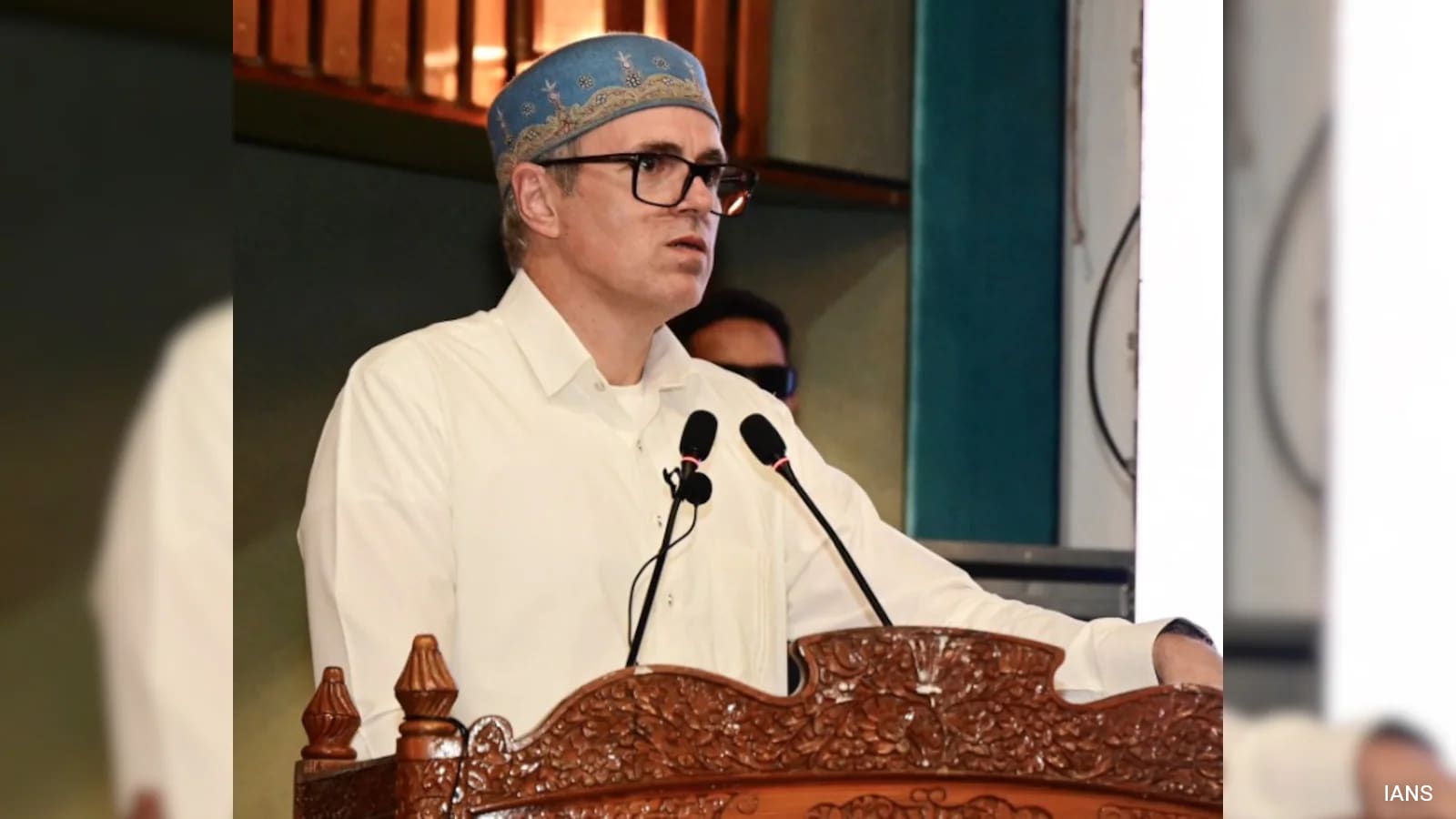
On Narendra Modi's birthday, Omar Abdullah, Jammu and Kashmir Chief Minister, on Thursday (September 17, 2026), called for the restoration of Statehood status for the Union Territory. He criticized broken promises regarding Statehood and supported the Centre’s move to charge UPI payments, clarifying that charges would apply only to businesses facilitating transactions over ₹2,000.

Under Prime Minister Narendra Modi, India's economy more than doubled to over $4 trillion by 2026, with GDP growth averaging around 7.5%. Key reforms included aggressive infrastructure spending, GST implementation, digital payments expansion (UPI), and manufacturing incentives like PLI schemes. However, challenges remain in job creation and private sector investment.
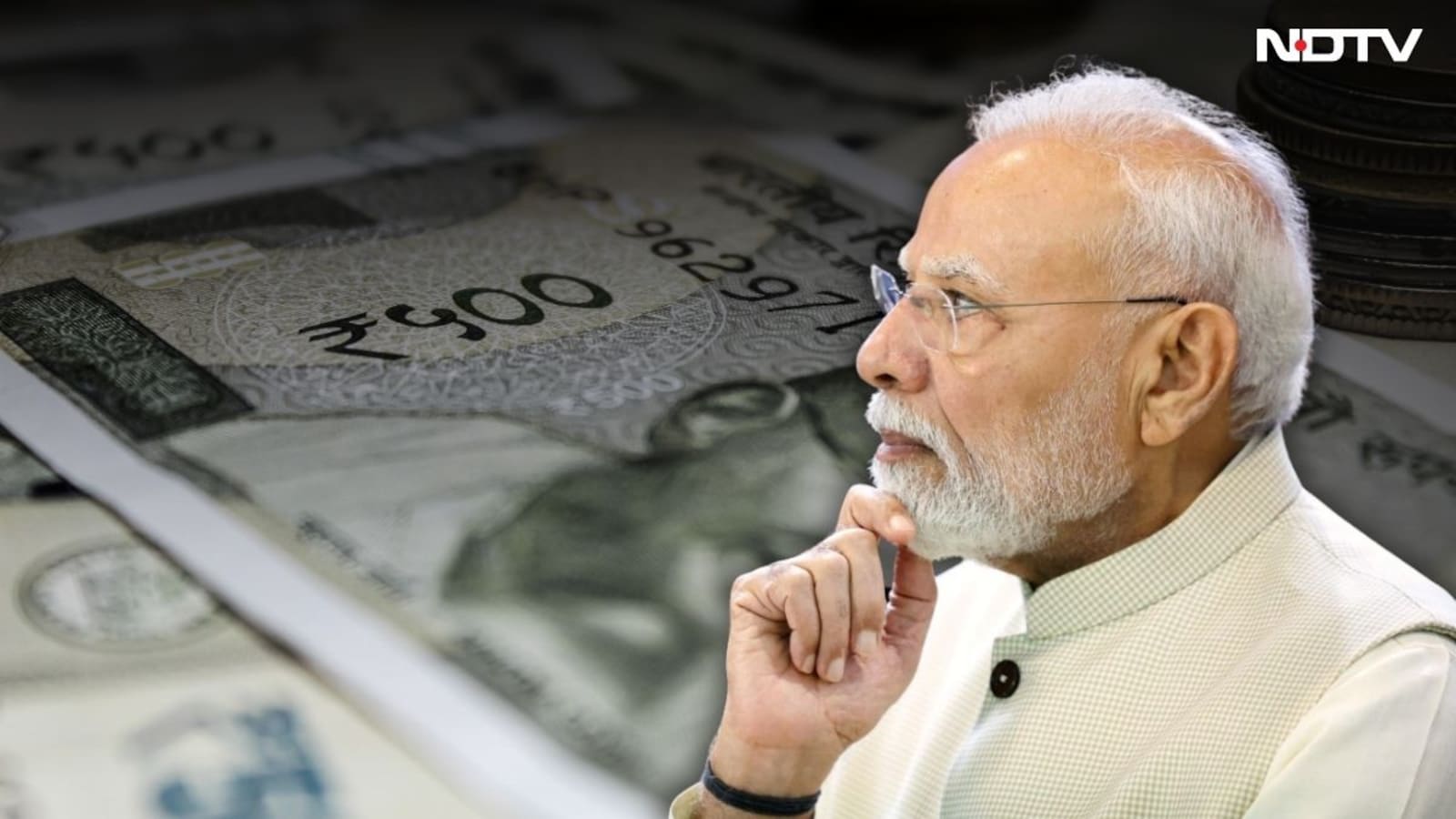
On Thursday, West Bengal Chief Minister Suvendu Adhikari announced that Prime Minister Narendra Modi has initiated the preparation of a list of 50 lakh beneficiaries under the PM Awaas Yojana in West Bengal. New houses will be owned by women. Additionally, September 17 will be celebrated as 'Annapurna Divas' to honor the Annapurna Yojana, which provides financial assistance to women. Adhikari also highlighted a commission set up to address atrocities against women and called for an addiction-free state.
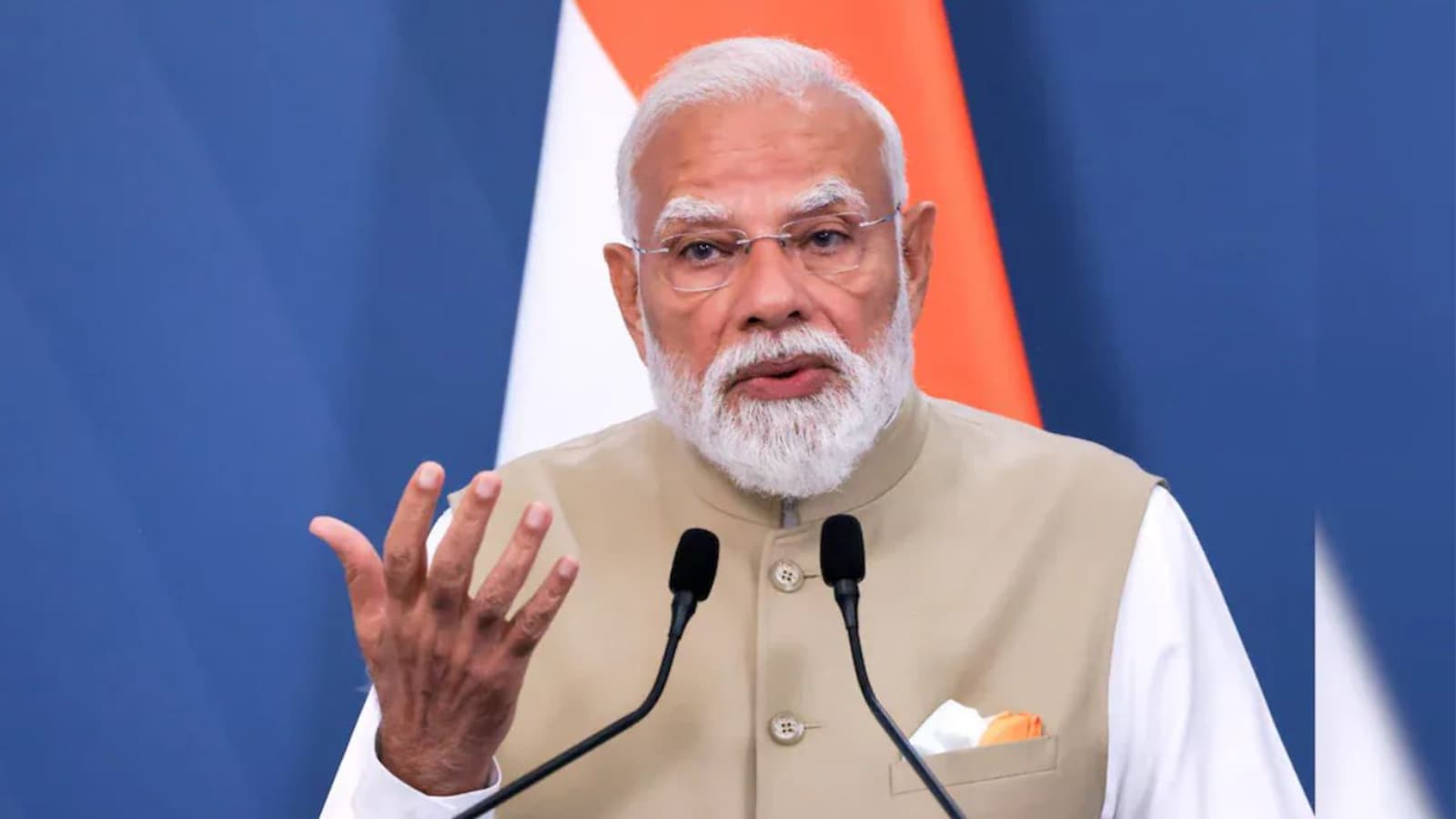
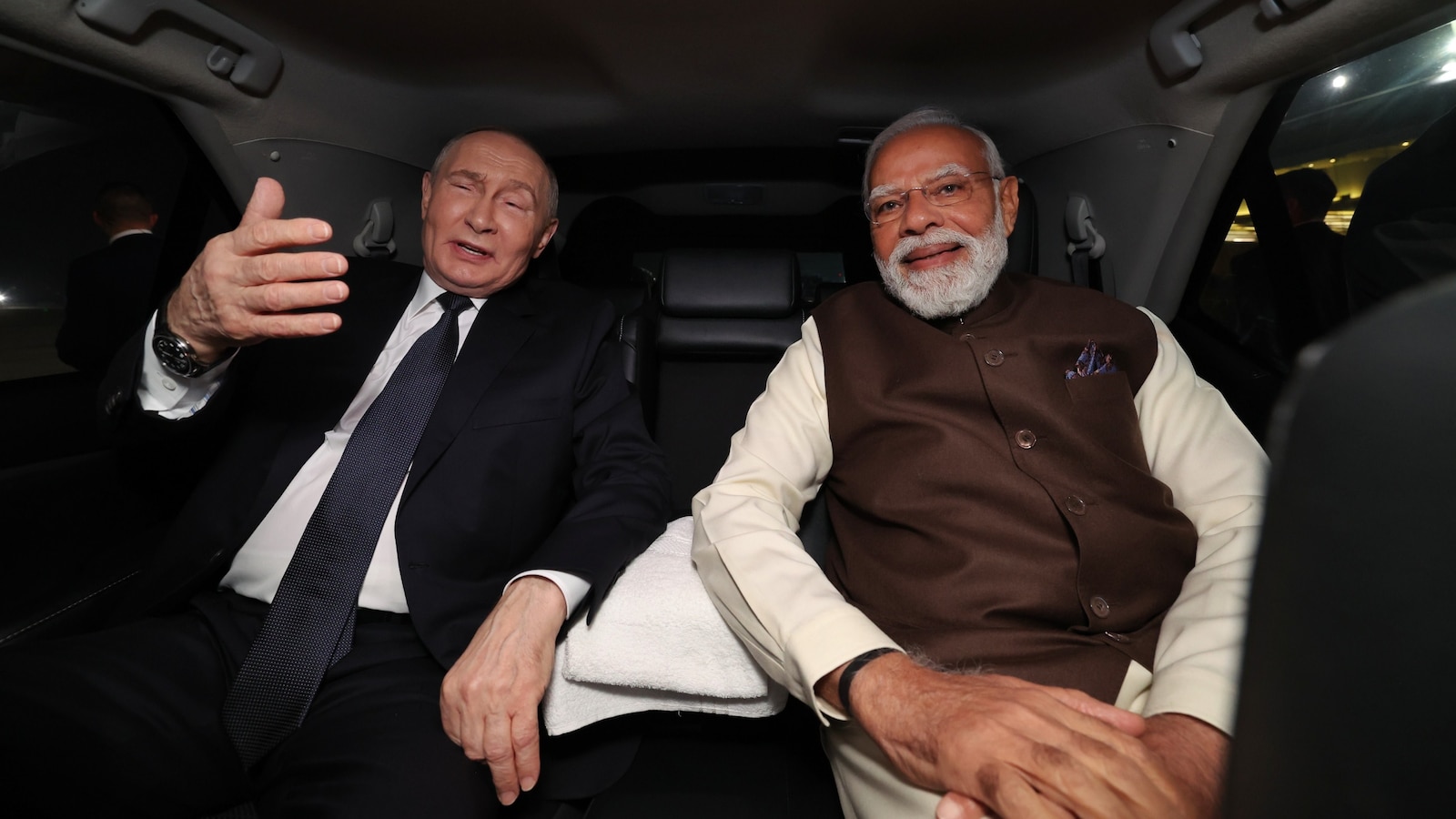
On Narendra Modi's 76th birthday, Vladimir Putin extended wishes, praising him for strengthening India-Russia ties. During the BRICS summit in Delhi last week, Putin thanked Modi for hospitality and described their talks as "substantive, frank, and productive." The Russian leader expressed readiness to continue cooperation on bilateral and international issues, highlighting ongoing conflicts in the Middle East and Black Sea region. Both leaders visited the INNOPROM Exhibition together after discussions at Bharat Mandapam.
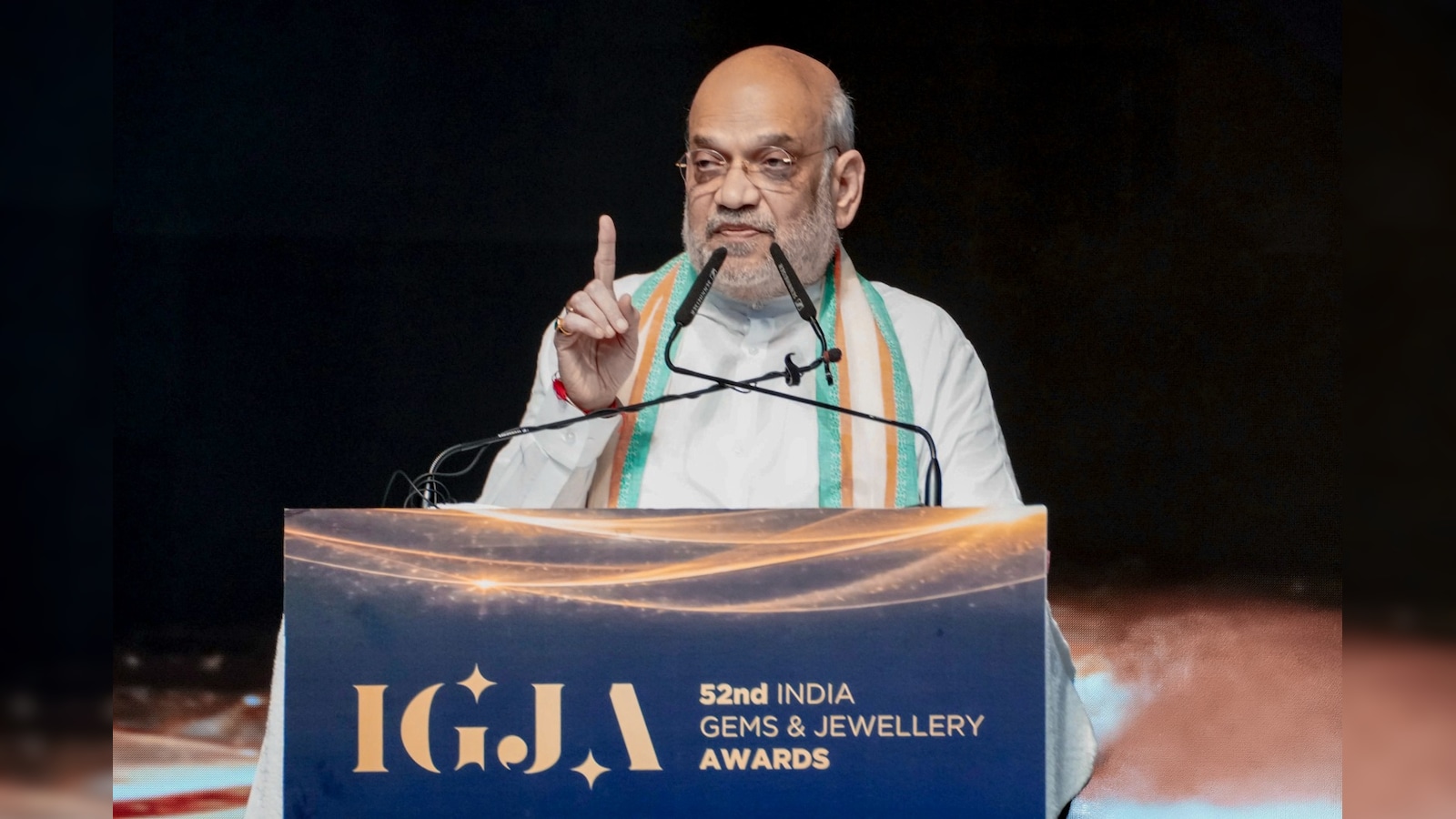
On Thursday, Amit Shah inaugurated the 'Seva Sankalp Abhiyan' in Vadnagar and flagged off a bike rally to Varanasi marking Narendra Modi's 76th birthday. Shah highlighted Modi’s 25 years in public office, emphasizing welfare for the poor and laying India’s prosperity foundation. He claimed over 25 crore people were lifted out of poverty under Modi's leadership. The rallies aim to cover about 40,000 km across 10 states by October 7.
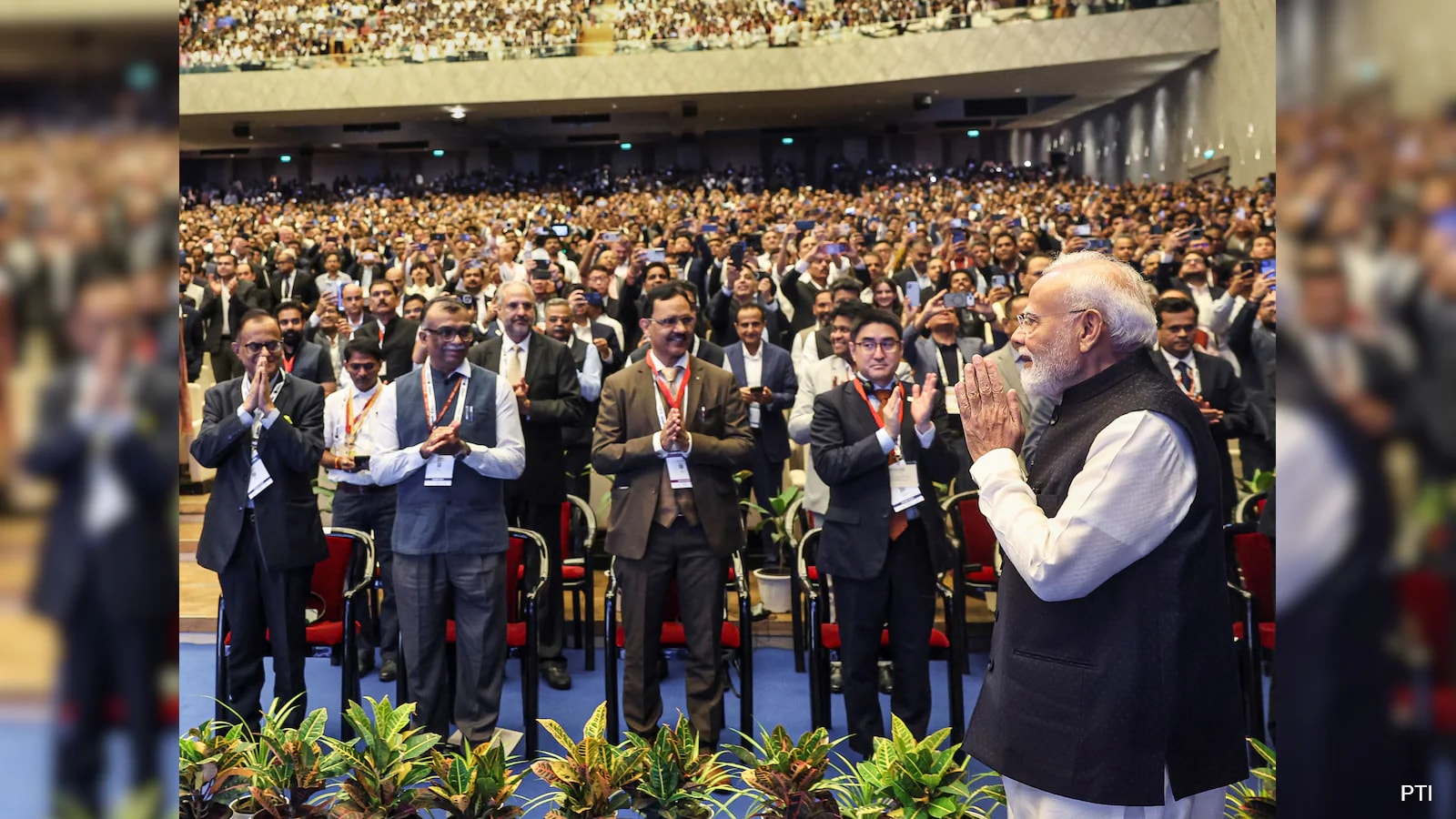
At the SEMICON India 2026 conference in Delhi, Prime Minister Narendra Modi urged international semiconductor leaders and equipment manufacturers to capitalize on emerging opportunities in India's tech ecosystem. He highlighted that India has laid critical groundwork for next-generation technologies like compound semiconductors and silicon photonics, emphasizing policy reforms to attract global investment and train engineers. The conference runs from September 17 to 19 at the Yashobhoomi Convention Centre.
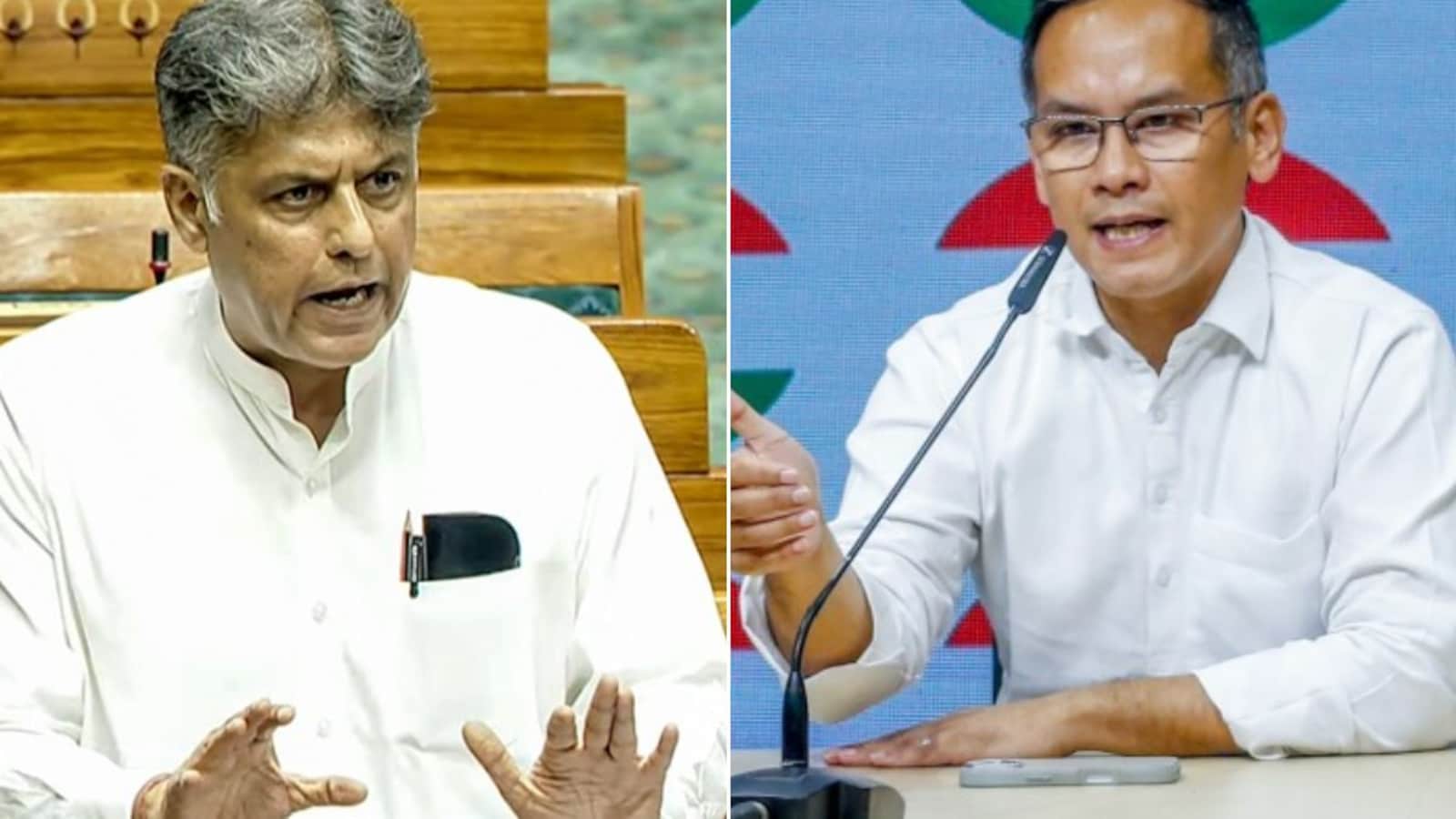
Congress MPs, including Gaurav Gogoi and Manish Tewari, denied charges they agreed to a UPI tax proposal during an August meeting of the Parliamentary Standing Committee on Finance. They claimed no specific proposal was discussed, countering reports that the committee recommended a tiered MDR framework for UPI transactions, leading to new fees from October 15.
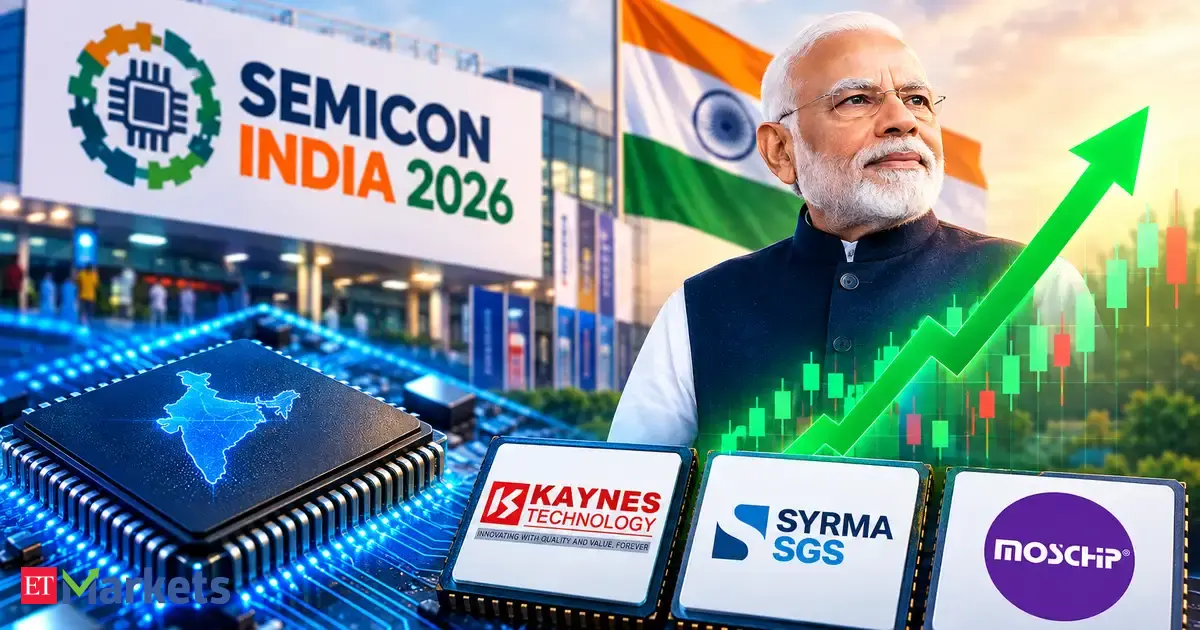
At Semicon India 2026, Kaynes Technology rose 5%, Syrma SGS Technology gained 10%, and MosChip Technologies advanced over 6% as India pushes for semiconductor manufacturing. Kaynes is building a Rs 3,307 crore facility in Gujarat. Prime Minister Narendra Modi urged industry participation in skilling and innovation, highlighting the government's commitment to evolving policies. The event showcases India’s semiconductor value chain from design to systems.
At a press meet on Wednesday, K. Selvaperunthagai, former Tamil Nadu Congress Committee president, said the party should ally only with those accepting Rahul Gandhi as Prime Ministerial candidate. In response, Praveen Chakravarty dismissed Mr. Selvaperunthagai’s comments and asserted that the alliance was strong. Later, Mr. Selvaperunthagai criticized Mr. Chakravarty for his elitist attitude and questioned why critical comments against the BJP were being removed from Assembly records. Published on September 17, 2026.
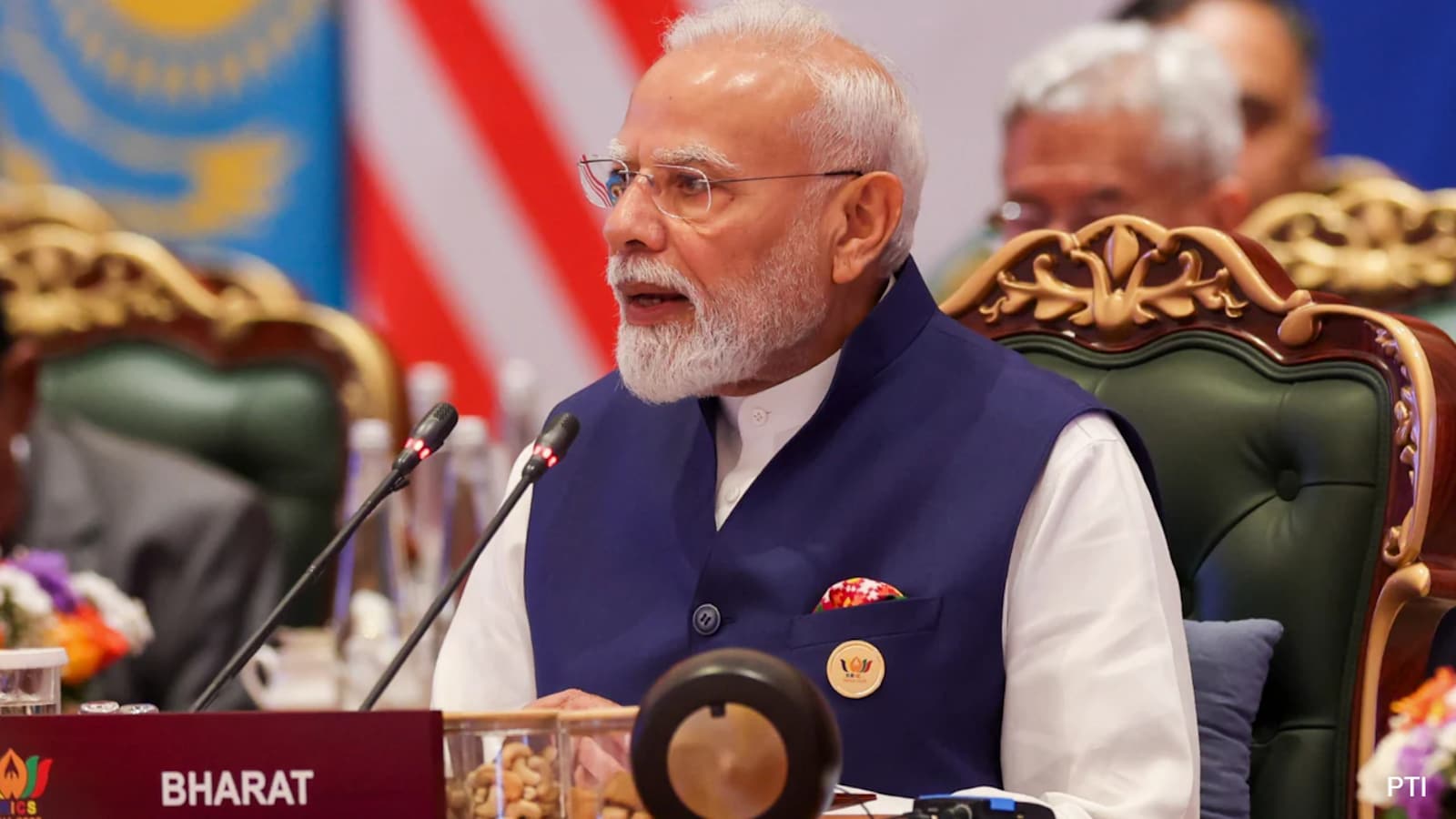
At a roundtable on Wednesday, Prime Minister Narendra Modi urged leading CEOs to participate in India's next phase of semiconductor growth. He highlighted the importance of collaboration and emphasized India’s talent pool and infrastructure, calling for industry involvement in AI and quantum computing. The meeting included representatives from SEMI, Micron, Infineon, and others. Modi invited suggestions on policies and assured due consideration. CEOs appreciated India's progress and committed to furthering its semiconductor capabilities under ISM 2.0.
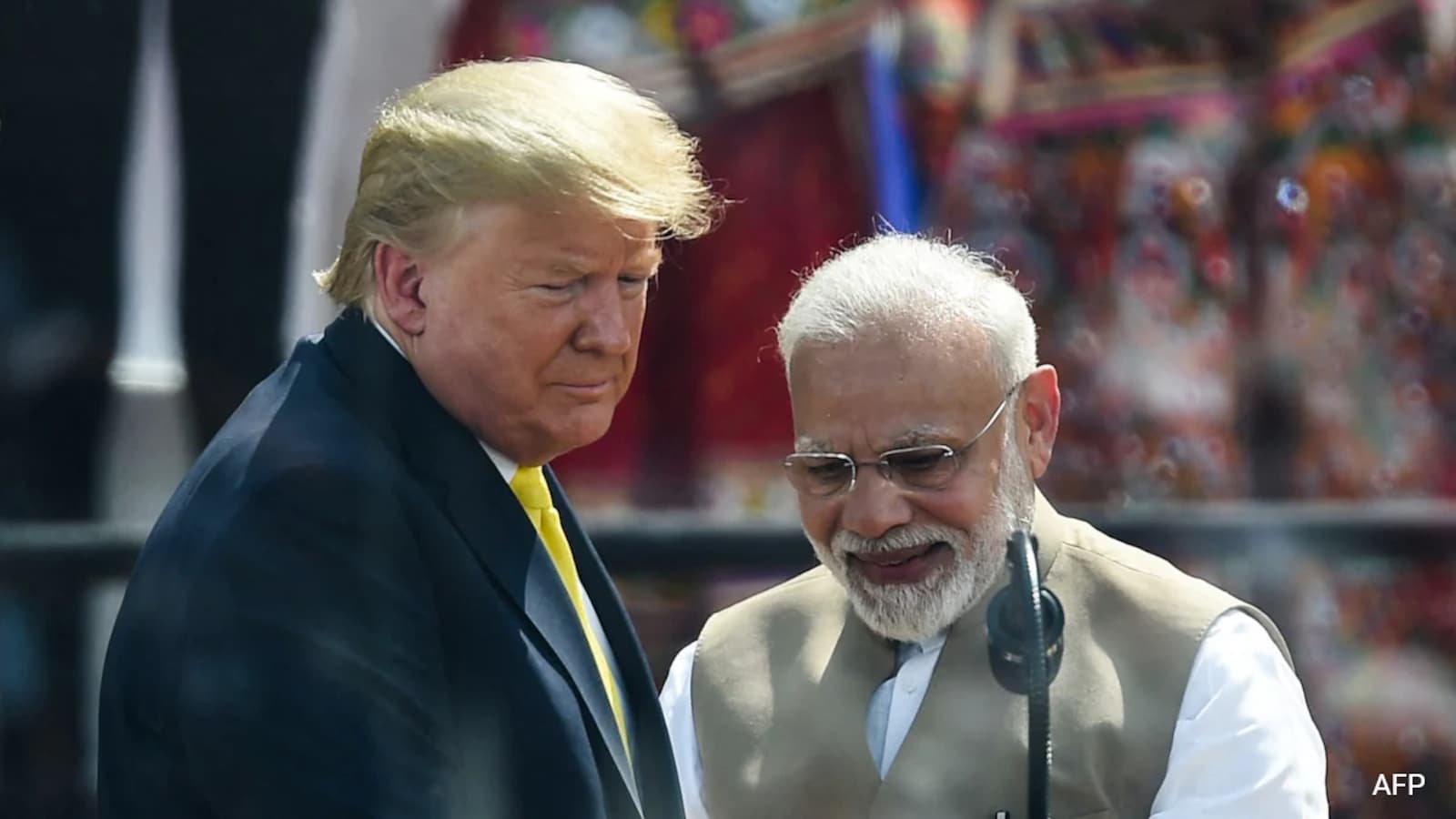
On Wednesday, US President Donald Trump welcomed Prime Minister Narendra Modi's efforts against opium production while noting India remains on the US list of major illicit drug-producing or transit countries. The US cited geographic and economic factors for inclusion, not failure to combat drugs. Trump highlighted his administration’s progress in reducing drug trafficking and overdose deaths, claiming a 50% drop in border seizures and significant narcoterrorist arrests.
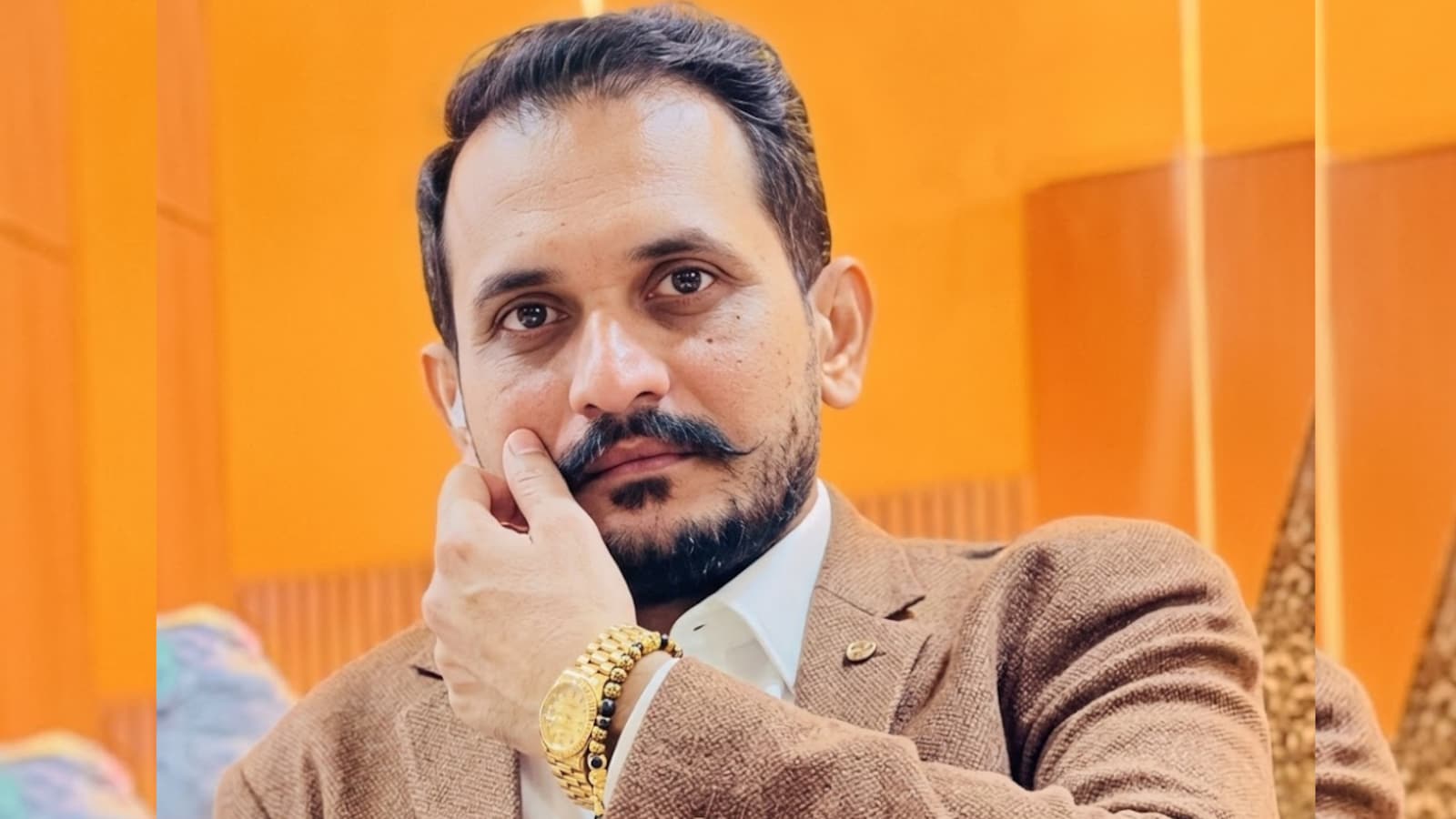
On Wednesday, Union Home Minister Amit Shah declared the Pakistan-based Shahzad Bhatti Network (SBN) a terrorist organisation under India's Unlawful Activities (Prevention) Act. The move targets SBN for smuggling arms and narcotics, inciting youths into terrorism, and publishing hateful digital content. A gazette notification invoked Section 35(1)(a) of the UAPA to list SBN as the 46th terrorist organisation, citing its involvement in disrupting public order and internal security.
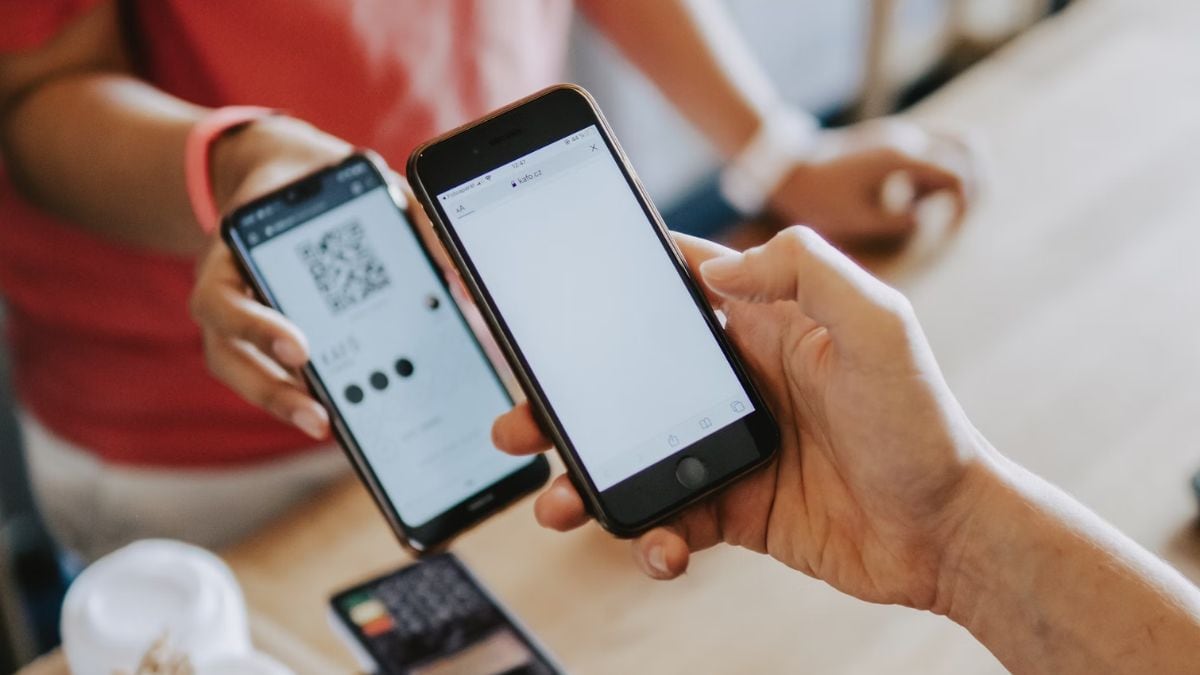
NPCI announced on Tuesday that while all transactions will remain free for consumers, some UPI payments over Rs 2,000 will attract a Merchant Discount Rate (MDR) of 0.4%, with a flat rate of Rs 5 for sectors like railways and telecom services. The finance ministry clarified the MDR is not a tax but supports ecosystem expansion. Despite criticism from Congress and other opposition parties, the government stated it would not roll back the decision, emphasizing that only 4% of transactions will be affected.
At a press conference in Bengaluru on September 15, Union Health Minister J.P. Nadda announced that the BJP would launch a month-long public service campaign called Seva Sankalp Abhiyan starting September 17 to mark Prime Minister Narendra Modi’s 25 years of continuous service. Activities include cleanliness drives, blood donation camps, and medical check-ups across India until October 17, concluding with an address by the Prime Minister.

On September 16, 2026, Congress accused the government of giving in to a U.S. demand by charging for UPI and ending zero Merchant Discount Rate (MDR), claiming Prime Minister Narendra Modi is appeasing President Trump. Congress general secretary Jairam Ramesh alleged this move benefits American card companies and criticized increased H-1B visa costs and potential deportation of Indian immigrants. The government introduced a 0.4% fee on UPI transfers to merchants from October 15, exempting person-to-person transactions. This has drawn sharp criticism from opposition parties.

On September 8, NCERT formed two committees to develop Economics and English textbooks for Classes 11 and 12. Members include right-wing activist Saket Bahuguna and PM’s Economic Advisory Council member Sanjeev Sanyal. The committees aim to incorporate Indian knowledge systems and will be reviewed by NCERT before publication, with deadlines set for November 30, 2026, September 30, 2027, and February 28, 2027.

On September 15, 2026, Amit Shah asserted that a Uniform Civil Code (UCC) will be implemented in all NDA-ruled states by 2029. Key allies like TDP, Shiv Sena, and JD(U) backed the BJP; TDP president P. Srinivasa Rao supported it, while JD(U)'s Bihar Deputy Chief Minister Vijay Kumar Chaudhary said they would study it before deciding. Shiv Sena's Eknath Shinde also endorsed Shah’s vision of "one country, one law." Opposition leaders criticized the move, citing concerns over religious freedom and implementation.

In less than a month, Prime Minister Narendra Modi will complete 25 years in public life. He served as Chief Minister of Gujarat from 2001 to 2014 and has led the BJP-led Central government since then. Major schemes like Swachh Bharat, Jan Dhan, Ayushman Bharat, and Digital India have been launched, reaching millions. The Swachh Bharat Mission increased rural sanitation coverage to 100% by 2019, creating over 7 million jobs. Pradhan Mantri Jan Dhan Yojana grew bank accounts from 14.72 crore in 2015 to 59.09 crore in 2026, with deposits increasing nearly 20 times. Ayushman Bharat expanded access to cashless healthcare for over 12 crore families by March 2024. Digital India connected 2.
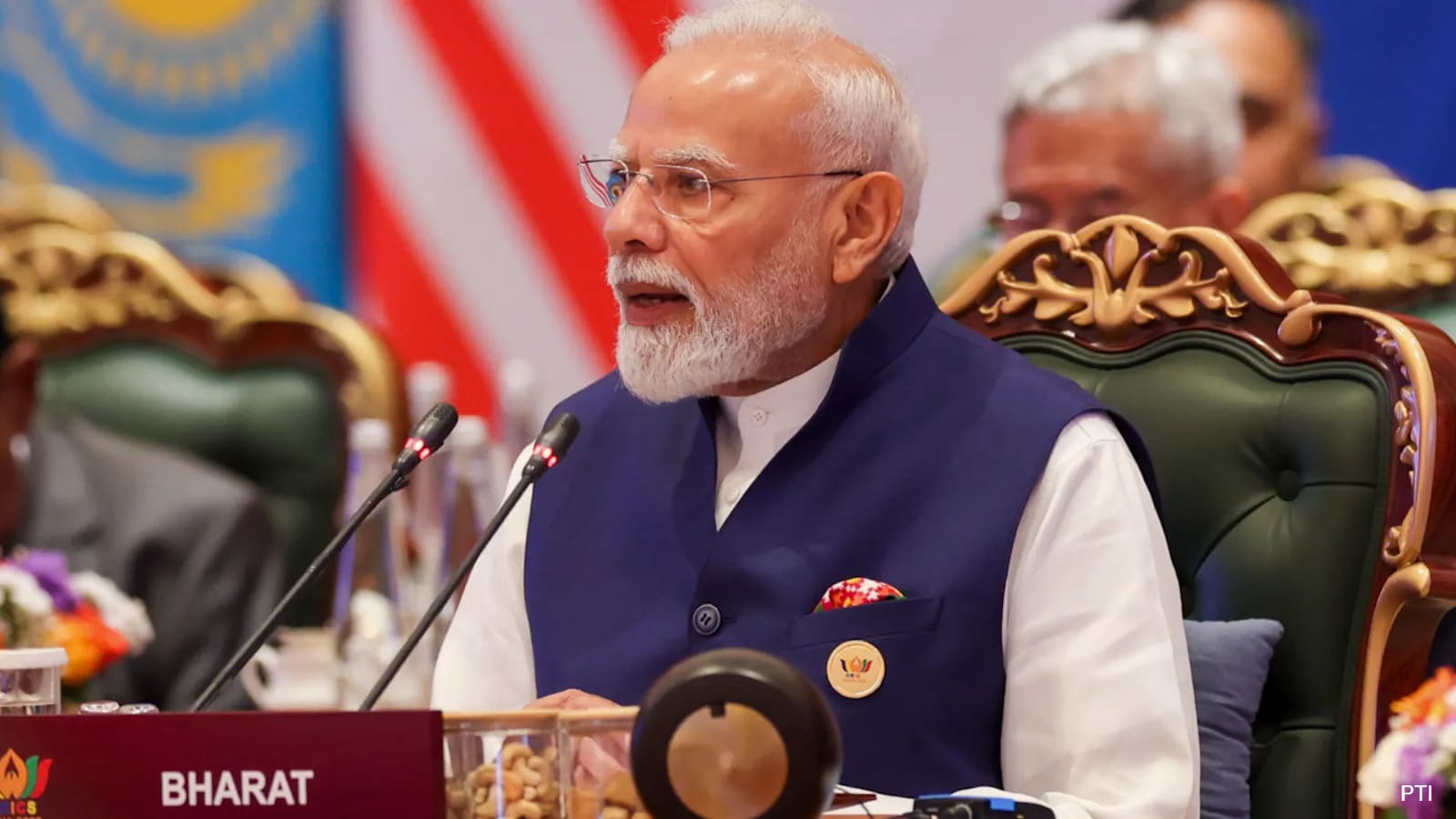
On Tuesday, Omar Abdullah praised the BRICS New Delhi Declaration, highlighting its mention of Pahalgam despite many Pakistan allies present. When asked about Pakistan's absence from the declaration, he deferred to India’s government and foreign ministry. The 18th BRICS Summit unanimously adopted a 45-page declaration condemning terrorism, specifically mentioning the April 2025 attack in Pahalgam that killed 26 people.
On September 15, 2026, Chief Minister Yogi Adityanath said every child should read Prime Minister Narendra Modi’s book ‘Exam Warriors’ to avoid confining knowledge to a narrow sphere. He noted that 10 years ago, Uttar Pradesh was in the BIMARU category and its youth faced identity crises, but now the state has improved.

On September 14, 2026, Congress criticized the government over rising Wholesale Price Index (WPI) inflation to 9.92%, up from 8.75% in April, citing increased food, manufactured items, and fuel prices. Jairam Ramesh, Congress general secretary, noted WPI inflation has been around 10% for four months, causing hardships due to rising essential commodity prices and falling wages, especially in rural areas. He mocked Prime Minister Narendra Modi's "all is well" stance with "everything is expensive." The increase was attributed to the West Asia war impacting crude oil imports via the Strait of Hormuz.

On September 14, 2026, Asaduddin Owaisi, AIMIM president, criticized Amit Shah's remarks that BJP-led NDA governments in 21 states would introduce the Uniform Civil Code (UCC) before 2029. Owaisi questioned if allies had independent voices and cited Law Commission reports opposing UCC, alleging it targets minorities. He also linked UCC to past protests over Citizenship Amendment Act/National Register of Citizens (NRC). Published September 14, 2026.

On September 14, 2026, V.D. Satheesan, Keralam's Chief Minister, met with Anwar Ibrahim and Malaysian business representatives at Tulah Clinical Wellness near Calicut University to discuss expanding cooperation in healthcare, tourism, trade, investment, and education. P.K. Kunhalikutty, Industries Minister, highlighted Keralam’s potential for wellness tourism and assured investors of government support. The meeting followed Ibrahim's engagements in New Delhi, including the BRICS summit and a meeting with Prime Minister Narendra Modi.

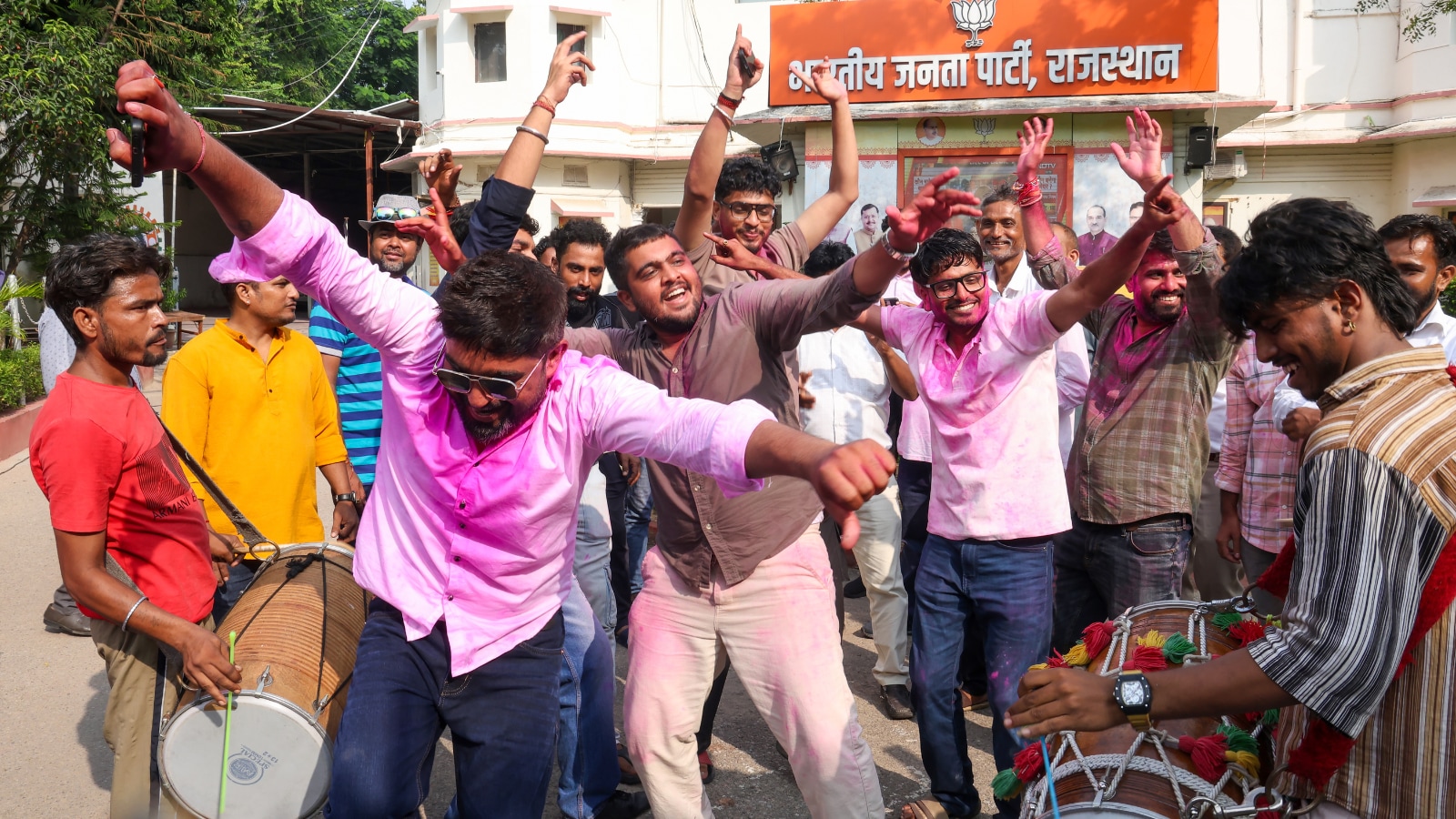
On September 14, 2026, Narendra Modi hailed the BJP's victory in Rajasthan's urban local body elections, securing 4,179 wards against the Congress's 3,613 and clear majorities in four municipal corporations. In a post on X, Mr. Modi thanked voters for supporting truth over falsehood and expressed confidence in continuing good governance and development under double-engine government policies.

On Monday, BJP emerged ahead in Rajasthan's urban local body elections, winning 4,179 wards against Congress's 3,613. BJP secured clear majorities in four municipal corporations, while Congress won Bikaner and Independents dominated Bharatpur. Results showed BJP with a narrow lead over Congress, with both parties claiming victory based on different metrics. Mayors and chairpersons will be elected on September 21.
On September 14, 2026, Amit Shah, Union Home Minister, emphasized cultural nationalism and the promotion of Indian languages at the 6th All India Rajbhasha Sammelan. He linked this to Prime Minister Narendra Modi's vision, highlighting initiatives like 'Hindi Shabd Sindhu', which now contains eight lakh words, and the integration of regional language words into Hindi. Shah stressed that a child understands their country best through their mother tongue and called for setting aside political differences to promote Indian languages. He also noted efforts such as making primary education in one's mother tongue mandatory under NEP and launching 'Hindi Shabd Sindhu' digitally, alongside other language-learning resources.

On September 14, 2026, Bihar Chief Minister Samrat Choudhary announced that a central team led by Union Minister Shivraj Singh Chouhan would visit Bihar on September 16 to assess flood damage. This came after Leader of Opposition Tejashwi Yadav criticized the tepid response from both State and Central governments, highlighting disparities in relief efforts compared to Gujarat. The floods affected over 49 lakh people across 15 districts. Choudhary thanked Prime Minister Narendra Modi for forming the team despite being busy with BRICS summit activities.

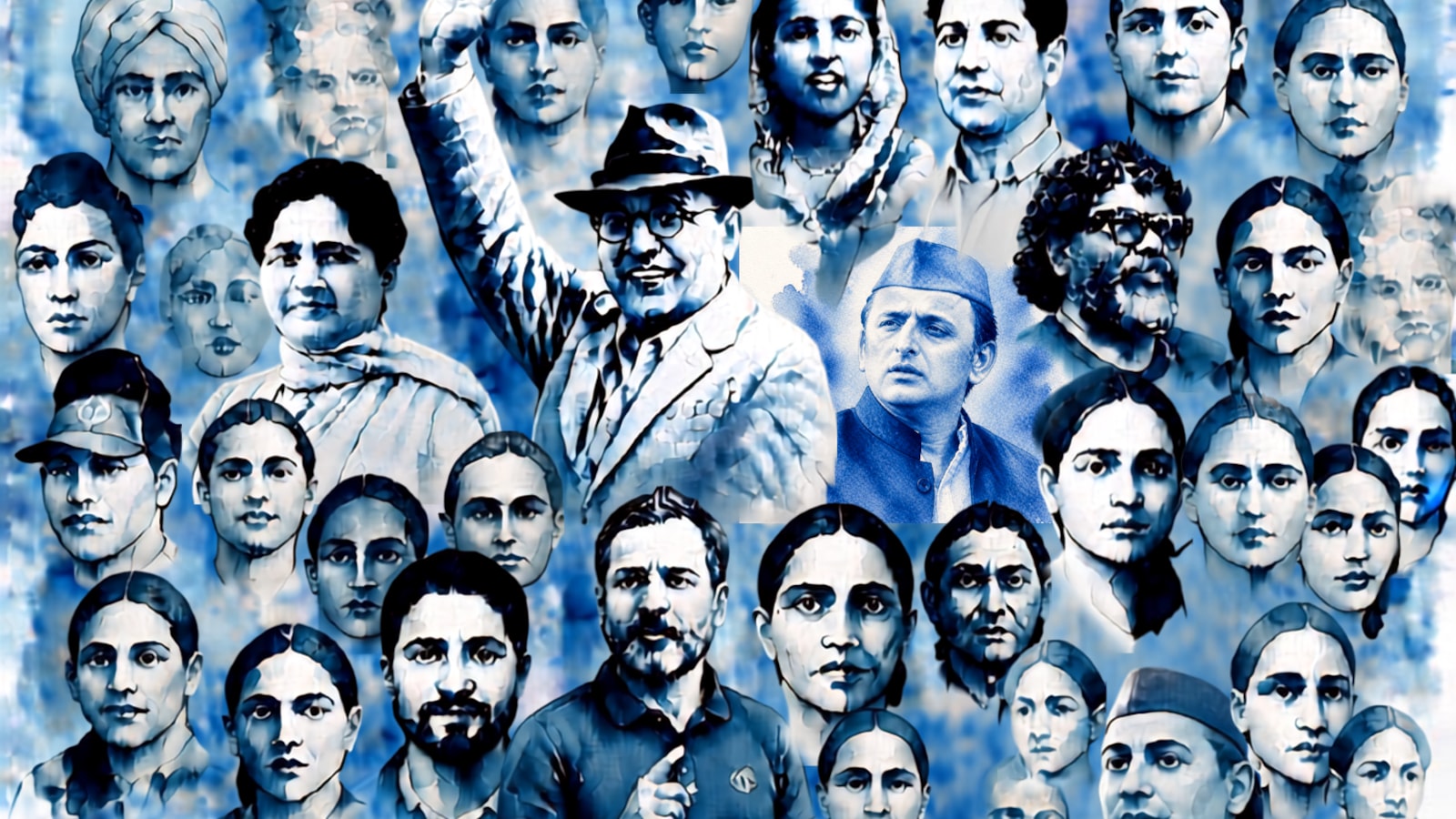
In a political dispute over color symbolism, Akhilesh Yadav of the Samajwadi Party adopted blue for his party's student wing, while Mayawati of the Bahujan Samaj Party objected, claiming blue as her party’s color. This move reflects broader ideological battles and voter mobilization strategies ahead of Uttar Pradesh elections in early 2024.
On September 13, 2026, Abhijeet Dipke, founder of the Cockroach Janta Party (CJP), posted a satirical resignation letter on X criticizing the Mohan Yadav government over tribal children’s deaths in Balaghat district. He mocked compensation and questioned governance failures, including education and welfare issues. The post followed his visit to affected villages where he faced disruption from social media influencers. Earlier, the Madhya Pradesh High Court issued notices regarding a PIL on child deaths due to infectious diseases and inadequate healthcare facilities.

Prime Minister Narendra Modi of India engaged with African leaders on the sidelines of the 18th BRICS Summit, including hosting Ethiopian Prime Minister Abiy Ahmed Ali and South African President Cyril Ramaphosa, discussing bilateral relations, regional developments, and global issues. On September 12-13, 2026, Modi also met Burundi's President Evariste Ndayishimiye, Uganda’s Vice President Jessica Rose Epel Alupo, and Nigeria’s Vice-President Kashim Shettima Mustapha, covering topics like health crises, economic cooperation, and technology partnerships.

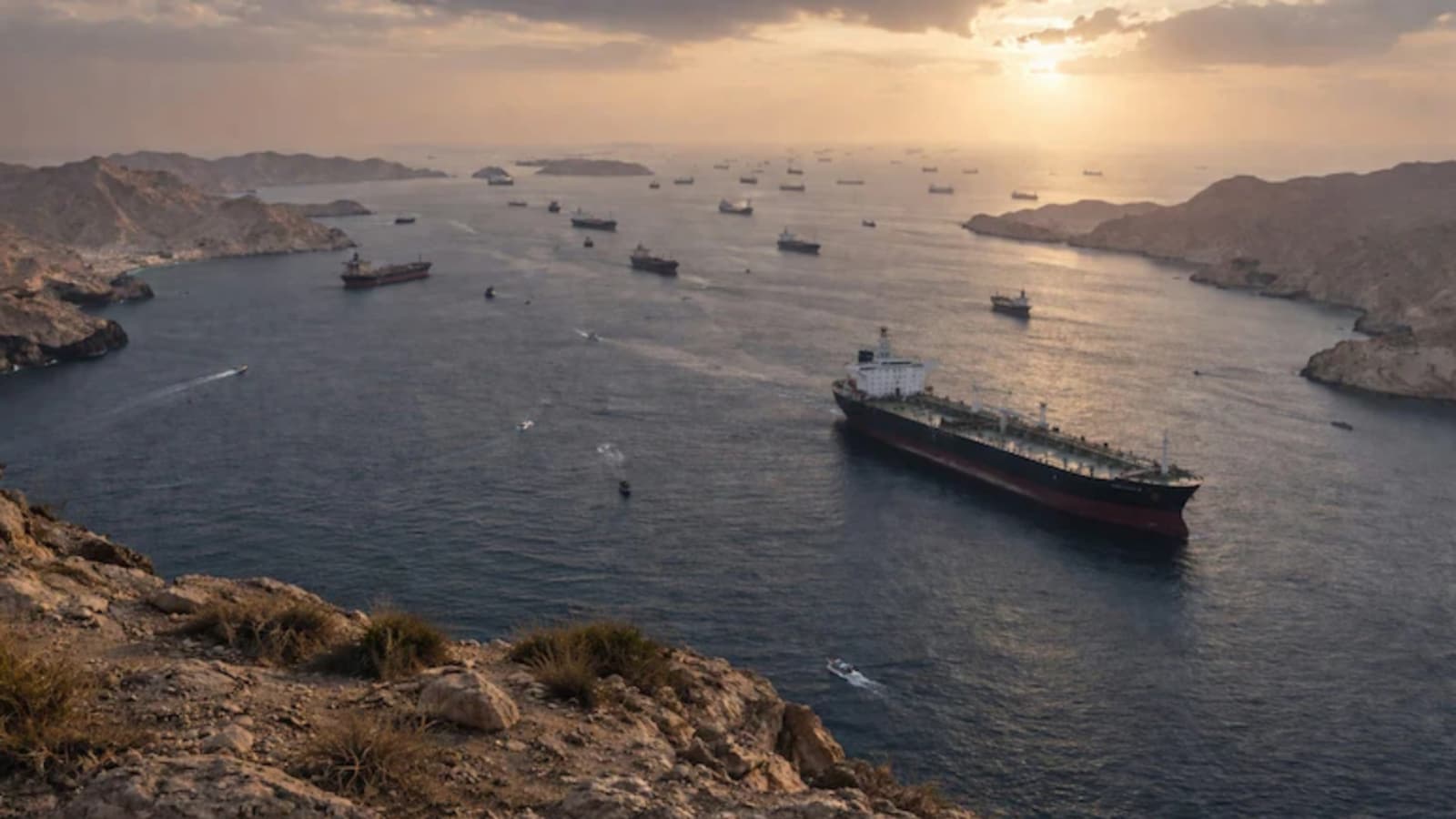
On September 13, 2026, India condemned an attack on the Panama-flagged oil tanker MT El Gaia off Oman's coast, resulting in one Indian seafarer missing and 13 rescued. The Ministry of External Affairs (MEA) thanked Omani authorities for their rescue efforts and called for de-escalation and dialogue to ensure regional peace and free navigation.

On September 12, 2026, Prime Minister Narendra Modi hosted an all-vegetarian gala dinner for BRICS leaders at the Bharat Mandapam. The next day, Rahul Gandhi, Leader of the Opposition, criticized this choice, noting that 80% of Indians are non-vegetarian and highlighting Indian cuisine diversity. Congress spokespersons accused the BJP of imposing dietary preferences on both citizens and foreign dignitaries, while BJP leaders defended the menu as rich in flavor and nutrition.

On September 13, 2026, Tejashwi Yadav, Leader of the Opposition in Bihar and Rashtriya Janata Dal (RJD) National Working President, criticized both State and central governments for their lack of seriousness regarding recent Bihar floods affecting over 48 lakh people. He wrote to Prime Minister Narendra Modi demanding national disaster declaration, compensation, and a special economic package but received no response. Yadav also accused Chief Minister Samrat Choudhary of inaction and alleged misuse of funds by the state government. According to Bihar Disaster Management Department (DMD), 48.35 lakh people were affected across 15 districts.

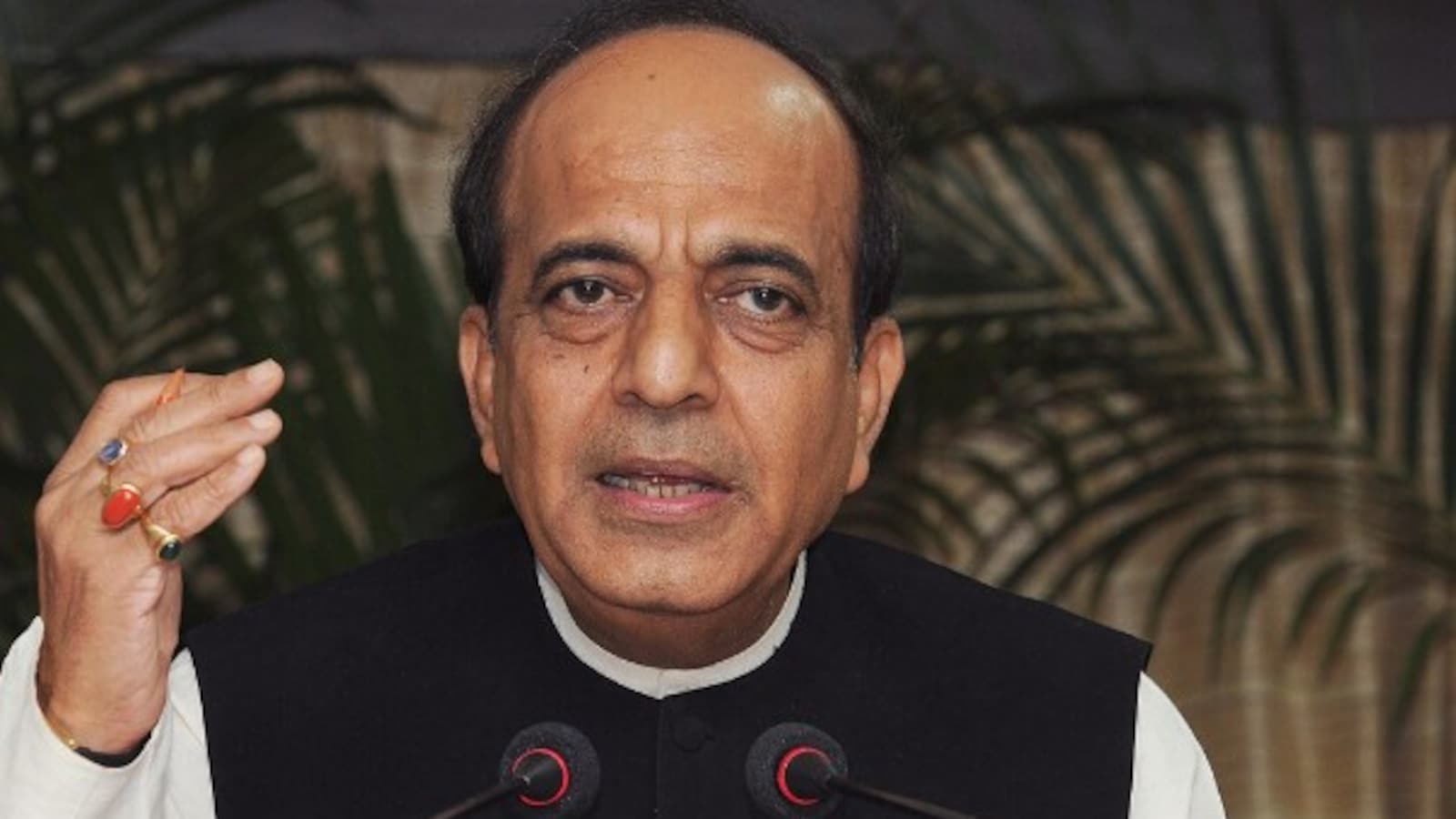
On 13 September 2026, Indian High Commissioner Dinesh Trivedi met with high-level Bangladeshi officials including Adviser Dr. Zahed Ur Rahman and Minister of Water Resources Mr. Md. Shahiduddin Chowdhury Anee to discuss normalizing ties and addressing issues like the Ganges Water Sharing Treaty set to expire in December 2026. Both sides expressed optimism for enhancing people-to-people relations despite recent diplomatic hiccups.
On Sunday, the Ministry of External Affairs (MEA) reported that 13 Indian seafarers were rescued and a search continued for one missing crew member after the commercial ship MT El Gaia was attacked off Oman's coast. The MEA condemned the attack and called for safe navigation in the region. The Omani authorities are leading the rescue efforts, with the Indian Embassy monitoring and coordinating closely.
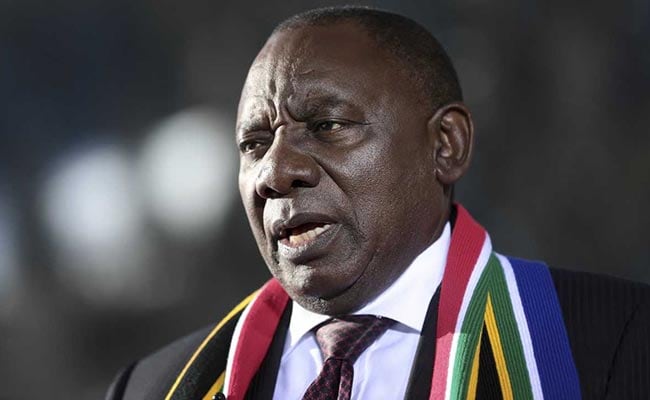
At the BRICS Summit in New Delhi, South African President Cyril Ramaphosa warned against fearing or recklessly developing artificial intelligence (AI), emphasizing the need for human governance to match technological advancement. He called for better government understanding and active involvement in shaping AI's development to prevent it from getting "out of control." The summit also adopted a declaration supporting safer, more secure, reliable, and inclusive AI, with Chinese President Xi Jinping advocating deeper cooperation among BRICS countries on AI and innovation. Ramaphosa praised India’s leadership role at the summit and his bilateral talks with Prime Minister Narendra Modi, who he described as "a joy for all of Africa."
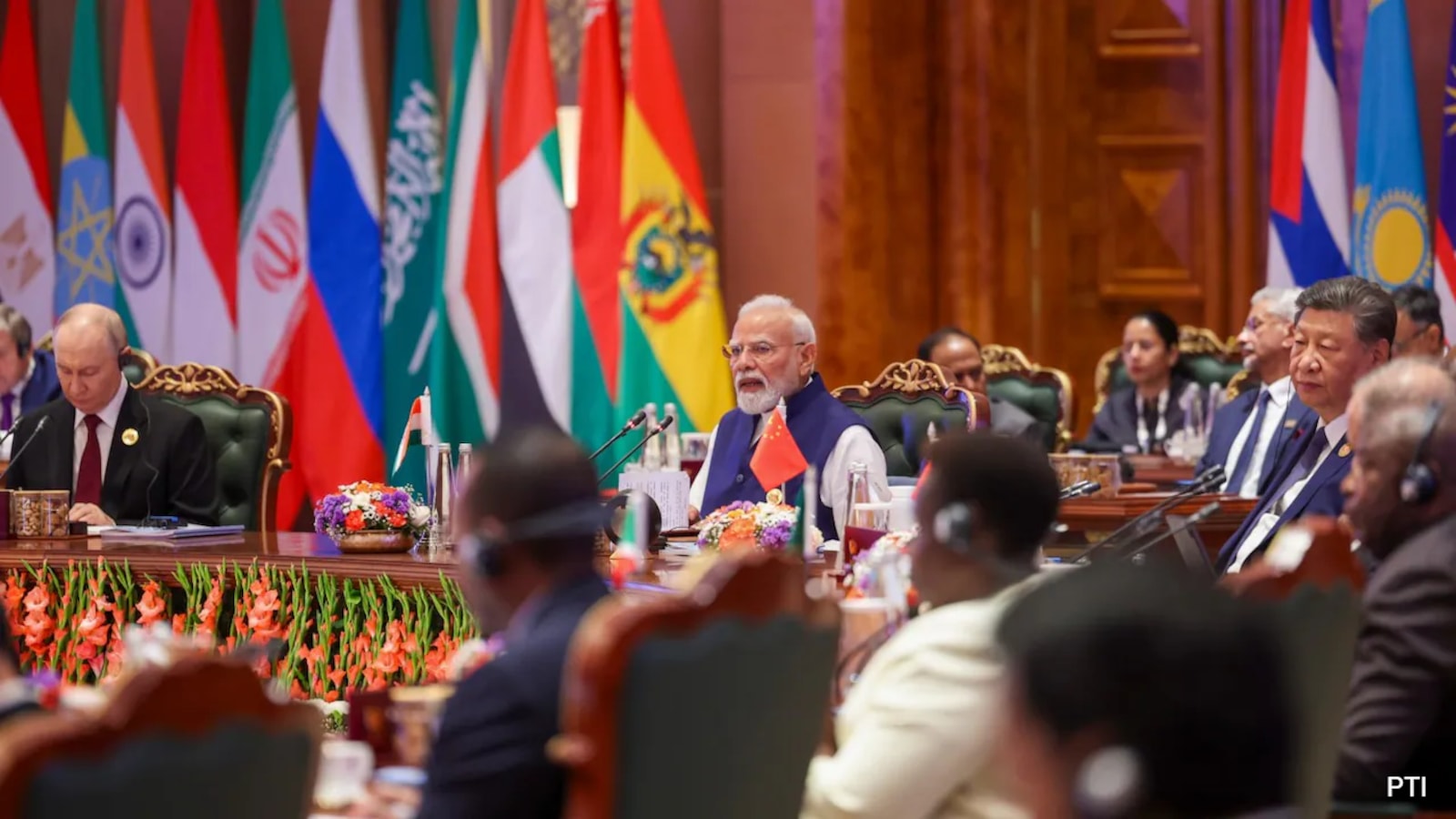
At the 18th BRICS Summit in New Delhi, Prime Minister Narendra Modi convened leaders from 11 nations, including adversaries like China and Saudi Arabia, to sign a declaration under India's leadership. This marked India’s rise as a global power, with consensus on key issues like economic reforms, cross-border terrorism, and UN Security Council representation. India also secured support for its positions on AI and mental health within BRICS frameworks.
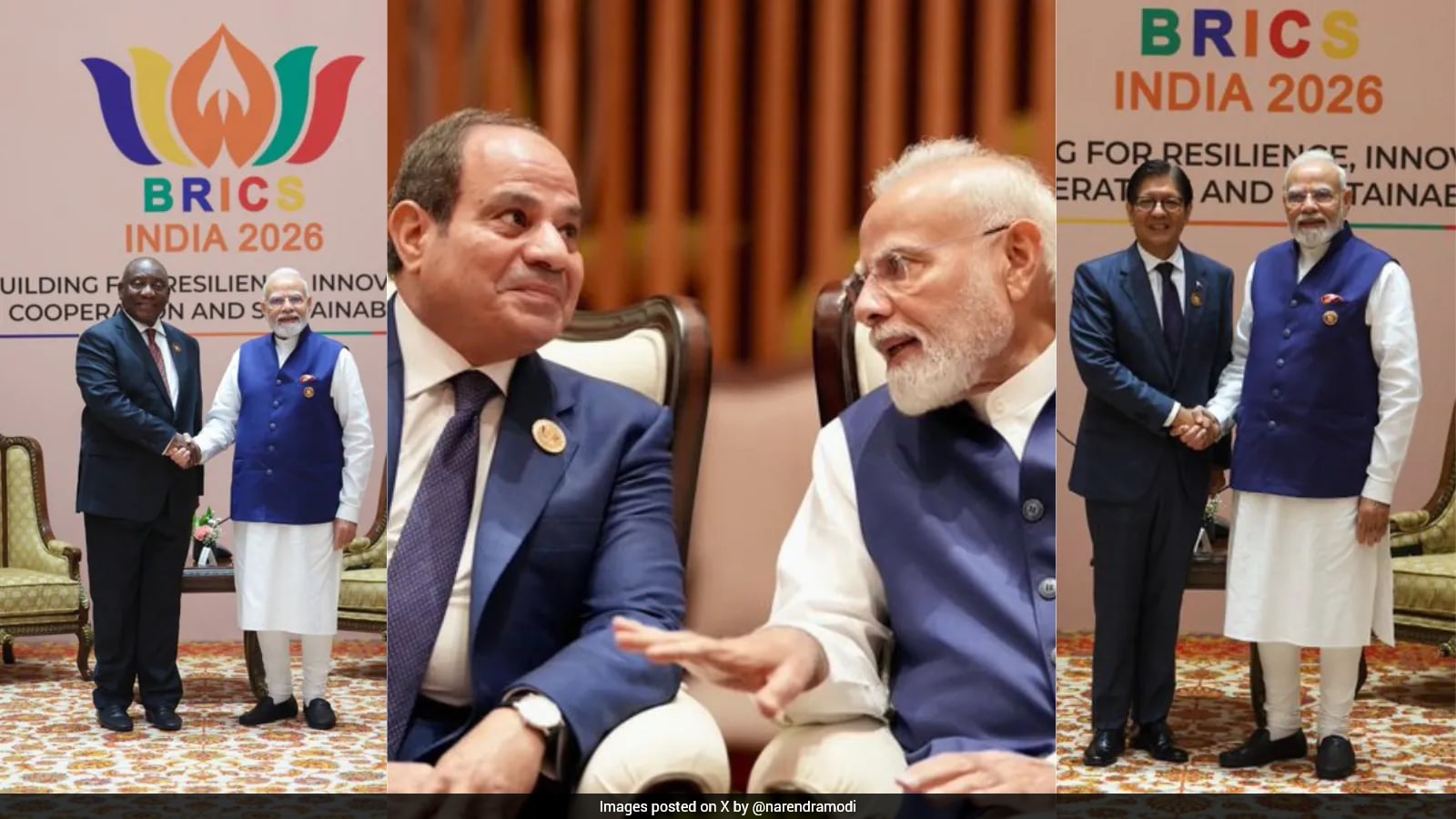
On the sidelines of the BRICS summit, Prime Minister Narendra Modi held bilateral discussions with leaders including South African President Cyril Ramaphosa, Philippines President Ferdinand Marcos Jr., and Egyptian President Abdel Fattah El-Sisi, focusing on boosting trade, investment, defence, and people-to-people ties. Modi also met with Kazakh President Kassym-Jomart Tokayev, Indonesian President Prabowo Subianto, Burundi President Evariste Ndayishimiye, Ugandan Vice President Jessica Alupo, and Nigerian Vice President Kashim Shettima, emphasizing cooperation in various sectors like technology, trade, space, railway infrastructure, fintech, education, tourism, science, and innovation.
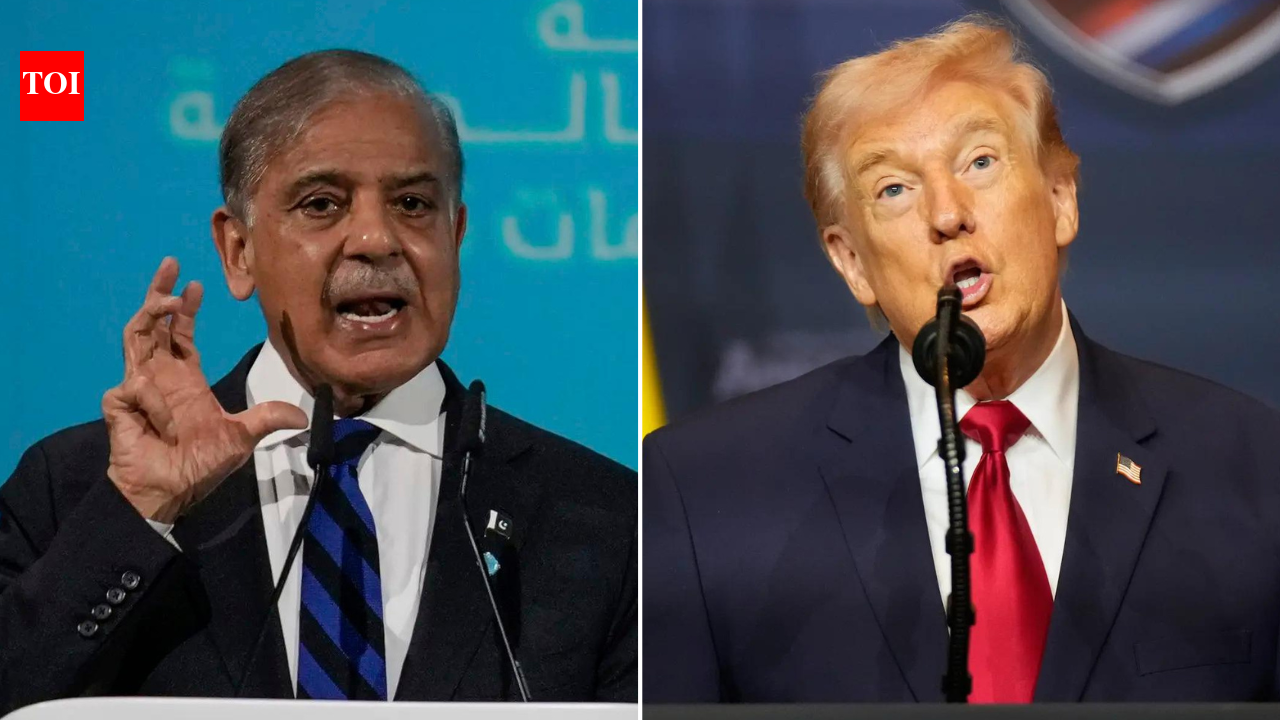
Shehbaz Sharif, Pakistan's Prime Minister, is set to meet Donald Trump in New York on September 23 during the UN General Assembly week. The meeting will occur at a reception dinner hosted by Trump and Melania Trump at the Lotte New York Palace Hotel. Sharif plans to address concerns over India suspending the Indus Waters Treaty and discuss Pakistan's new security partnership with Saudi Arabia and Turkey. He is scheduled to speak on September 25, addressing global leaders amid India's growing diplomatic engagements, including the Brics Summit where terrorism was condemned.
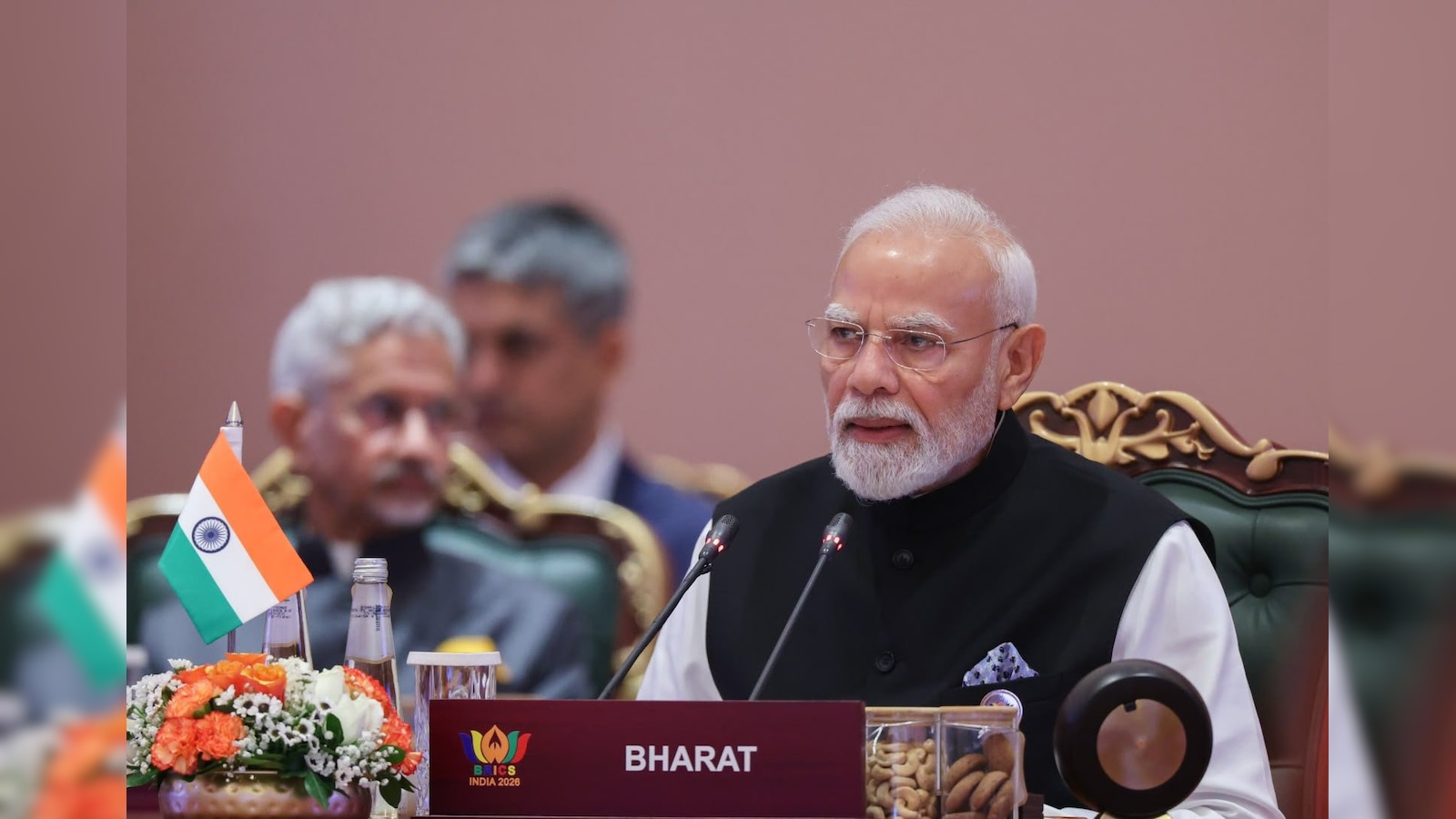
At the BRICS summit in New Delhi, Indian Prime Minister Narendra Modi and other leaders adopted a joint declaration avoiding direct condemnation of the US-Israel war on Iran or Russia’s actions in Ukraine. The 11-member bloc, comprising nearly half the world's GDP, called for restraint but steered clear of naming countries involved in conflicts. They also criticized unilateral tariffs without specifying nations.

Opposition Congress questioned the BRICS New Delhi Declaration's effectiveness, citing lack of mention on Arunachal, Ladakh disputes and specifics about the Pahalgam terror attack. Nana Patole criticized PM Modi for not addressing China’s occupation, while Rashid Alvi highlighted the declaration's failure to identify perpetrators of terrorism. The summit, held over the weekend, focused on multilateral institution reforms and condemned terrorism strongly. Despite these efforts, leaders like Ajay Rai doubted tangible benefits for citizens.
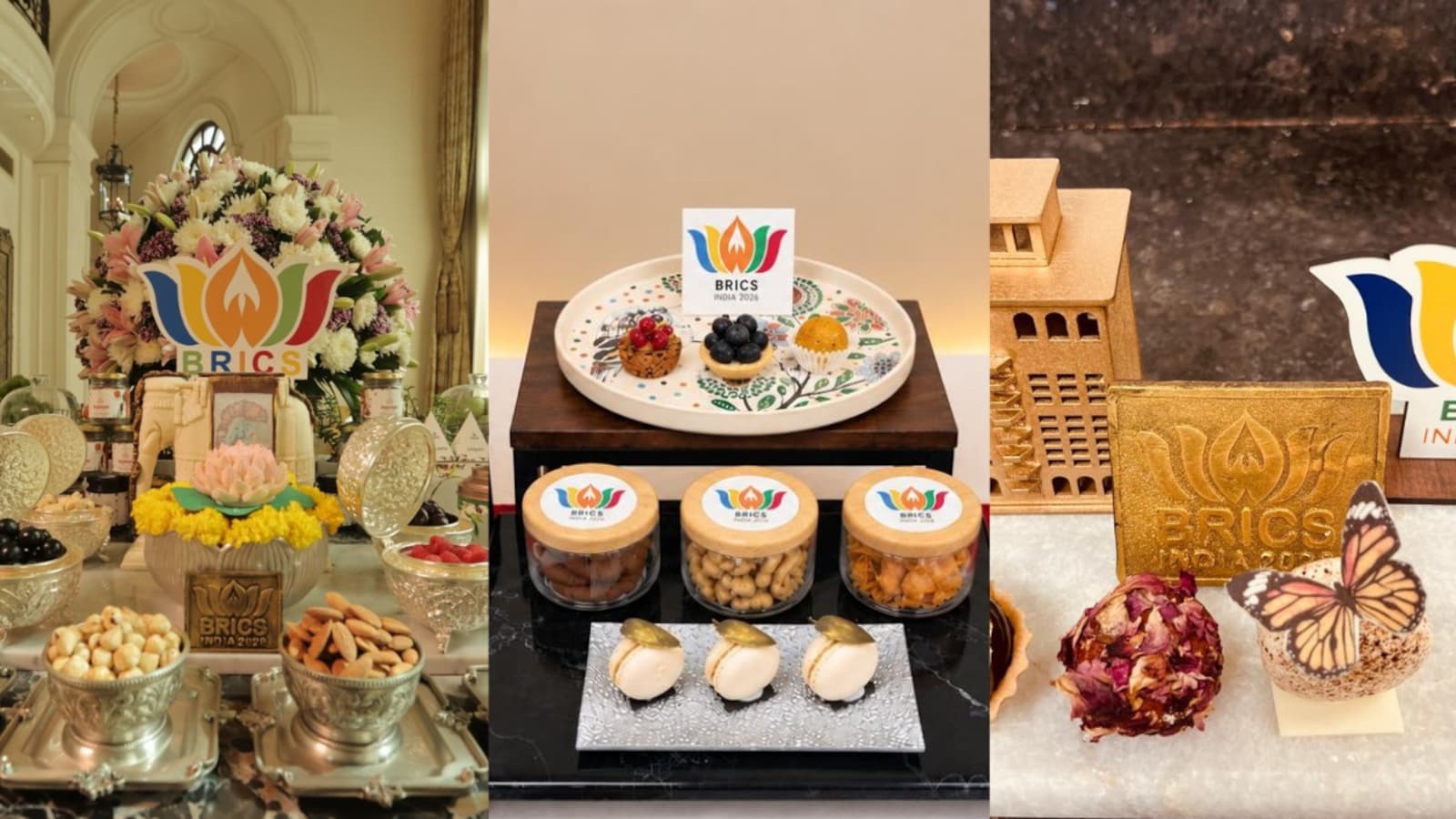
Leaders of the Congress criticized the BJP for offering a full vegetarian menu at the BRICS summit dinner, calling it an imposition of dietary preferences. The menu included items like paneer and mushrooms but lacked non-vegetarian options, which irked Congress leaders Rahul Gandhi and Pawan Khera. The BJP countered that the opposition was trivializing the event by focusing on food rather than policy outcomes.
On Sunday, Amit Shah, Union Home Minister, announced that BJP-led NDA governments in 21 states will introduce the Uniform Civil Code before 2029. He highlighted achievements like abolishing triple talaq and strengthening the criminal justice system. Shah also discussed national security measures, including ending Naxalism and establishing a zero-tolerance policy towards terrorism. He addressed questions on the National Register of Citizens (NRC) in Manipur and illegal Bangladeshi infiltrators, reiterating the government's resolve to deport them.
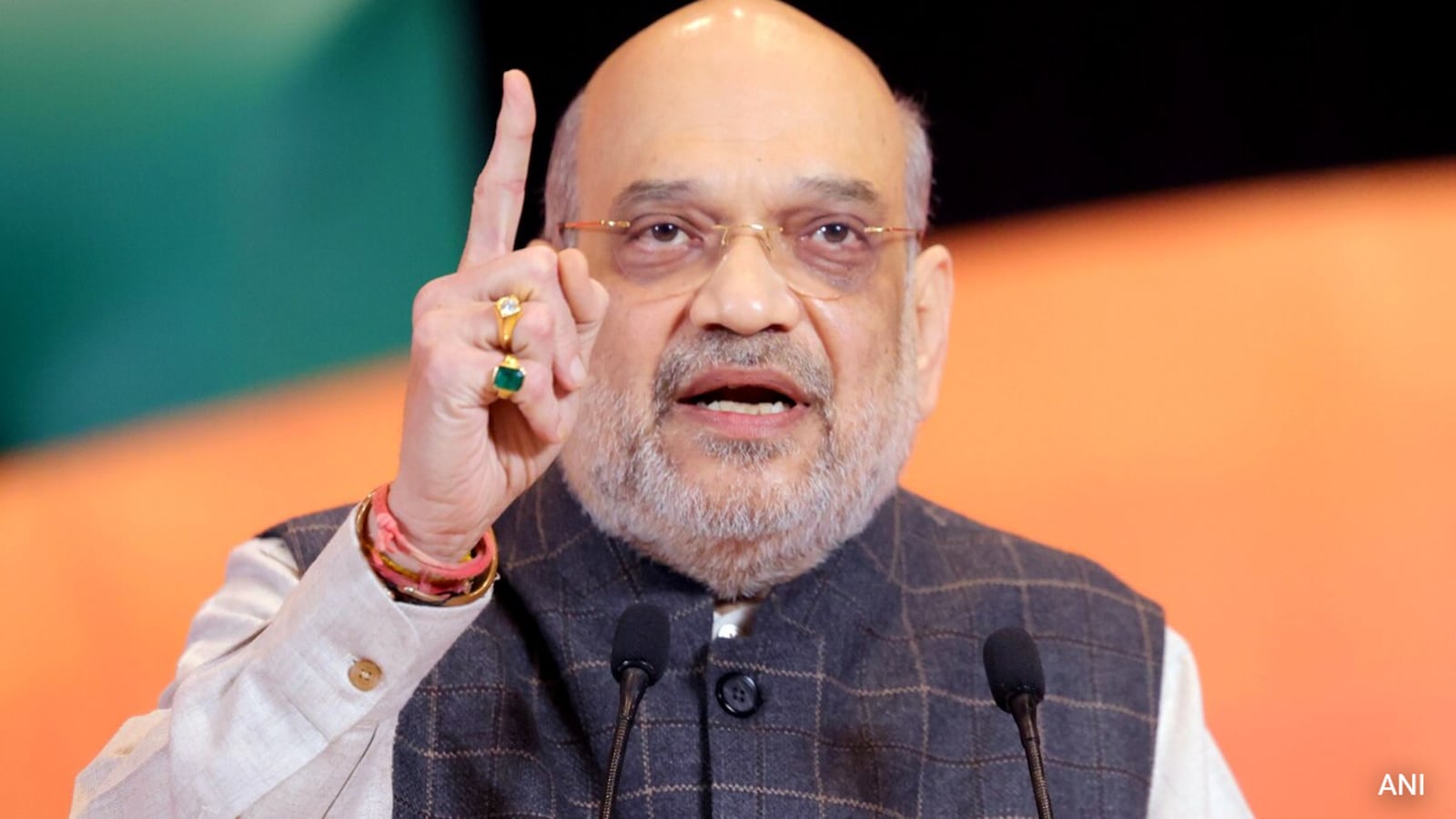
Amit Shah, Union Home Minister, announced the 'Seva Sankalp Abhiyan' from September 17 to October 17 to mark Narendra Modi's birthday and 25 years in public office. The campaign aims to promote people’s participation in making India a developed country by 2047 through various programs, highlighting economic growth, welfare schemes, and infrastructure development.
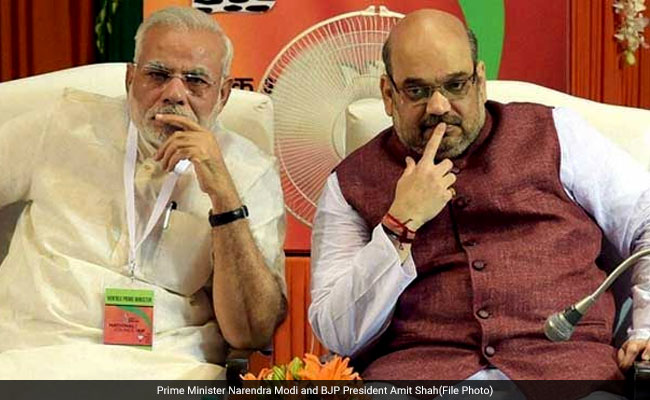
This weekend in Delhi, Indian Prime Minister Narendra Modi hosted the Brics summit with leaders including Chinese President Xi Jinping, Russian President Vladimir Putin, Iran's President Masoud Pezeshkian, Abu Dhabi's Crown Prince Sheikh Khaled bin Mohamed bin Zayed Al Nahyan, and South African President Cyril Ramaphosa. Despite historical tensions among members, they agreed on a joint declaration emphasizing "maximum restraint" in conflicts but avoided naming specific countries or issues like Russia’s war in Ukraine. The summit aimed to reshape global ties while minimizing Western influence but faced challenges achieving clear outcomes.

On September 13, 2026, Kapil Sibal, a Rajya Sabha MP, referred to himself as a 'Dimagi Naxal' while speaking at a talk in Kochi on 'Horse Trade and Democracy'. The term was coined by Prime Minister Narendra Modi to warn about ideological sympathizers of Naxalism. Mr. Sibal criticized horse trading as a constitutional crisis that undermines democracy, comparing it to the manipulation involved in ancient horse sales. Published September 13, 2026.

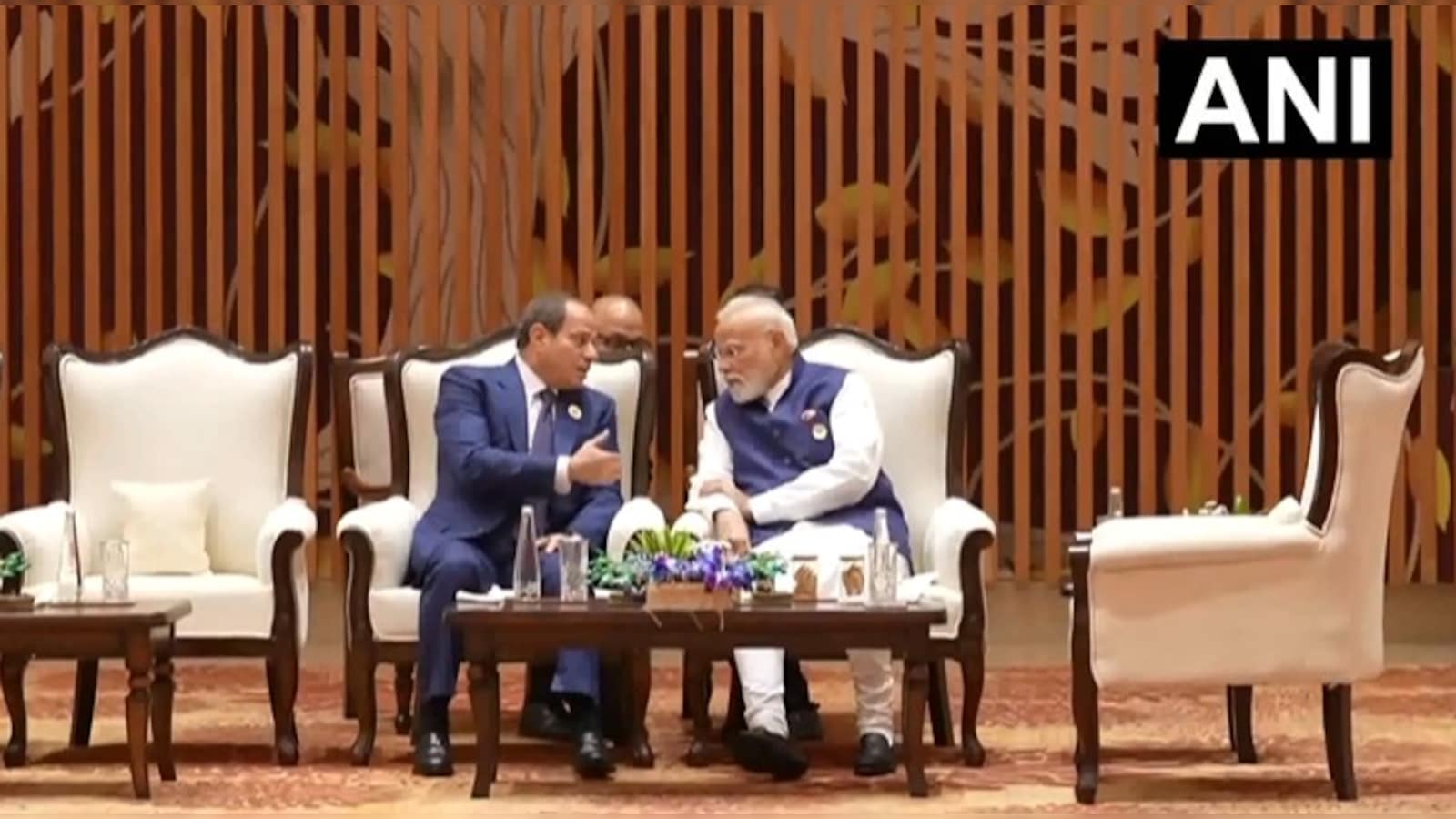
On Sunday, Prime Minister Narendra Modi met with Egyptian President Abdel Fattah El-Sisi in New Delhi during the 18th BRICS Summit. Egypt joined BRICS as a full member in January 2024 and El-Sisi also met Russian President Vladimir Putin on Saturday. Earlier, Egyptian Foreign and Justice Ministers visited India for BRICS meetings. Modi highlighted growing trust of Global South nations in BRICS at the summit session focused on inclusive global growth.
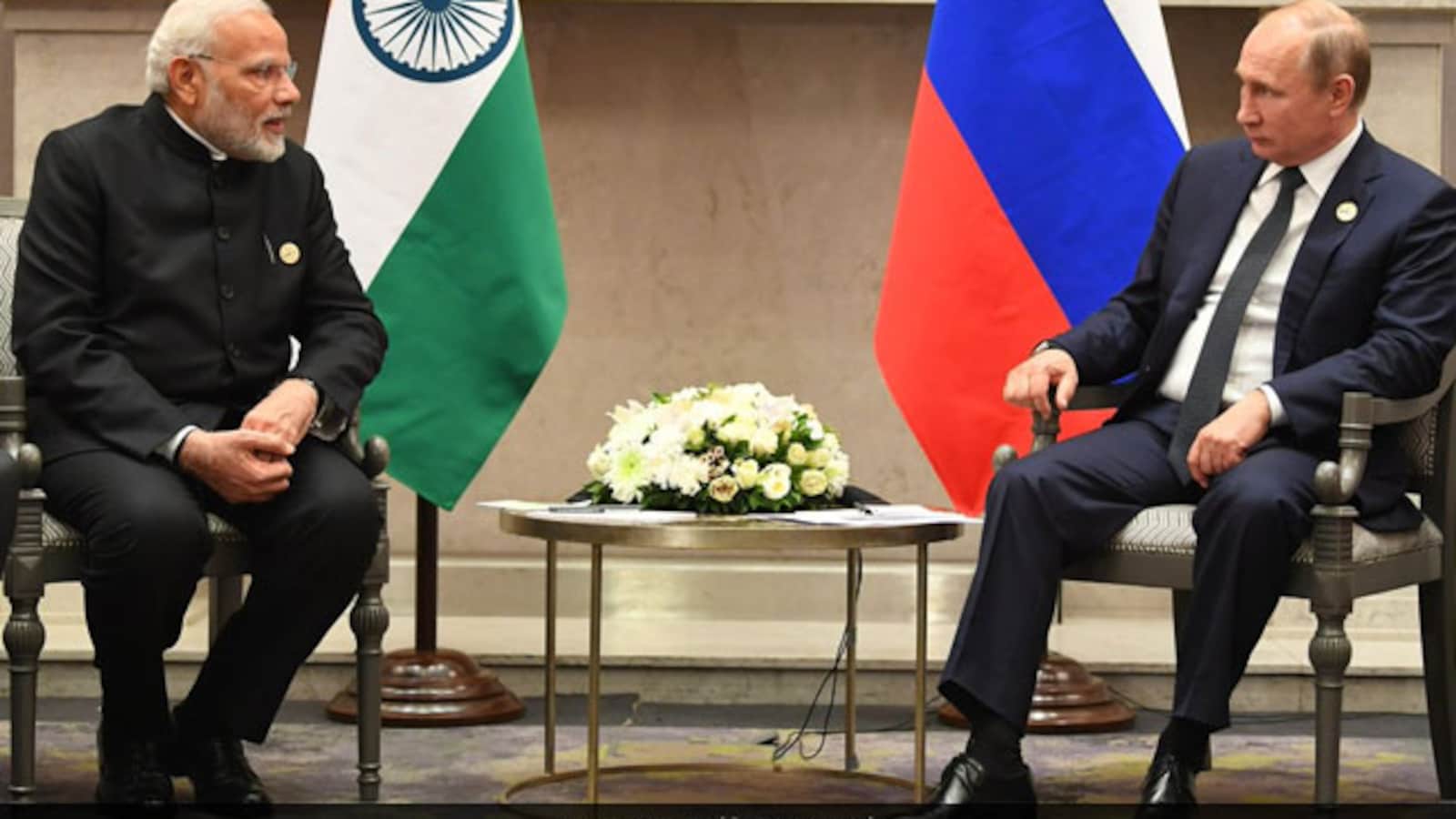
On September 11 in Delhi, Prime Minister Narendra Modi met with Russian President Vladimir Putin, discussing political, economic, and defence cooperation amid geopolitical uncertainty. They reviewed conflicts in the Middle East and Black Sea, emphasizing maritime trade security and Indian seafarer safety. The leaders welcomed the INNOPROM India exhibition to boost bilateral trade and discussed implementing the Programme for Economic Cooperation 2030, aiming for $100 billion in trade by 2030. Putin highlighted BRICS as a platform for economic cooperation amid global sanctions and disruptions, while Modi stressed dialogue and diplomacy for conflict resolution.
On September 12, 2026, the first day of the 18th BRICS Summit in New Delhi saw negotiators reach a consensus on the New Delhi Declaration, calling for "maximum restraint" without mentioning U.S. strikes or Russia's war in Ukraine. Chinese President Xi Jinping skipped the gala dinner hosted by Indian Prime Minister Modi, while Malaysian PM Anwar Ibrahim performed a Bollywood song. The dinner featured Indian cuisine and cultural performances.

On Saturday, Stéphane Dujarric, spokesperson for UN Secretary-General António Guterres, backed Narendra Modi's call to reform the UN Security Council at the 18th BRICS Summit. PM Modi proposed transforming global governance from a "pyramid" to a "platform of partnership." The New Delhi Declaration, adopted during the summit, emphasized reforms for equitable representation and responsiveness in international institutions, including the UN Security Council.
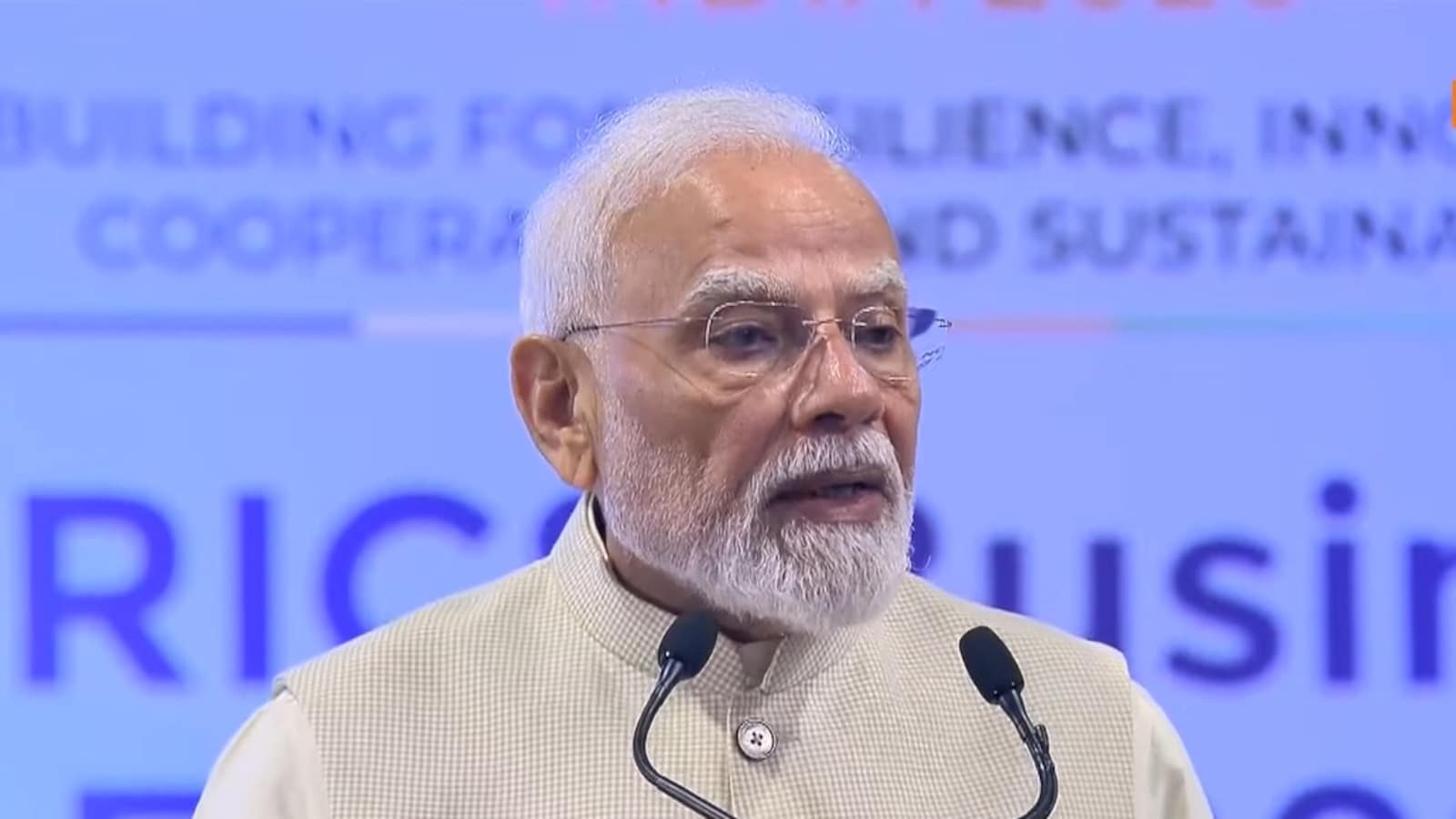
At the BRICS Summit 2026 in New Delhi, Prime Minister Narendra Modi announced the adoption of the 'New Delhi Declaration', which expresses serious concern over attacks on civilian infrastructure and peaceful nuclear facilities. The declaration emphasizes upholding nuclear safety and security, especially during armed conflicts. Key leaders like Chinese President Xi Jinping, Russian President Vladimir Putin, and others attended, overcoming differences to reach consensus without naming specific countries involved in recent conflicts.
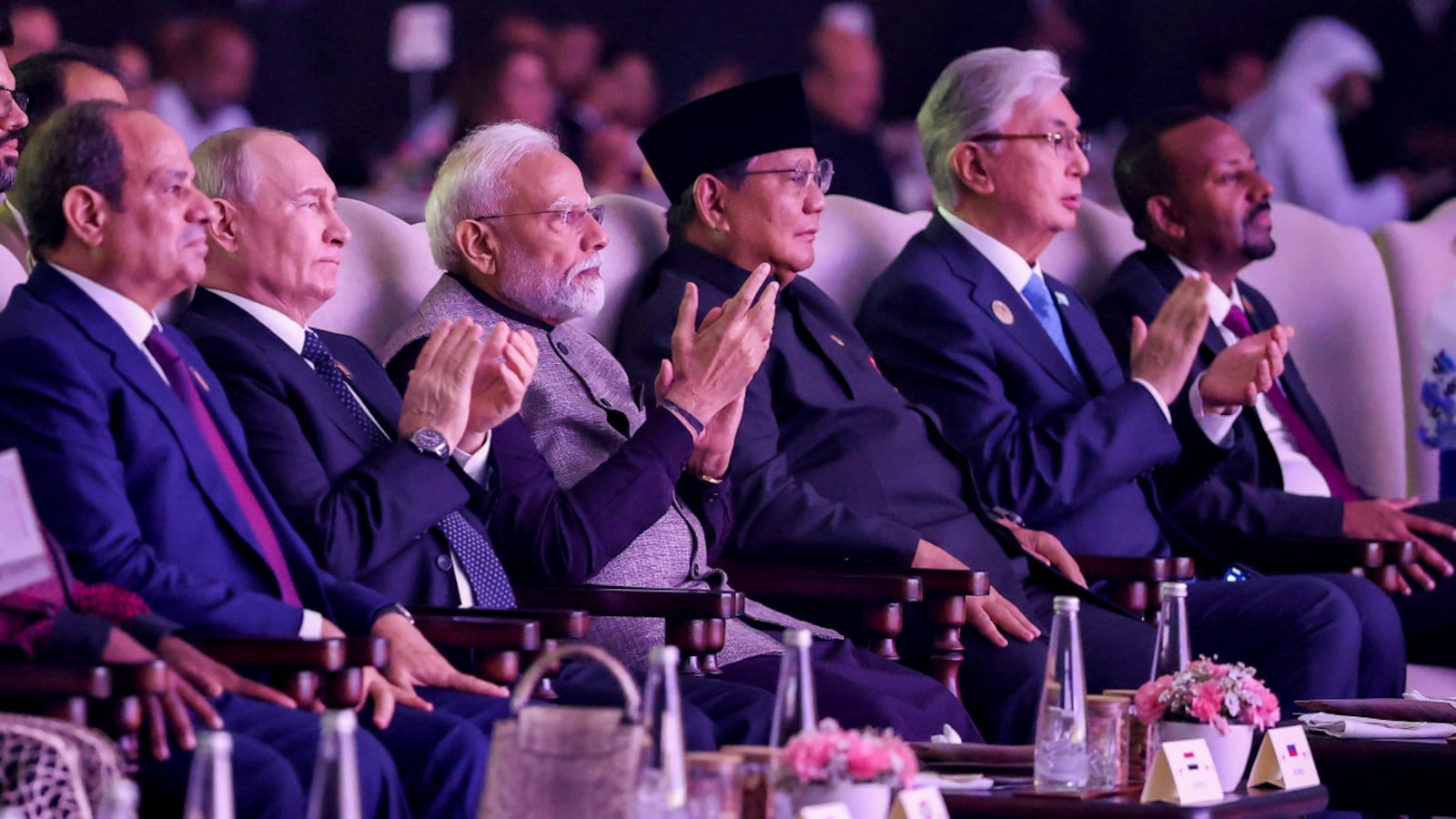
At the BRICS Summit 2026 in New Delhi on September 12, 2026, Prime Minister Narendra Modi announced the adoption of the 'New Delhi Declaration', expressing serious concern over attacks on civilian infrastructure and peaceful nuclear facilities under IAEA safeguards. The declaration also highlighted growing nuclear dangers and called for upholding disarmament efforts. Key leaders present included Chinese President Xi Jinping, Russian President Vladimir Putin, Iranian President Masoud Pezeshkian, and Abu Dhabi Crown Prince Mohamed bin Zayed Al Nahyan.

On September 13, 2026, global leaders including Russian President Vladimir Putin, Chinese President Xi Jinping, Iranian President Masoud Pezeshkian, and Abu Dhabi Crown Prince Mohamed bin Zayed Al Nahyan attended the second day of the BRICS Summit in New Delhi. Prime Minister Narendra Modi welcomed several heads of state. The summit addressed nuclear safety concerns amid geopolitical tensions highlighted by the Russia-Ukraine war and new U.S. tariffs. Over 30 Tibetan Youth Congress members were detained during a protest against the Chinese delegation. The United Nations Secretary-General also attended, thanking Modi for his warm welcome.

On September 12, 2026, Iranian President Masoud Pezeshkian and the Crown Prince of Abu Dhabi, Khaled bin Mohamed bin Zayed Al Nahyan, held talks in New Delhi on de-escalation following recent hostilities. They discussed regional tensions and supported peace efforts during the 18th BRICS Summit, where the 'New Delhi Declaration' expressed concern over West Asia conflicts without naming specific parties.

On September 11, 2026, Guru Dhaldas Saheb, leader of the Satnami community and brother of Chhattisgarh Minister, joined the Congress party at former Chief Minister Bhupesh Baghel's residence. Comprising about 13% of Chhattisgarh’s population, the Satnamis are the largest Scheduled Castes group. Dhaldas cited BJP's deviation from Baba Ghasidas' principles and expressed interest in contesting elections if given a chance by Congress. His younger brother Guru Khushwant Saheb is a BJP leader.

On September 12, 2026, Prime Minister Narendra Modi hosted a gala dinner at the Bharat Mandapam in Delhi for BRICS Summit leaders including Chinese President Xi Jinping and Russian President Vladimir Putin, serving dishes like 'paneer lababdar', 'gucchi marmik', and desserts such as 'shahtoot phirni'. The menu featured traditional Indian delicacies accompanied by cultural performances.

At a BRICS leaders' meeting, including Prime Minister Narendra Modi and Russian President Vladimir Putin, calls were made for deeper economic cooperation and resilient supply chains. With 85% of global rare earth reserves (China alone has nearly half), 40.7% of oil reserves, and 57.4% of food production, BRICS aims to reduce dependence on traditional trade networks through initiatives like the International North-South Transport Corridor.
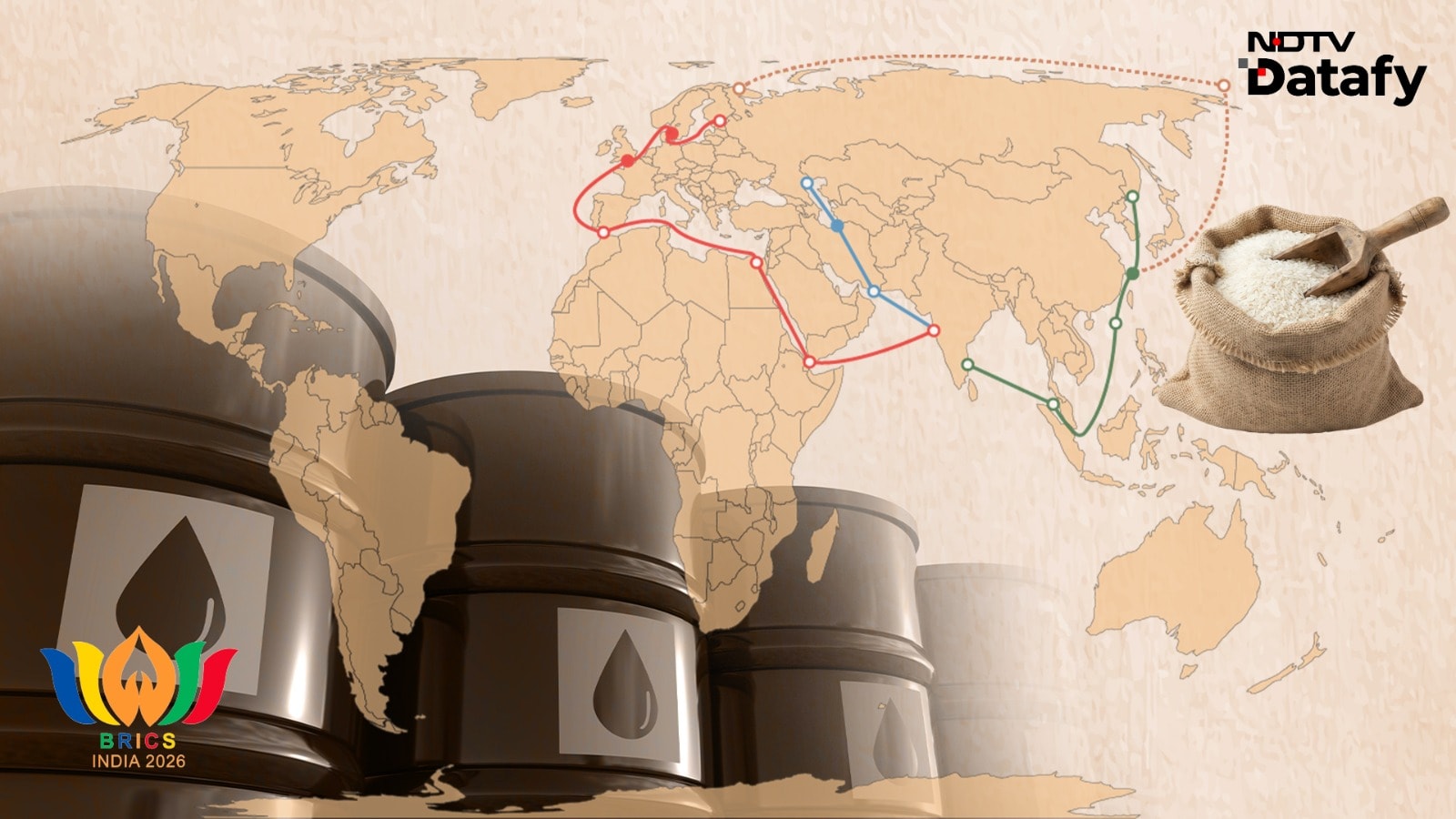
At the 18th BRICS Summit in New Delhi, Prime Minister Narendra Modi chaired discussions among eleven full member states including Russia and China. The summit addressed global issues like Ukraine and West Asia conflicts, adopting the 2026 BRICS New Delhi Declaration unanimously after overnight negotiations. Key topics included economic reforms, reducing dependence on the US dollar, and restructuring international institutions to give developing economies more voice.
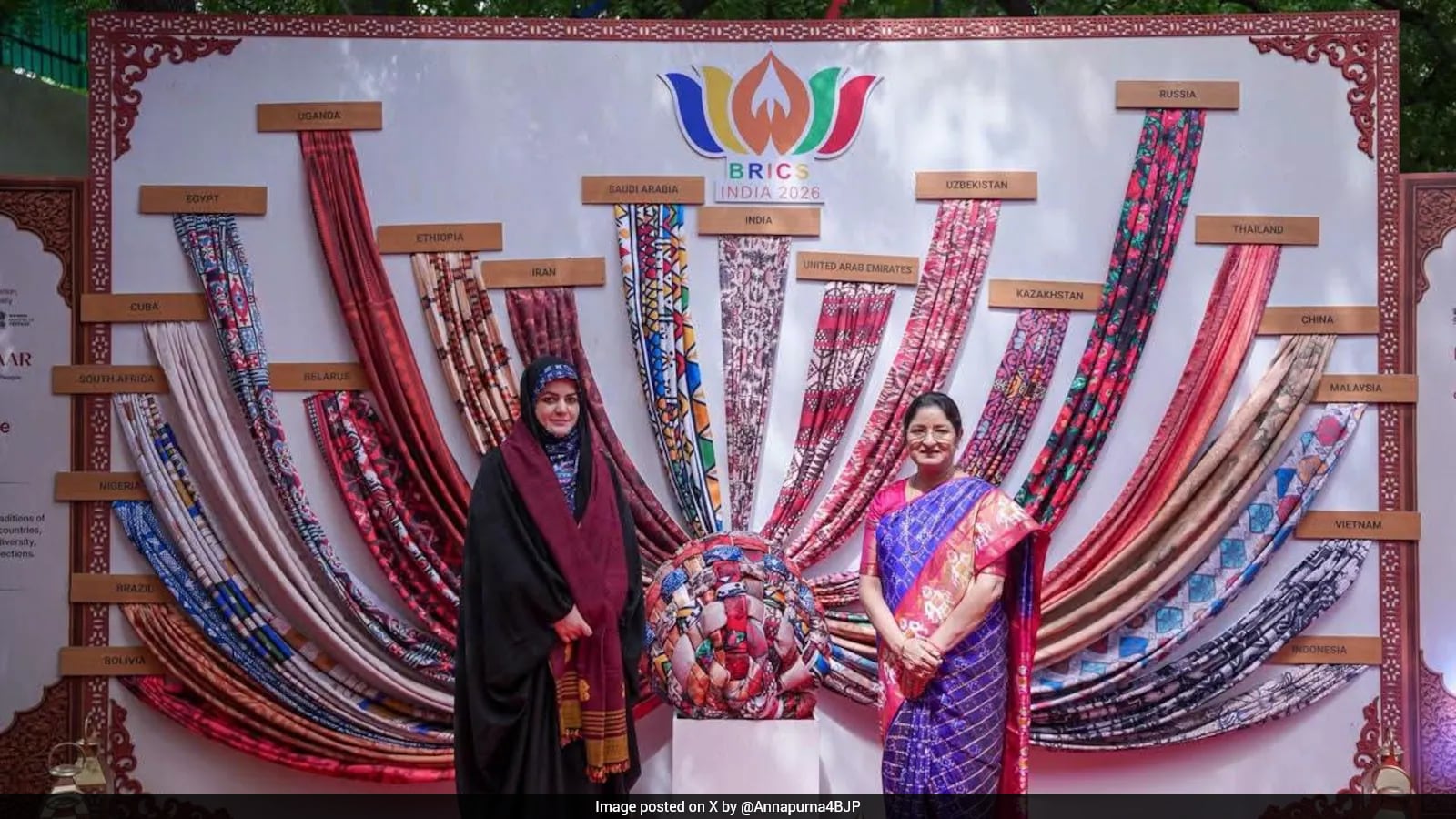
On Saturday, Zahra Pezeshkian, daughter of Iranian President Masoud Pezeshkian, visited the Pradhanmantri Sangrahalaya and BRICS Bazaar in New Delhi during the BRICS summit. She toured the museum showcasing India's Prime Ministers' legacies and explored cultural heritage at the bazaar, which features traditions from various BRICS countries. The summit, attended by leaders including Narendra Modi, runs September 12-13.
Former Gautam Bambawale, India's envoy to China, stated that Chinese President Xi Jinping's visit and bilateral meeting with Indian Prime Minister Narendra Modi on the sidelines of the BRICS summit in Delhi is crucial for improving ties. The leaders emphasized peace and tranquillity along borders but acknowledged significant work remains after years of tension due to military confrontations in Ladakh and Galwan. Bambawale noted this visit could lead to further discussions at official levels, potentially yielding positive outcomes over months despite the relationship still lagging behind pre-2019 levels.
On September 12, 2026, Prime Minister Narendra Modi welcomed BRICS leaders at the Bharat Mandapam in Rameswaram, Tamil Nadu, where the 18th BRICS Summit was held. The event featured a handshake and photo session against the backdrop of the iconic Ramanathaswamy temple. Leaders from India, Russia, China, and Iran participated, with Modi explaining the temple's significance to President Xi Jinping. The summit ran from September 12–13 and included leaders from 11 member countries and 10 partner nations.

On September 12, 2026, Koraput coffee, a brand from Odisha grown by tribal farmers, was distributed at the 18th BRICS Summit in New Delhi. The Ministry of External Affairs included a 250-gram packet of Tiger Bright coffee in kits for delegates and journalists. Chief Minister Mohan Charan Majhi welcomed this recognition as part of the 'Vocal for Local' initiative, highlighting its potential to access wider markets. This move showcased Odisha’s local produce on an international platform.

At the 18th BRICS Summit in New Delhi, Prime Minister Narendra Modi called for transforming global governance to give equal voice to all nations, proposing 10 reform proposals by the next summit. He emphasized strengthening BRICS while clarifying they are not against anyone and highlighted the group's growing economic significance compared to G7. Modi also proposed a 'BRICS Continuity and Implementation Mechanism' and called for UN Security Council reforms.
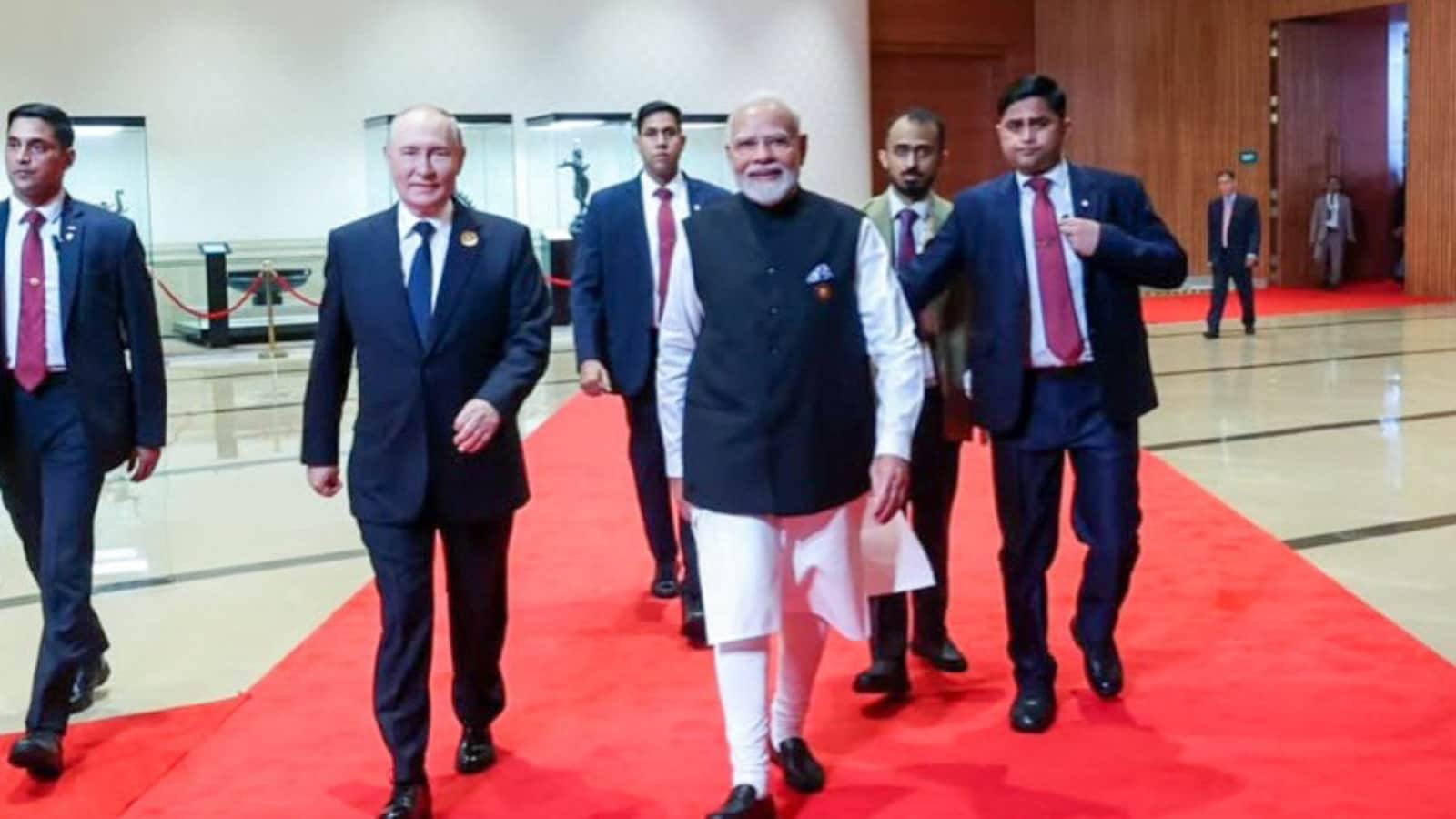
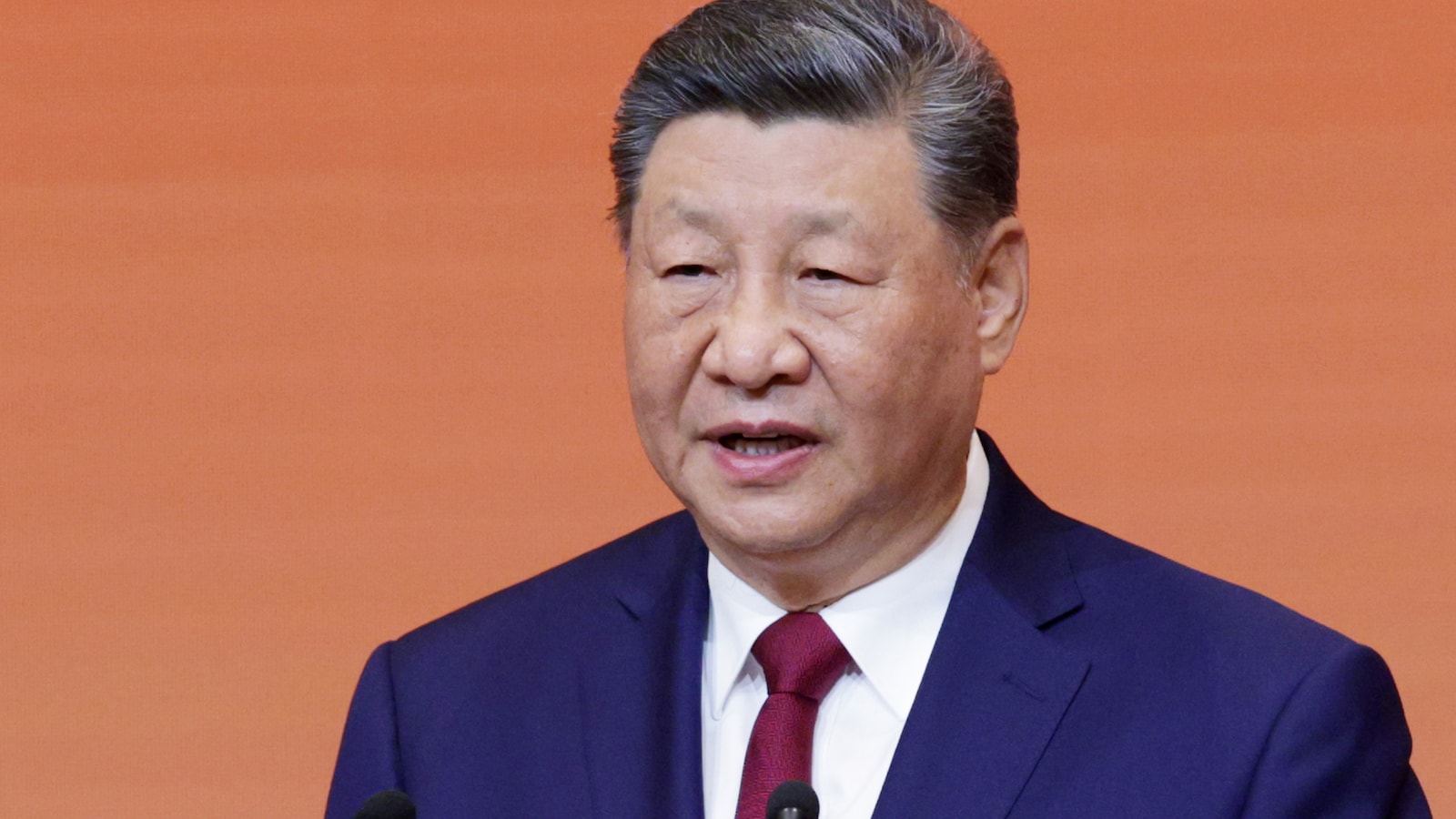
At the BRICS Summit in New Delhi, Chinese President Xi Jinping commented on the Middle East conflict, stating it harms regional people and international interests. He urged BRICS nations to support multilateral trade, reject protectionism, and oppose sovereignty violations. Xi also proposed deepening AI cooperation and advancing new industrialization using this technology. PM Modi echoed calls for global reform and a voice for developing countries. Xi and PM Narendra Modi will meet bilaterally to discuss trade issues and border tensions.
Prime Minister Anwar Ibrahim acknowledged overlapping maritime claims with China as a concern for Malaysia during talks on a regional code of conduct in the South China Sea. Speaking to NDTV, he noted ongoing negotiations are constructive despite conflicting claims and emphasized ASEAN's push for a formal code of conduct, which Beijing has responded positively to. Anwar highlighted the need for clearer practical measures beyond the 1982 UNCLOS framework. He was speaking at the BRICS Summit in New Delhi, where maritime security was a key topic.
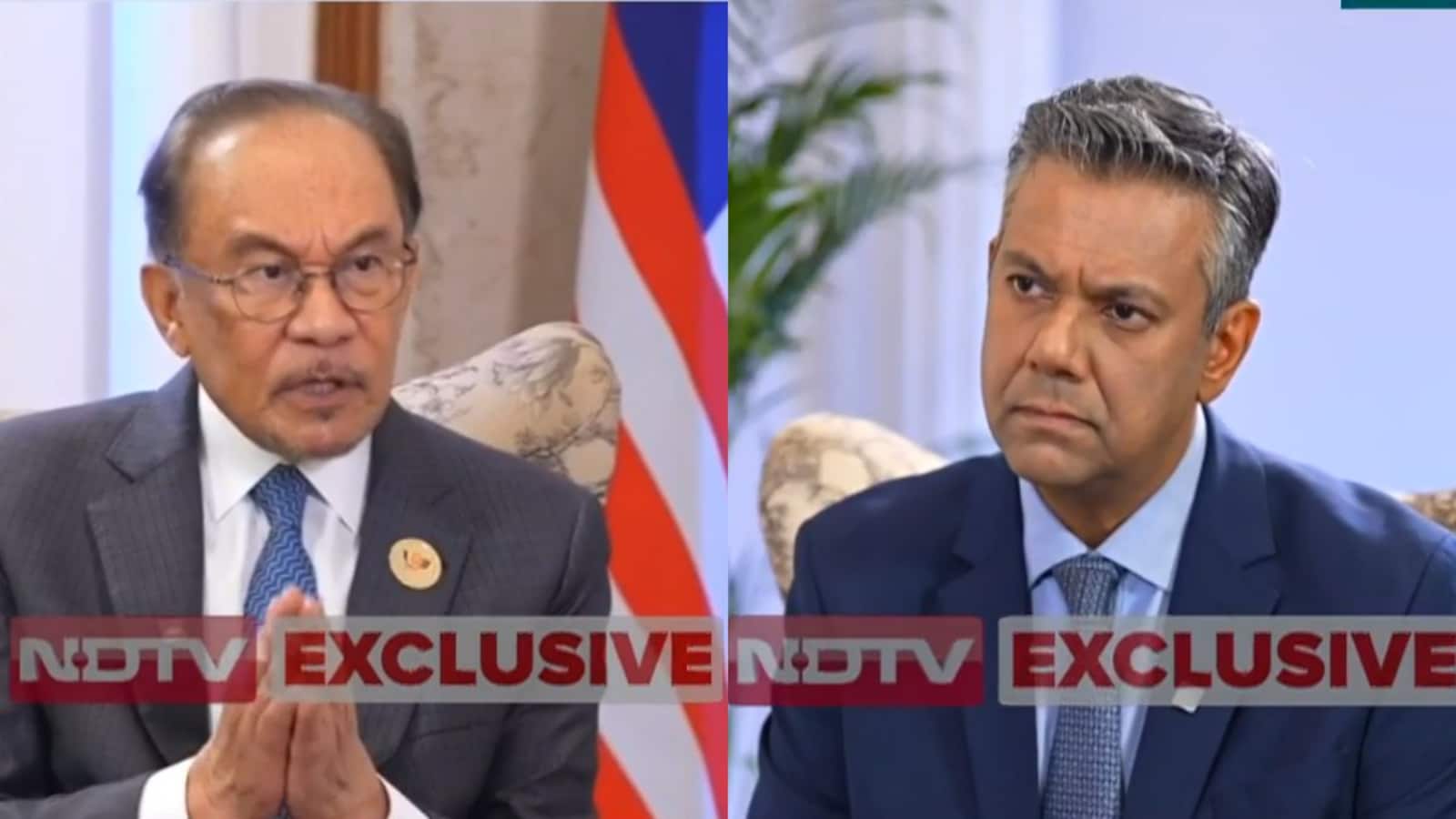
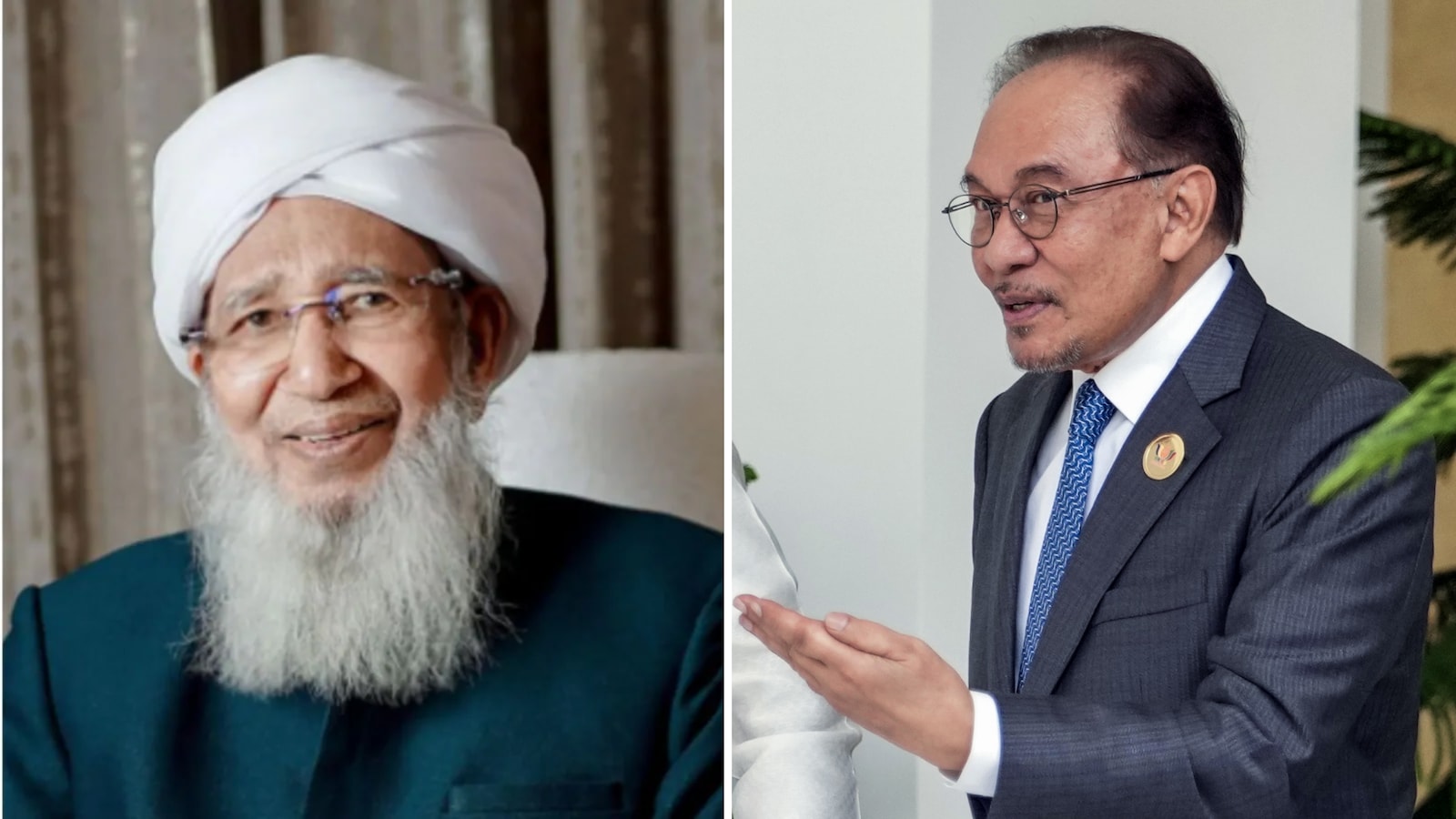
Malaysian Prime Minister Anwar Ibrahim stated he disagrees with Kerala-based Islamic cleric Kanthapuram AP Aboobacker Musliar's views that women should remain confined to their homes, ahead of their meeting in Kozhikode. Ibrahim emphasized Malaysia guarantees equal rights for women and highlighted the importance of female education and opportunities. He made these remarks during an interview with NDTV on the sidelines of the BRICS Summit in New Delhi.
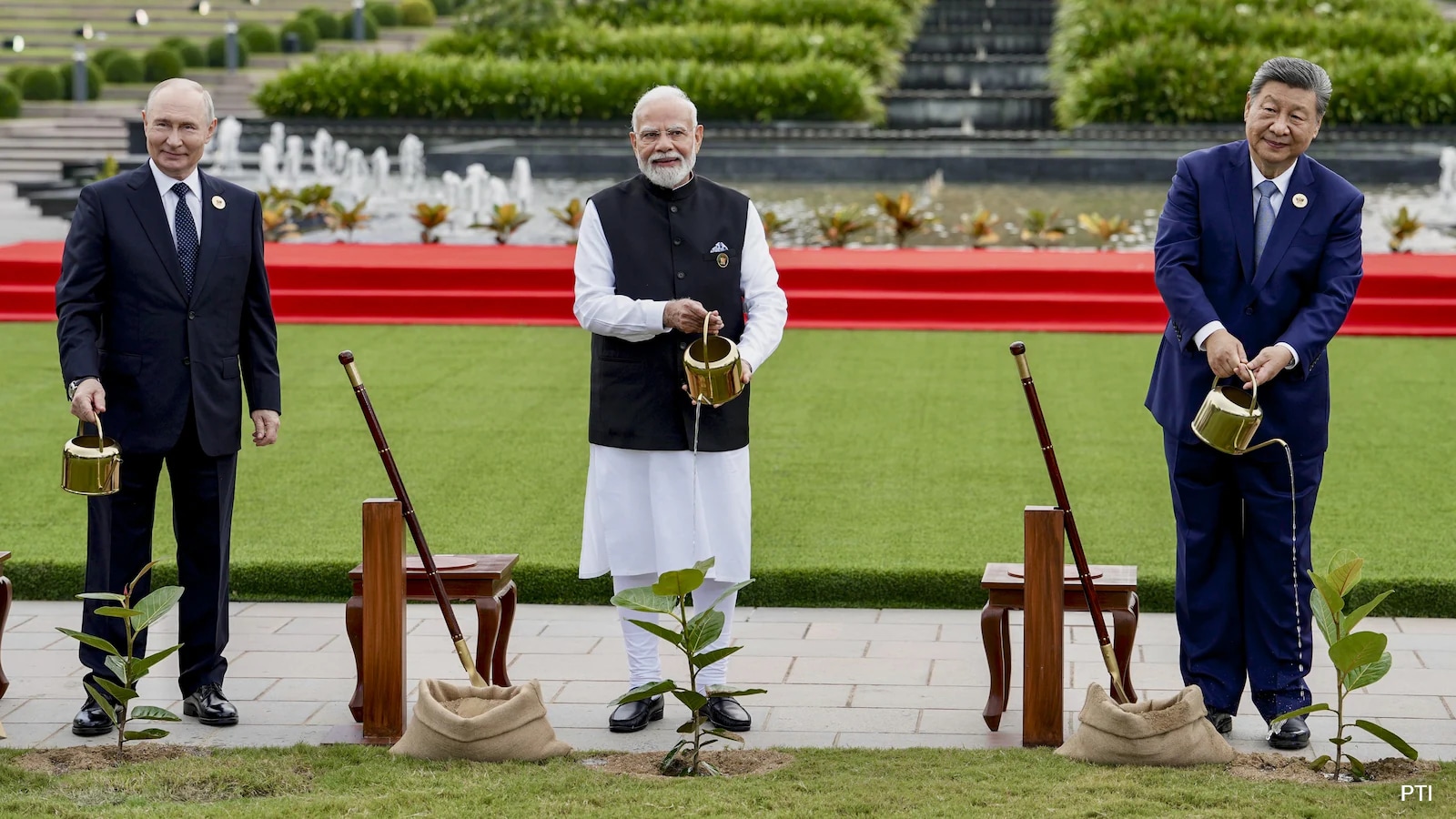
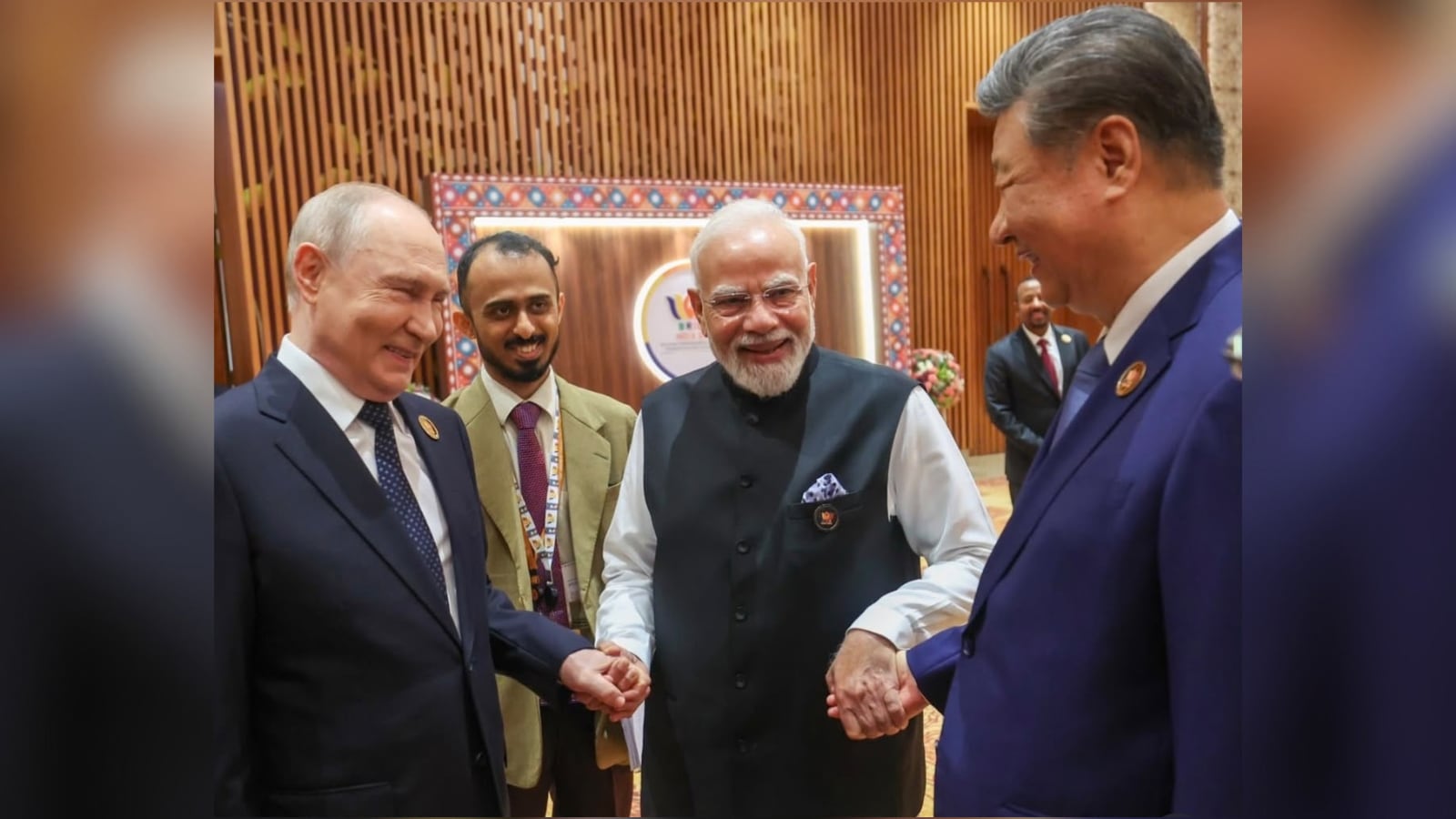
At the BRICS summit in Delhi, Prime Minister Narendra Modi shared a photo with Russian President Vladimir Putin, Chinese President Xi Jinping, Iranian President Masoud Pezeshkian, and Indonesian Prime Minister Prabowo Subianto. The summit began with PM Modi's call for the Global South to be key decision-makers and saw the adoption of the Delhi declaration condemning terror and unilateral acts of war after intensive negotiations. PM Modi held bilaterals with Putin on cooperation in various domains and is expected to discuss border issues, trade, and investment with Jinping.
At the 18th BRICS Summit in New Delhi on Saturday, Prime Minister Narendra Modi announced that leaders unanimously adopted the New Delhi Declaration 2026. The declaration calls for reforming multilateral institutions, including updating the United Nations Security Council, rejects unilateral acts of war, and emphasizes safeguarding seafarers and commercial shipping routes amid Middle East tensions.
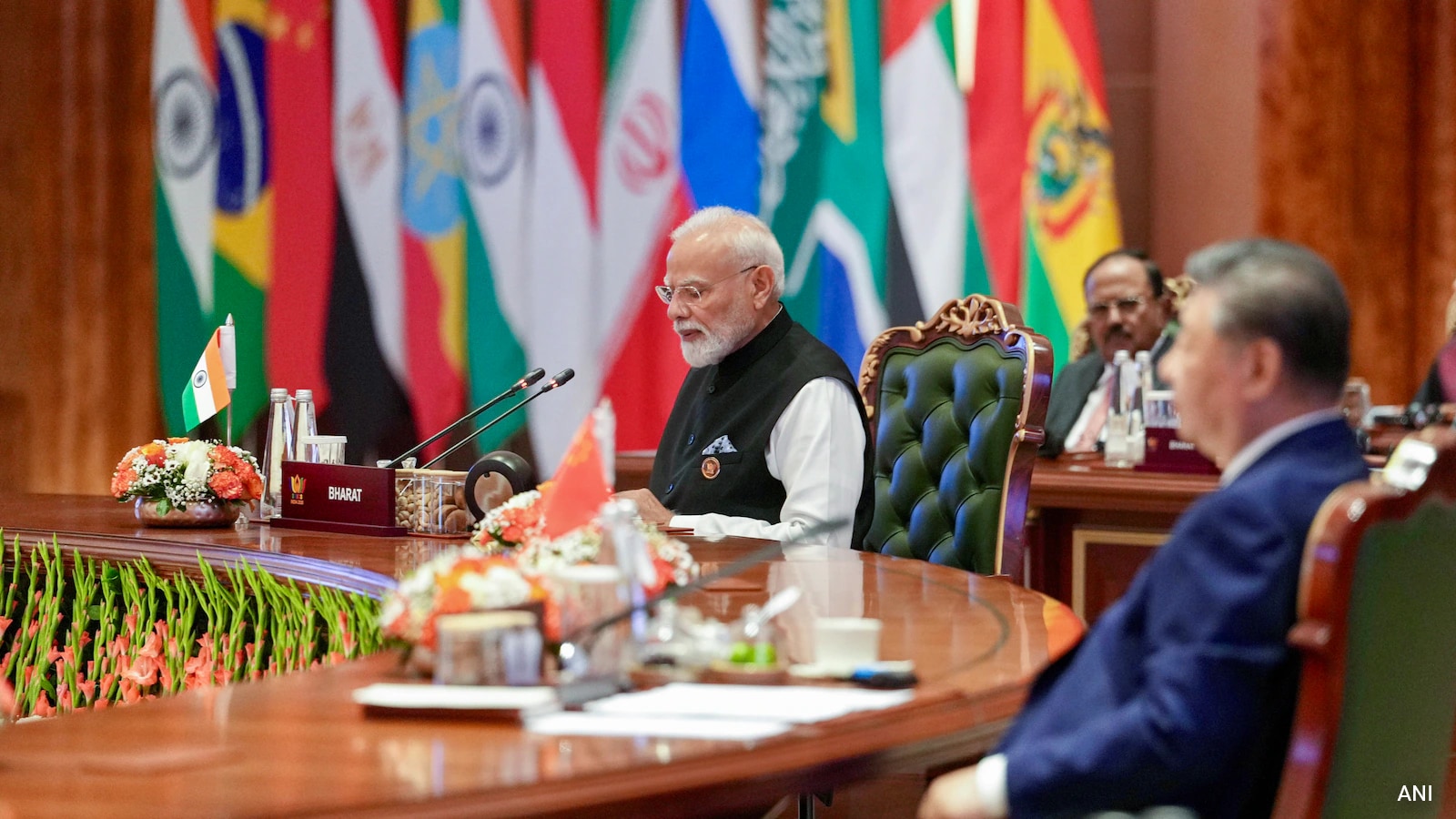
On Saturday, Prime Minister Narendra Modi announced the New Delhi Declaration at the BRICS summit in New Delhi. The declaration called for UN Security Council reforms to include more developing countries and condemned terrorism and unilateral acts of war. It also stressed intra-BRICS trade in local currencies and supported WTO reform. Russia and China backed India's bid for a greater role in the UN, including on the UNSC. The document condemns recent terror attacks and urges equal Global South participation in technology development.
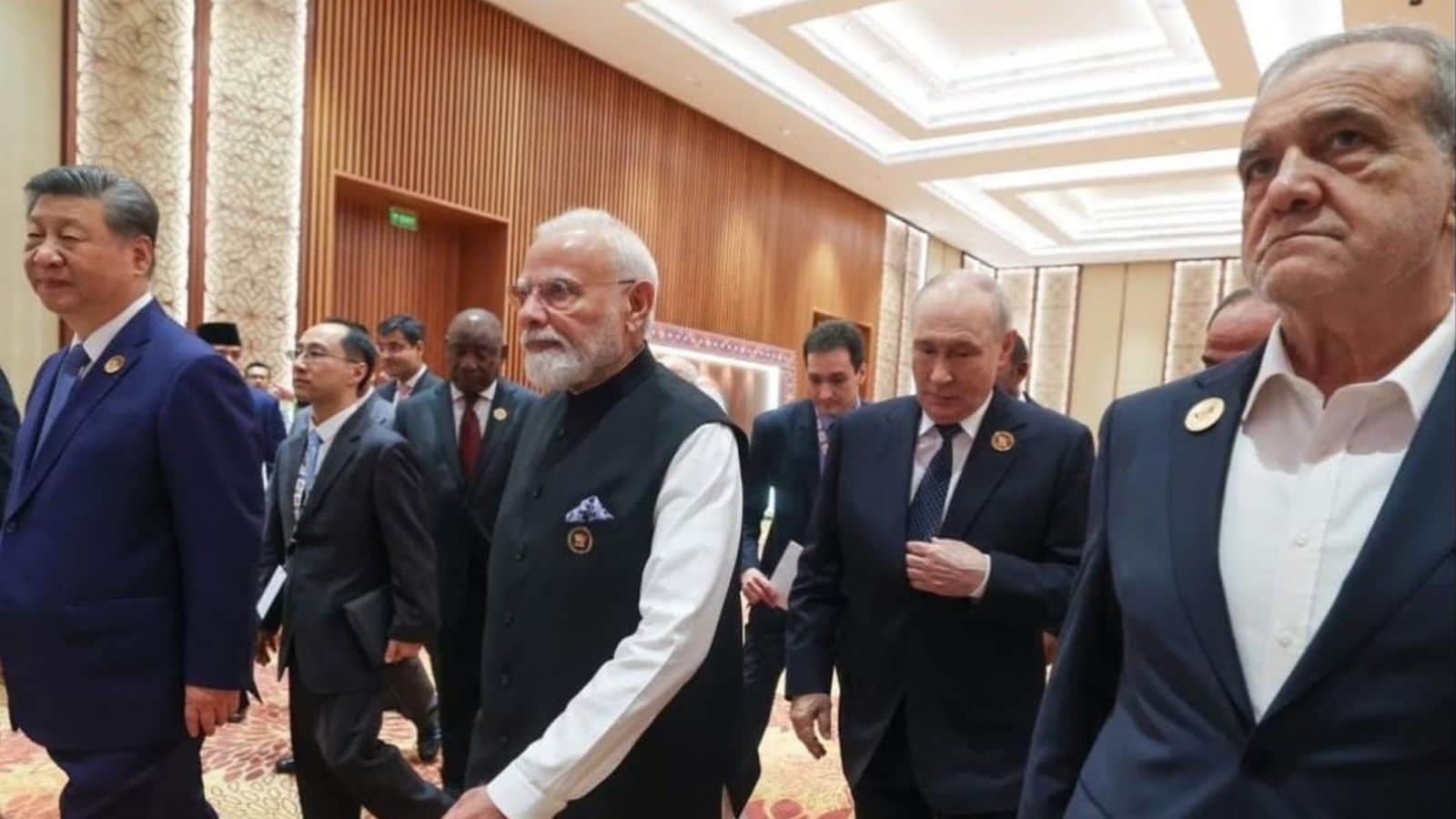
At the BRICS summit in New Delhi, Prime Minister Narendra Modi held meetings with Russian President Vladimir Putin, Iranian President Masoud Pezeshkian, and Chinese President Xi Jinping. These discussions reflect India's strategy of deepening ties with Russia, preserving strategic space with Iran, and stabilizing relations with China while maintaining independence from any single geopolitical center. BRICS, now an 11-member group representing a significant share of global GDP, aims to enhance development finance and connectivity without opposing the West directly.
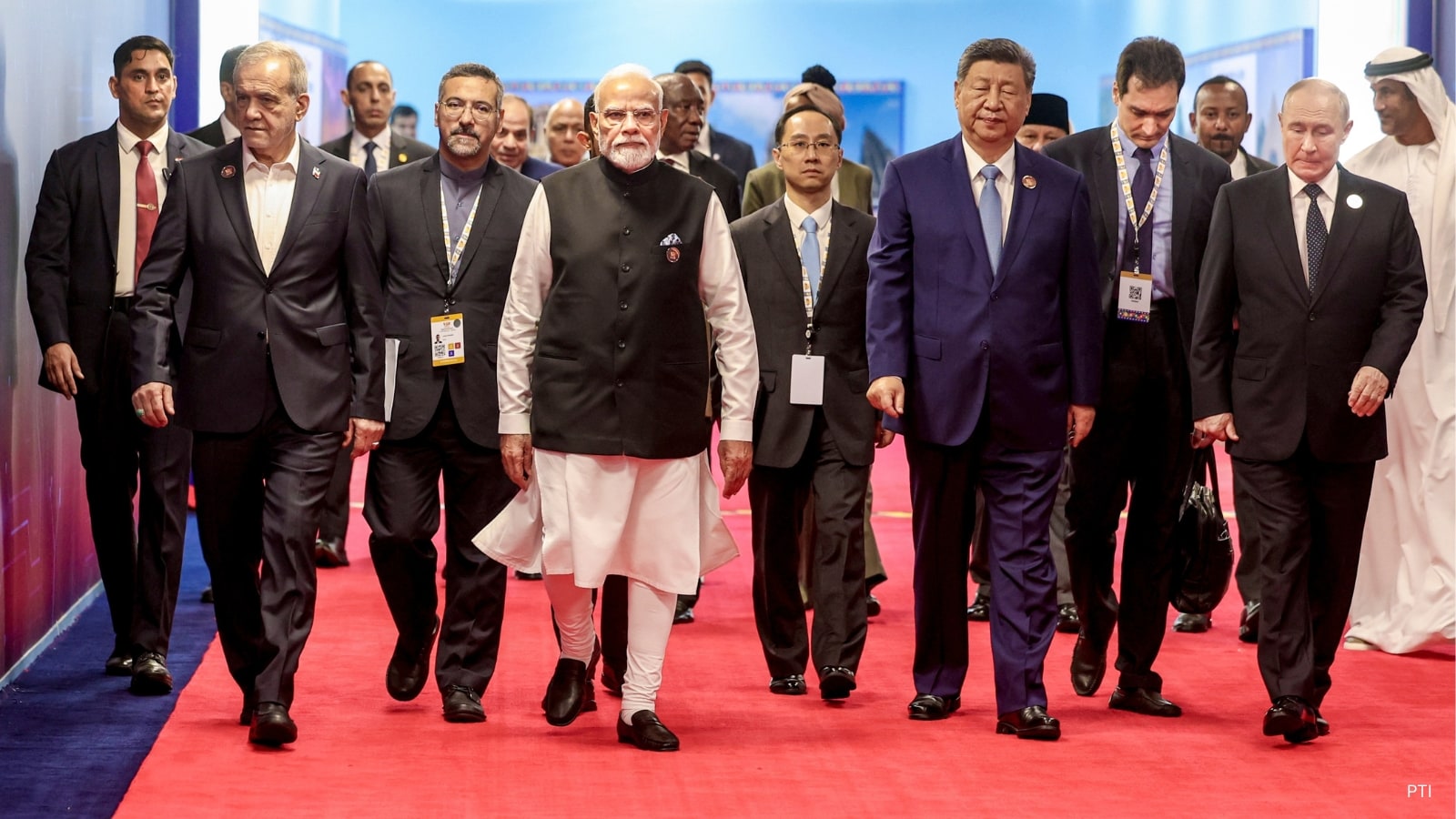
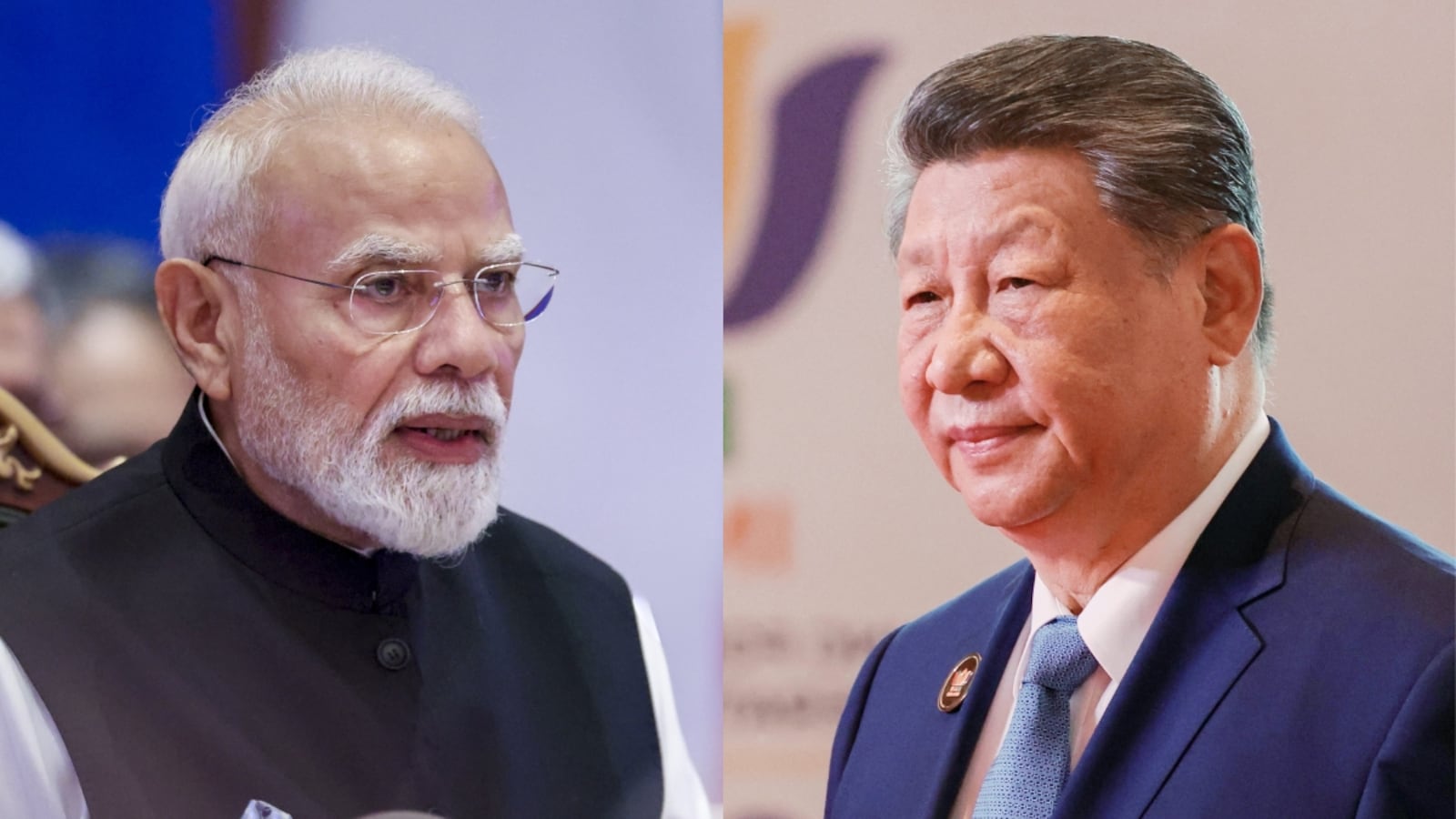
On the sidelines of the BRICS Summit in New Delhi, Chinese President Xi Jinping met with Prime Minister Narendra Modi, marking Xi's first visit to India in seven years. They discussed border issues, trade, and investment, emphasizing mutual support and cooperation. Both leaders highlighted the importance of peace along the Line of Actual Control and stressed their commitment to fostering bilateral relations.
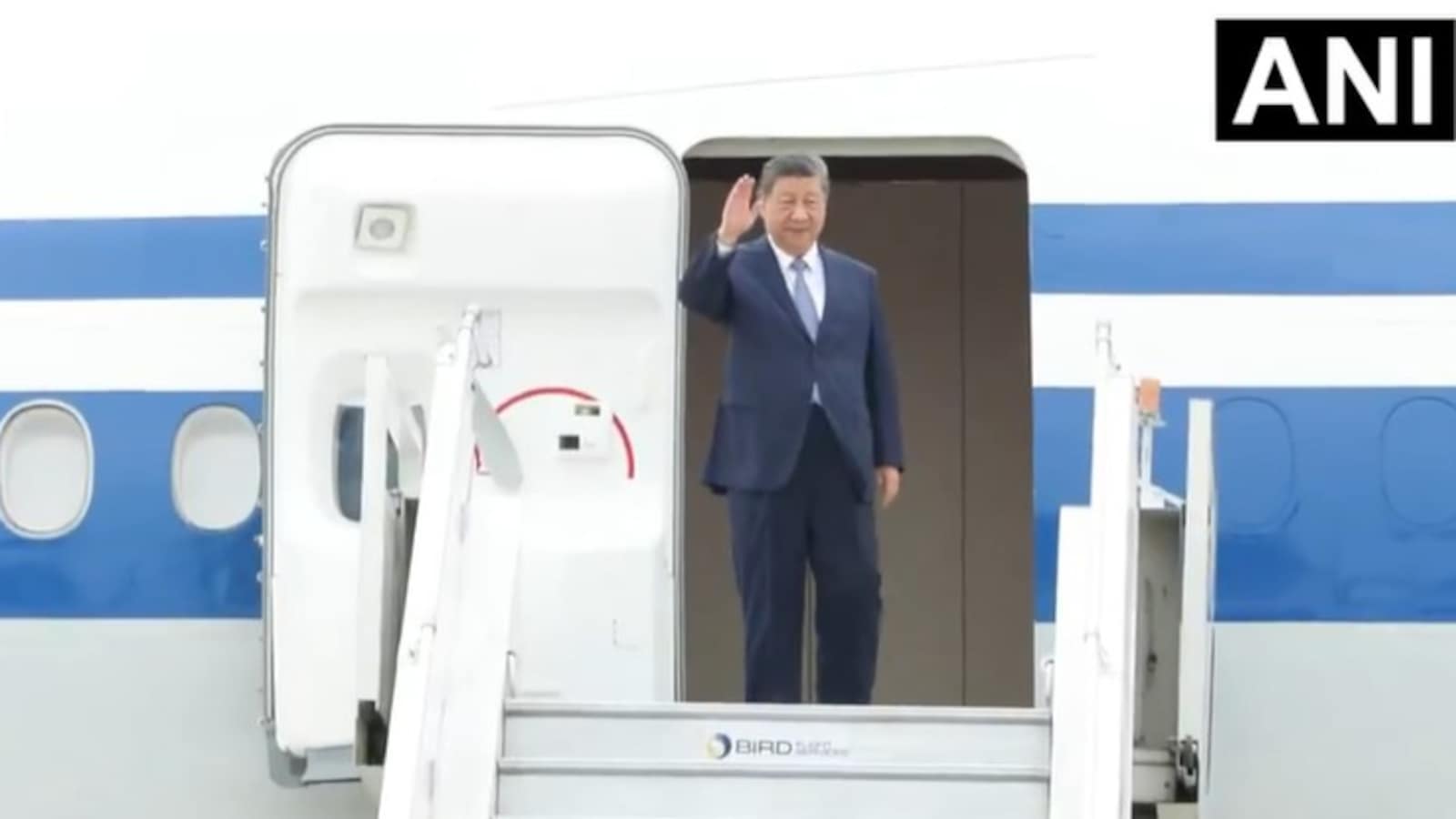
On Saturday, Chinese President Xi Jinping arrived in Delhi for a one-day visit to attend the BRICS Summit and hold bilateral talks with Prime Minister Narendra Modi, focusing on trade and investment. Security measures included no-fly zones, extensive checks, and deployment of 15,000 police personnel and 200 paramilitary companies. Xi Jinping will stay at Taj Palace hotel and travel in a modified Boeing 747-8 aircraft equipped with secure communications systems. He is scheduled to leave on Sunday morning.
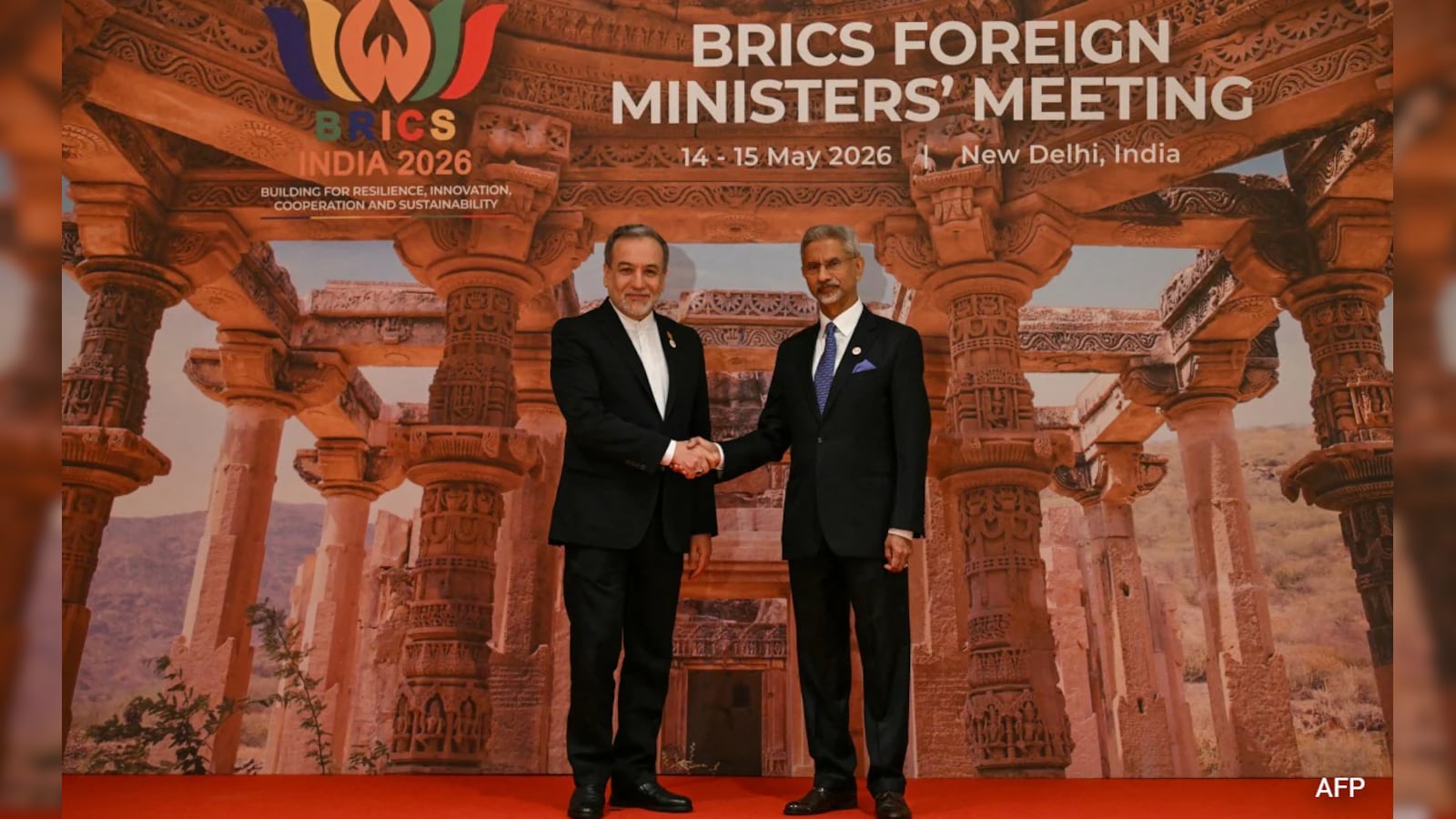
At the BRICS summit, India aims to mediate a truce between Iran and the UAE, both of which are member states. The conflict has negatively impacted India's energy supplies and economy. With support from Iranian President Masoud Pezeshkian and former UAE Ambassador Hussain Hassan Mirza, India seeks to stabilize the region, leveraging its diplomatic standing.
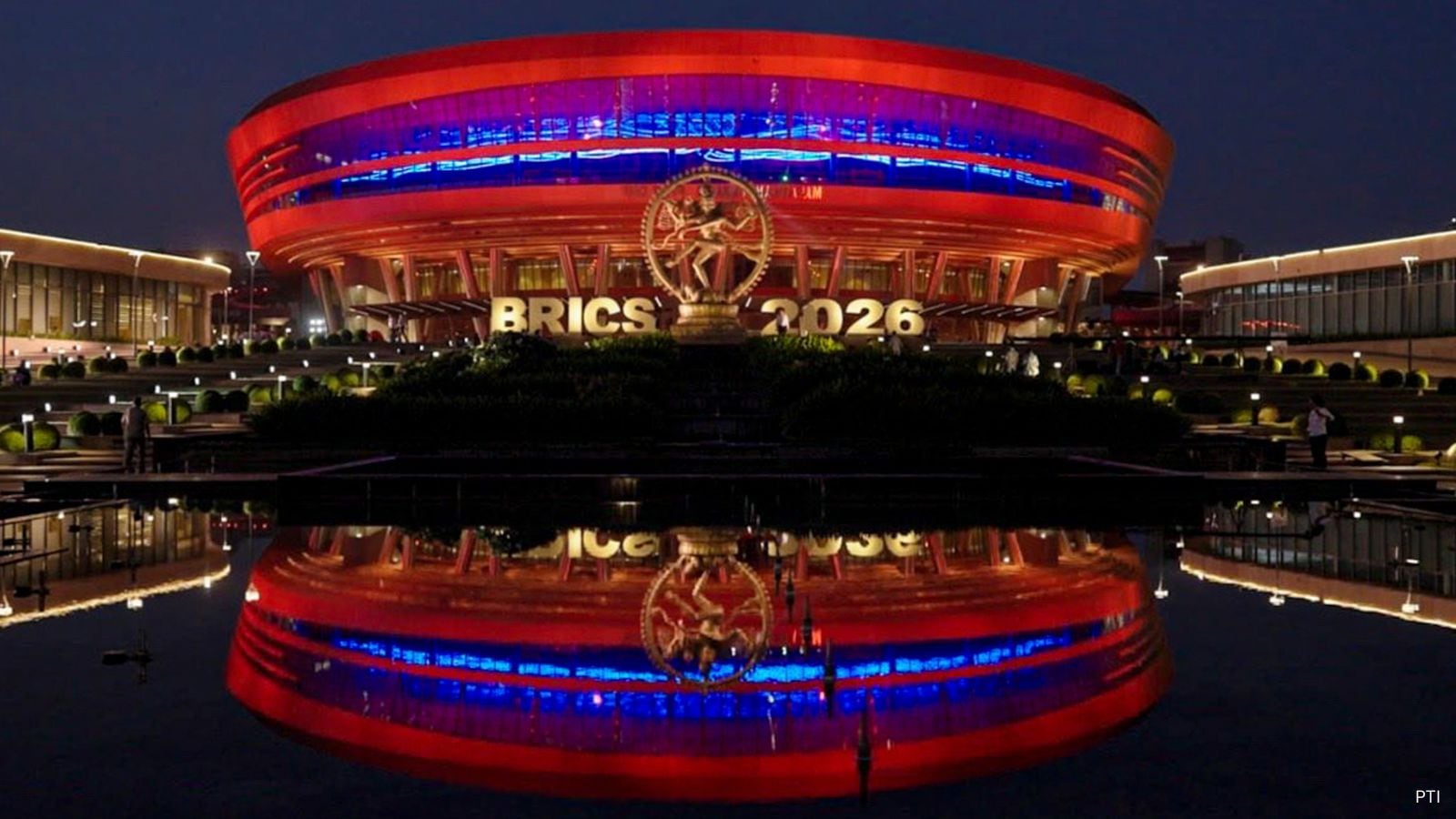
India hosts the 2026 BRICS summit in Delhi, with leaders including Russia's Vladimir Putin and China's Xi Jinping gathering at Bharat Mandapam for discussions on global issues like the Russia-Ukraine war, AI challenges, and trade policies. The state-of-the-art venue, opened in 2023, features halls for high-level meetings, business forums, and media coverage over two days.
On September 12, 2026, Prime Minister Narendra Modi addressed the 18th BRICS Summit in New Delhi, proposing that leaders develop 10 proposals for global governance reform into a BRICS Reform Roadmap. He emphasized transforming current power structures to ensure equal representation and responsiveness, focusing on areas like AI, cyberspace, and biotechnology.

On September 12, 2026, Prime Minister Narendra Modi hosted the BRICS Summit in New Delhi, where he held bilateral meetings with leaders from Ethiopia, Malaysia, Vietnam, and the UAE. The summit saw a warm moment between Modi, Vladimir Putin, and Xi Jinping, emphasizing dialogue and cooperation. India proposed a 10-point plan for global governance reform and adopted the New Delhi declaration amid tight security measures.

On September 12, 2026, Prime Minister Narendra Modi hosted the BRICS Summit in New Delhi, where he held bilateral meetings with leaders from Ethiopia, Malaysia, Vietnam, and the UAE. The summit saw a warm moment between Modi, Vladimir Putin, and Xi Jinping, emphasizing dialogue and cooperation. India proposed a 10-point plan for global governance reform and adopted the New Delhi declaration amid tight security measures.
Chinese President Xi Jinping landed in New Delhi for the 18th BRICS summit, overshadowed by wars and global trade issues. Joining him are leaders from India, Russia, and Iran. The two-day meeting will focus on conflicts, trade, and energy security. Xi’s visit marks a cautious thaw with India since their 2020 military clash; he is set to meet Indian Prime Minister Narendra Modi. Russian President Vladimir Putin and Iranian President Masoud Pezeshkian also attended, discussing navigation safety and strategic ties.

The 18th BRICS Summit, hosted by Indian Prime Minister Narendra Modi in New Delhi on September 12-13, brings together leaders from the bloc's 11 member countries and international organizations amid global conflicts. Discussions focus on economic resilience, innovation, cooperation, and sustainability, addressing issues like Western sanctions, the US-Israel war on Iran, and Russia’s war on Ukraine, despite internal differences among members.

Russian President Vladimir Putin revealed that Russia faces over 30,000 sanctions, more than double the total for all other countries combined. Speaking at the BRICS Business Forum in New Delhi on Friday, he criticized Western nations' economic coercion and competitive tactics. The US Senate recently passed a bill authorizing tariffs up to 100% on goods from countries like India that import Russian oil and gas. Despite sanctions, Putin noted Russia's success in expanding trade with "reliable partners" and highlighted its superior economic growth over the last three years compared to the global average.

On Friday, Prime Minister Narendra Modi and United Nations Secretary-General Antonio Guterres met on the sidelines of the BRICS Summit in New Delhi. They discussed reforming multilateral institutions like the UN Security Council, ongoing conflicts, freedom of navigation, sustainable development, AI, renewable energy, and global food security. Modi congratulated Guterres and wished him well for his tenure. India is campaigning to join the UN Security Council for 2028-29.

On Friday, Masoud Pezeshkian, Iranian President, met with Indian Prime Minister Narendra Modi in New Delhi on the sidelines of the BRICS Summit. They discussed cooperation in culture, technology, trade, science, and economy. Pezeshkian criticized the US and Israel for bullying Iran, vowing resistance against them. This was their second meeting in two weeks.

On Thursday, Assam Chief Minister Himanta Biswa Sarma praised India's BRICS chairmanship and the upcoming summit as a "unique achievement," criticizing the Congress party for questioning it. He stated that BRICS has a historic responsibility to promote global peace and prosperity amid current crises. Sarma accused Congress of feeling inferior due to its lack of similar achievements during its tenure, adding that such summits could have been hosted under previous Congress-led governments.

On Friday, Prime Minister Narendra Modi and Russian President Vladimir Putin met in New Delhi for bilateral talks ahead of the BRICS summit. They traveled together in Putin's armored Aurus Senat limousine to the INNOPROM exhibition at Bharat Mandapam. Modi gifted Putin a Russian translation of Thirukkural, aiming to strengthen people-to-people ties. The leaders discussed trade, defense, and regional conflicts during their wide-ranging discussions on India-Russia cooperation.

At the Brics summit in Delhi, leaders from 11 nations including India, China, Russia, Brazil, and South Africa will discuss various issues amid President Donald Trump's policies. Despite divisions over openly challenging Washington, they aim to strengthen financial cooperation and address global trade, while avoiding direct confrontation with the US. Key bilateral meetings include those between Xi Jinping, Vladimir Putin, and host Narendra Modi.

Abhijeet Dipke, founder of India's "cockroach" protests, gained celebrity status after posting on X about jobless youth being called cockroaches. His campaign led to the resignation of education minister Dharmendra Pradhan and raised questions about employment and education issues in just three months.

At the BRICS Business Forum in New Delhi, Vladimir Putin compared BRICS to G7, stating that BRICS contributes more than 40% of global GDP versus G7's 29%. He criticized Western competition and sanctions. Later, Narendra Modi highlighted BRICS' economic growth and population representation, emphasizing its role in innovation and trade.

On September 11, 2026, Prime Minister Narendra Modi highlighted India's efforts to reduce trade barriers and build economic bridges during the BRICS Business Forum in New Delhi. He noted BRICS countries' growing economic strength and established new cooperation networks under India’s presidency of BRICS. Russian President Vladimir Putin warned about competition from old powers taking "ugly forms" like military attacks, while Iranian President Masoud Pezeshkian called for increased trade in local currencies to address global financial dependency and security threats.

On September 11, 2026, M.K. Stalin, DMK president and former Tamil Nadu Chief Minister, expressed shock over 1,857 super-speciality medical seats lying vacant across India due to the Union government’s Director General of Health Services (DGHS) not reducing the qualifying percentile. Quoting a report from The Hindu, he urged Prime Minister Narendra Modi for immediate intervention after the Supreme Court directed the reduction in percentile in the Tamil Nadu Medical Officers Association case. Stalin called for the percentile to be reduced to zero and allowed states to independently reduce it for their in-service quota when seats remain vacant.

On September 10, 2026, Shivraj Singh Chouhan, Union Agriculture Minister, met with about 20 farmers’ organizations to discuss drafts of the Seeds Bill and Pesticides Management Bill. Mr. Chouhan emphasized the need for consensus-based policies and highlighted issues like fake seeds and substandard pesticides. The meeting included discussions on protecting farmers' rights and conserving traditional seeds. Atish Chandra, Union Agriculture Secretary, also attended. Farmers suggested over 18,000 ideas on the Seeds Bill, with no deadline set for finalizing the laws.

On September 10, 2026, Prime Minister Narendra Modi received a call from German Chancellor Friedrich Merz, reviewing the progress of the India-Germany Strategic Partnership marking their 75 years of diplomatic relations. They reaffirmed commitments to strengthen cooperation in trade, investment, clean energy, and other domains, agreeing to promote global peace and prosperity.

On September 10, 2026, S. Jaishankar met with Prince Rahim Aga Khan V, the 50th Imam of Ismaili Muslims, who began a six-day visit to India on September 9 following an invitation from Vice-President C.P. Radhakrishnan. They discussed the work of the Aga Khan Development Network (AKDN) in social development and heritage preservation and explored further opportunities. Prince Rahim also met President Droupadi Murmu, Union Home Minister Amit Shah, and Prime Minister Narendra Modi, who discussed India’s partnership with AKDN in agriculture and rural development. This is Prince Rahim's first visit to India since becoming Imam.

On September 11, 2026, Vladimir Putin arrived in New Delhi for the 18th BRICS Summit starting September 12. He will meet with Prime Minister Narendra Modi to discuss defense and other matters. Other attendees include Xi Jinping, Antonio Guterres, and leaders from Egypt, Ethiopia, and Indonesia. The summit addresses global crises in energy and agriculture due to wars in West Asia and Ukraine.

The 18th BRICS Summit in New Delhi on September 12-13, 2026, will see leaders including Russian President Vladimir Putin, Chinese President Xi Jinping, and others gather to discuss global issues. Security measures include deploying thousands of personnel and traffic restrictions. Prime Minister Narendra Modi expressed optimism about meaningful dialogue. Commuters face train cancellations and diversions; Delhi Metro services start earlier on Sunday for students.

Russian President Vladimir Putin arrived in New Delhi for the BRICS summit, shadowed by conflicts in Iran and Ukraine. He was greeted at Palam Air Force Station by India’s Minister of State for External Affairs Kirti Vardhan Singh. The summit includes talks between Putin, Iranian President Masoud Pezeshkian, and Indian Prime Minister Narendra Modi, as well as meetings with Chinese President Xi Jinping on the sidelines. BRICS members aim to address economic challenges amid differing stances on Middle East conflicts. This marks Xi's first visit to India since 2019 and highlights tensions within the expanded group over Iran’s war.

Posters of Prime Minister Narendra Modi welcome world leaders in New Delhi, where heavy security and traffic restrictions are in place for the BRICS summit starting September 11. Russian President Vladimir Putin and Iranian President Masoud Pezeshkian have arrived to discuss divisions within the bloc over wars and economic cooperation. Chinese President Xi Jinping is also expected to meet with PM Modi after six years, as ties between India and China warm again. The summit includes leaders from Brazil, Russia, India, China, South Africa, Iran, Saudi Arabia, and others, focusing on global governance and multilateralism.

The BRICS summit, including its expanded members, will take place in New Delhi on September 12 and 13, 2026. Attendees include Russian President Vladimir Putin, Chinese leader Xi Jinping, and numerous other heads of state and ministers. The theme is "Building for Resilience, Innovation, Cooperation, and Sustainability," focusing on inclusive growth and practical cooperation. India, as chair, aims to strengthen supply chains, enhance cross-border payments using national currencies, and promote sustainable development.

Russian President Vladimir Putin is set to arrive in Delhi on September 11, 2026, for the 18th BRICS summit. He will meet Indian Prime Minister Narendra Modi and discuss defense issues. The summit, addressing global energy and agriculture crises due to conflicts in West Asia and Ukraine, includes leaders from China, Egypt, Ethiopia, Indonesia, and Iran. UN Secretary-General Antonio Guterres and other multilateral organization heads are also attending.
